A Small Flock With a Bigger Story
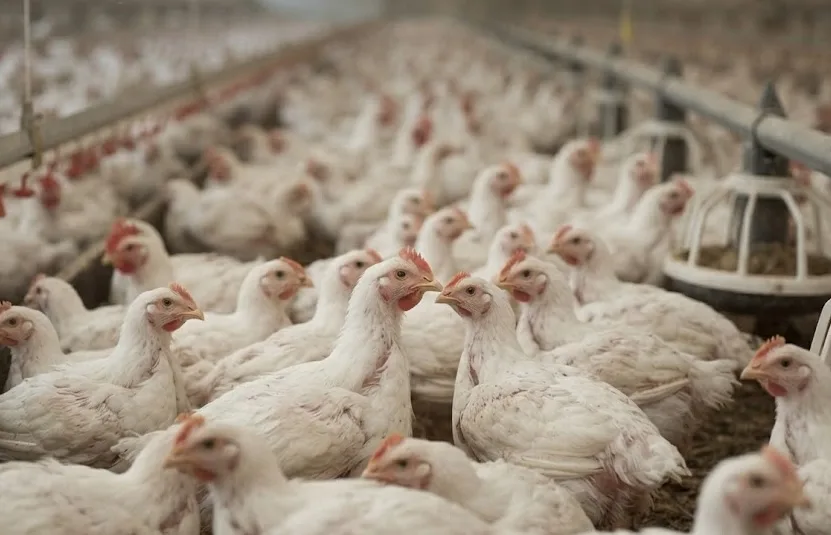
GENERAL SANTOS CITY - What makes the Apopong visit interesting is the story behind the farm itself. According to DA-SAAD, Lorañas Happy Chicken began in 2016 with only around 30 to 50 chickens, when owner Oliver Mari Loraña was still learning the industry and exploring native-chicken production as a business opportunity. The enterprise has since grown to about 3,000 head, giving visiting farmers a real example of how a modest starting point can develop through experience, attention to production practices, and business discipline. Rather than learning only from presentations, participants could observe an operating enterprise and ask questions grounded in the realities of daily farm work.
The Lessons Went Beyond Raising Chickens
The field tour covered the less visible decisions that can determine whether a poultry project remains manageable as it grows. Participants from the Kiamba Tri-People Halal Livestock Growers Association and Community Associate Team Rescue Oneness Public Assistance learned about routine husbandry, flock uniformity, genetics, feeding, and different types of feed used in production. They also discussed production costs, possible returns, and the importance of understanding the numbers behind a livestock enterprise. DA-SAAD’s Sarangani program records list both associations under 2026 free-range chicken production projects, making the Apopong visit particularly relevant to farmers who are developing poultry activities of their own.
Apopong Becomes a Place for Farmer-to-Farmer Learning
There is something practical about seeing agricultural knowledge in action rather than receiving it only on paper. During the visit, Loraña demonstrated everyday farm practices while sharing lessons from his own experience, including the need for passion, focus, careful management, and awareness of market conditions. His enterprise is also described by DA-SAAD as TESDA-accredited and CDA-accredited, adding another dimension to the farm’s role as a place where visitors can examine both production and enterprise development. For General Santos City, the activity offers a quieter but meaningful picture of local agriculture: a farm in Apopong serving as a learning stop where neighboring communities can exchange ideas and take useful lessons home.