


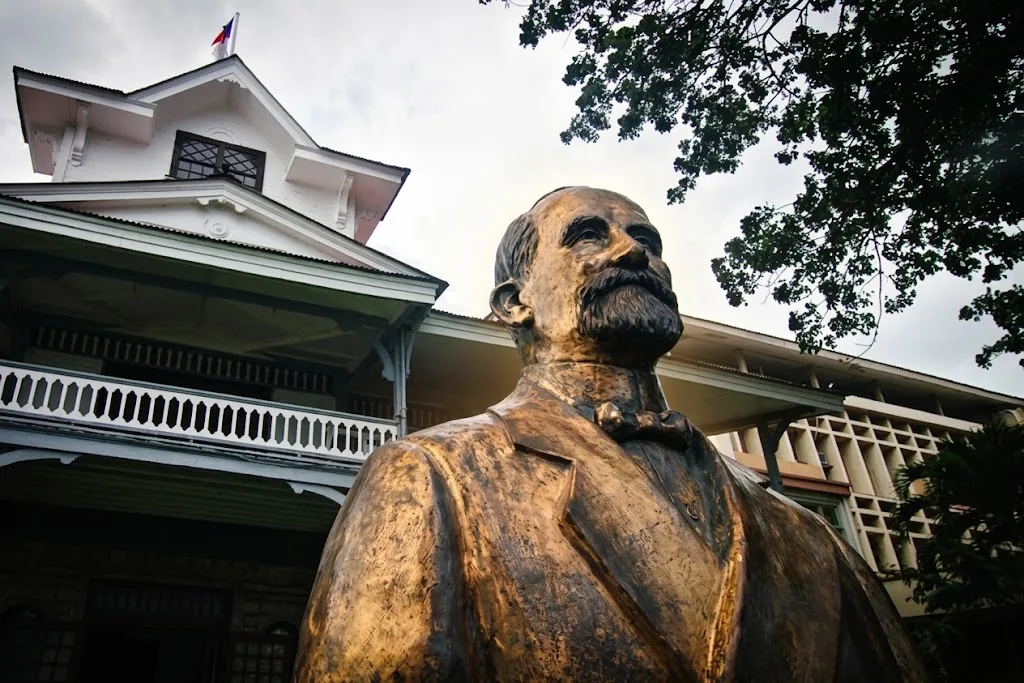
Dumaguete is known for its literary and cultural heritage, but another part of the city’s story can be discovered through its archaeological and ethnological collections. Located inside Silliman University, the Anthropology Museum offers visitors an opportunity to explore artifacts and cultural materials connected to communities across the Philippines.
Housed on the second floor of Hibbard Hall, the museum preserves collections that provide a glimpse into the country’s archaeological past and diverse indigenous heritage.
A Museum Rooted in Dumaguete’s History
The Silliman University Anthropology Museum was established in 1970 by Dr. Hubert I. Reynolds, a former Anthropology professor at Silliman University. Its collection originated from the Cultural Research Center, which began in 1964. The museum was previously housed in Silliman Hall for more than four decades before moving to its current location at Hibbard Hall in 2015. Today, it continues to serve as an educational facility where visitors can learn more about Philippine culture, archaeology, and anthropology.
Discover Artifacts Dating Back Centuries
One of the museum’s notable features is its collection of archaeological and ethnological artifacts. Some of the archaeological materials date as far back as 500–200 B.C., offering visitors a tangible connection to periods of Philippine history that existed long before the modern city of Dumaguete developed. The collection includes archaeological materials recovered from different parts of Negros and Mindanao, allowing visitors to explore aspects of the region’s earlier communities and material culture.
A Look at Indigenous Heritage
Beyond archaeology, the museum also features ethnological items collected from various indigenous groups across Luzon, the Visayas, and Mindanao. These collections provide an opportunity to learn about the different traditions, practices, and ways of life represented across the Philippine archipelago. For travelers interested in culture and heritage, the museum offers a more educational side of Dumaguete beyond its well-known literary attractions.
