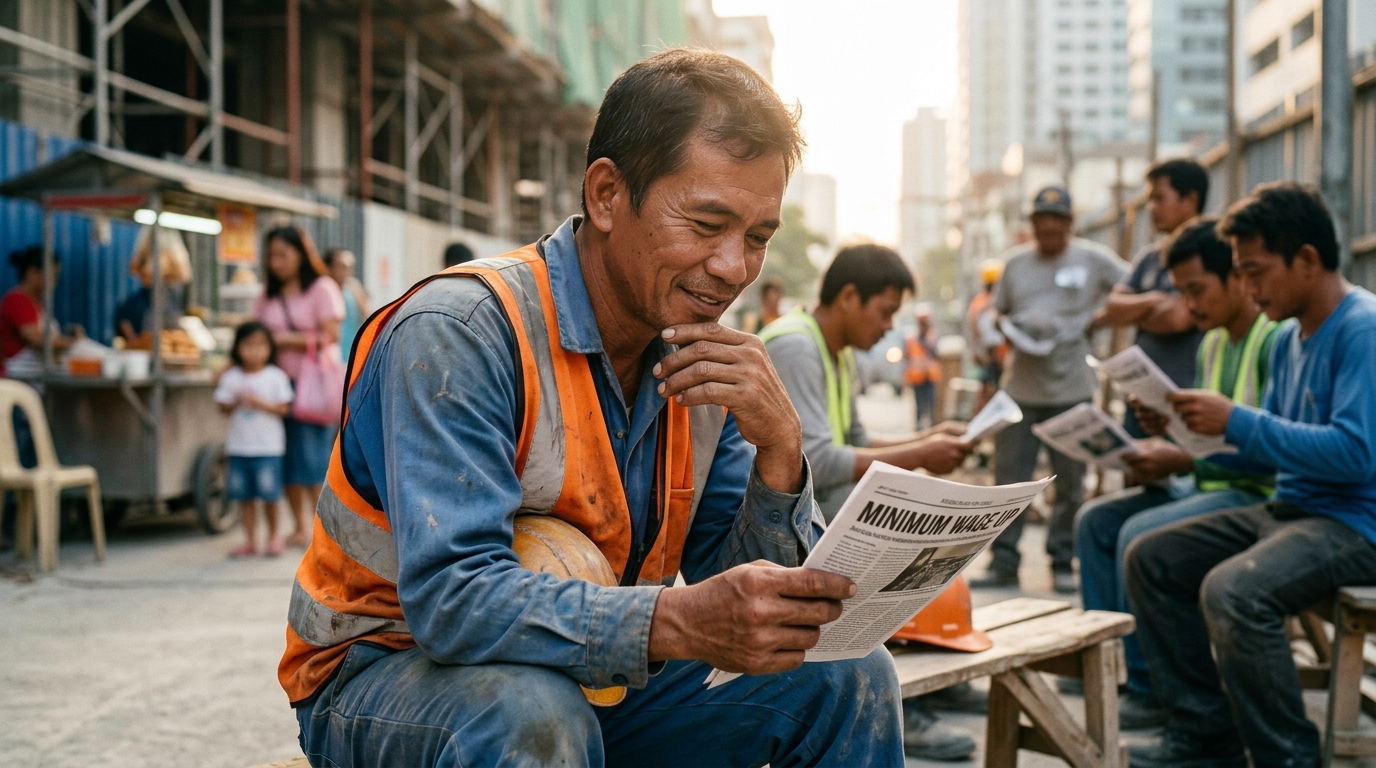
The Philippines has greenlit a record 12% increase in the minimum wage for workers within the National Capital Region (NCR), a move set to significantly impact the daily lives and purchasing power of countless Filipino employees. This substantial adjustment aims to provide much-needed relief amidst persistent inflation and the rising cost of living in the bustling capital city.
Splitting the Daily Base Readjustment Across Dual-Stage Tranches
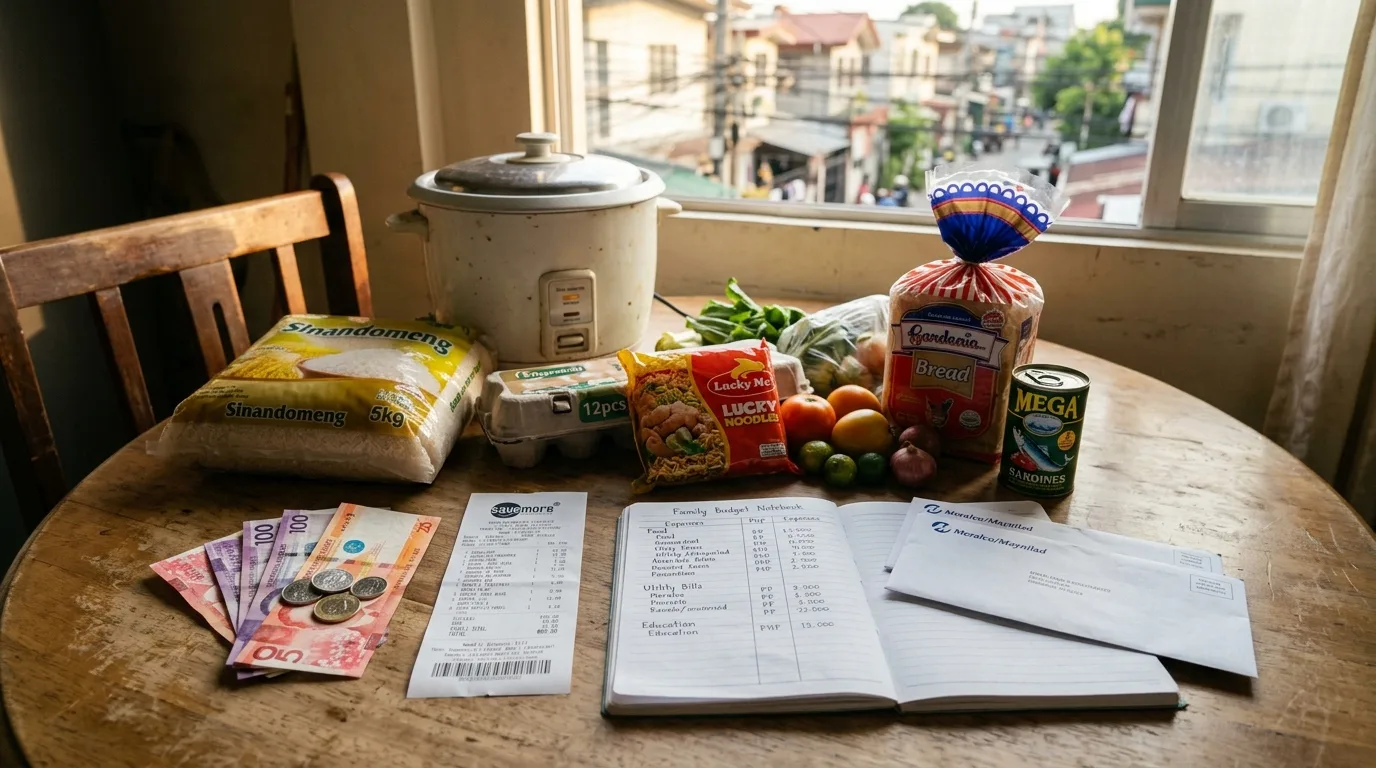
The approved hike, while specific to Manila, resonates deeply with the entire Filipino community, both at home and abroad. For minimum wage earners in the NCR, this translates into a tangible boost in their daily income, offering a potential lifeline against the economic pressures that have long challenged working-class families. This development is particularly crucial for households where every peso counts towards basic necessities, education, and healthcare.
Reinvigorating Household Purchasing Power and Enhancing Real Wages
This record increase is more than just a number; it's a critical response to the economic realities faced by many Filipinos. Inflationary pressures have eroded the value of wages, making it increasingly difficult for families to make ends meet. A 12% increase directly addresses this erosion, offering a measure of financial stability and potentially stimulating local consumption. For the Philippine economy, a stronger purchasing power among its working class can lead to broader economic activity. The decision also highlights the government's recognition of the struggles faced by its labor force, a sentiment that can foster greater confidence among workers.
Calibrating Local Compensation Metrics and Transnational Family Remittance Demands
For Filipinos working in Manila, this wage hike means improved capacity to manage household expenses and potentially reduce reliance on informal loans. For the millions of Overseas Filipino Workers (OFWs) sending remittances home, this development offers a glimmer of hope that their families in the Philippines might face slightly less financial strain, allowing their hard-earned money to go further. While the immediate impact is on Manila-based employees, such a significant increase often sets a precedent or influences wage discussions in other regions of the Philippines. It underscores a continuous effort to improve labor conditions and quality of life for all Filipino people, a factor that could subtly influence future decisions regarding local vs. overseas employment opportunities.