


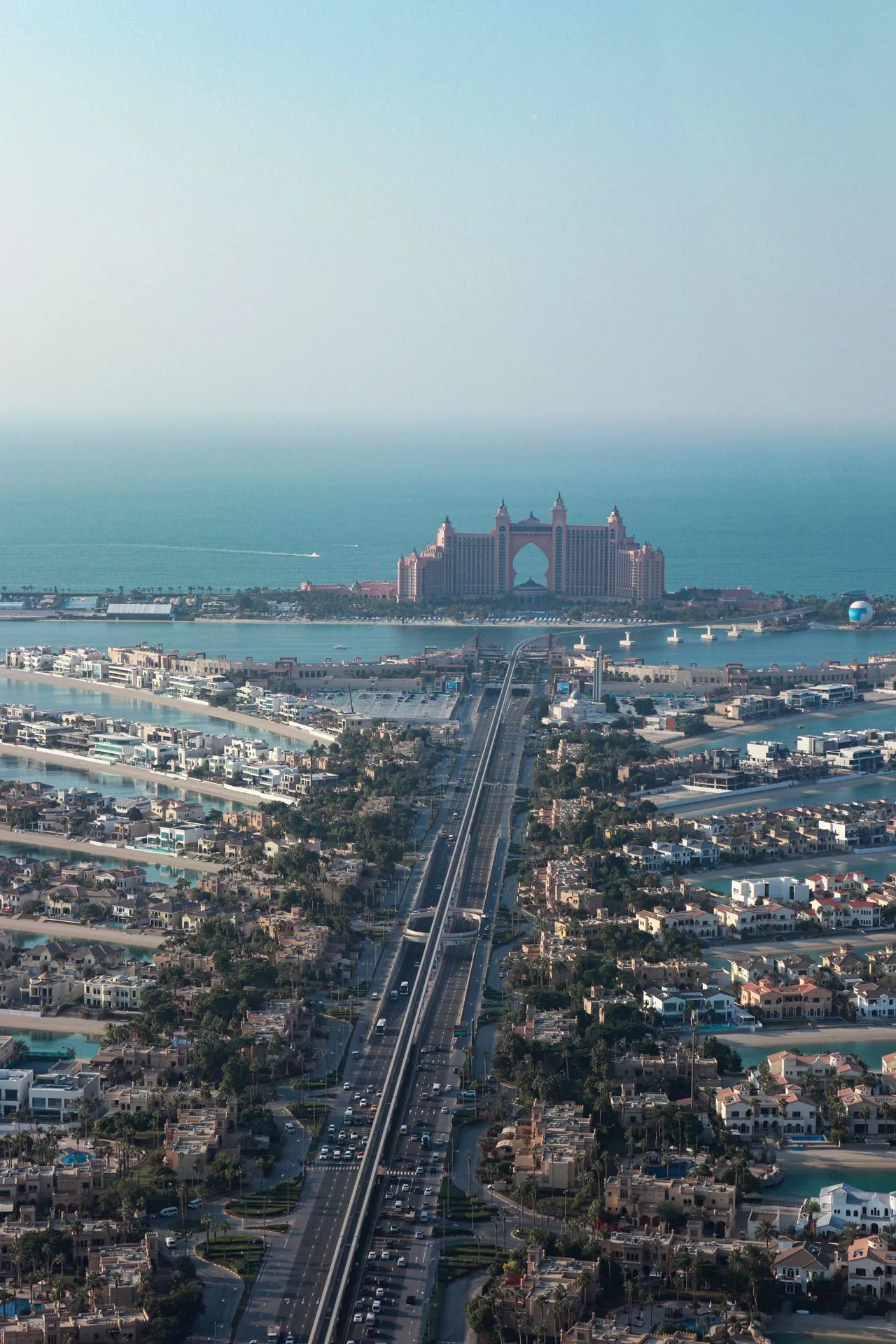
DUBAI — The Gulf Cooperation Council (GCC) has achieved a monumental milestone, recording a 9.7 percent surge in tourism revenue to $131.9 billion in 2025. The region welcomed 75.7 million international tourists, marking a 4.9 percent increase from the previous year, according to recent data.
A Record-Breaking Year for Gulf Tourism
This impressive financial growth underscores the region's successful pivot toward economic diversification beyond oil. The sector's expansion directly stimulates investment, job creation, and non-oil economic activity, cementing tourism as a vital pillar of the Gulf's long-term financial stability.
The data, released by the Statistical Centre for the Arab Countries of the Gulf, paints a picture of a region firing on all cylinders. By diversifying their economies, GCC nations are no longer solely reliant on traditional sectors, creating a dynamic and resilient financial landscape for the future.
Expanding Hospitality and Regional Travel
To accommodate the rising influx of visitors, the GCC hospitality sector expanded significantly. The number of hotel establishments grew by 4.8 percent to reach 12,400 properties, offering diverse accommodations that perfectly cater to the evolving demands of international travelers and business executives alike.
Regional connectivity is also flourishing. Tourist movements between GCC countries increased by 3.6 percent to 20.1 million. This upward trend highlights the success of ongoing efforts to encourage intra-GCC tourism and promote the rich cultural, heritage, and entertainment attractions found across the Arabian Peninsula.
The Digital Transformation Push
Beyond traditional infrastructure, digital readiness has emerged as a core component of the region's tourism strategy. A recent bulletin titled "Gulf Tourism in the Era of Smart Transformation" highlighted high scores in the Mobile Application Development and Online Government Services indices.
Enhanced digital infrastructure simplifies travel procedures, enabling visitors to plan journeys and access essential services seamlessly before, during, and after their trips. This robust digital ecosystem significantly improves the overall efficiency and competitiveness of the Gulf's tourism offerings on the global stage.
AI and Seamless Travel Integration
Artificial intelligence and data analytics are increasingly shaping the future of Gulf tourism. By leveraging these advanced technologies, providers can better anticipate demand, understand visitor preferences, and deliver highly personalized services that enhance guest satisfaction and optimize destination management.
Furthermore, the GCC is prioritizing closer digital integration among member states. Developing shared platforms connecting bookings, transport, and events will create a more seamless regional travel experience, ultimately driving further growth and showcasing the Gulf as a unified, world-class tourist destination.
