More Than a Pink Glow: Turning Awareness Into Action
GENERAL SANTOS CITY - Pink lighting offers a highly visible way to bring a serious health concern into everyday public conversation. The October 8 ceremony drew attention to the need for greater awareness of breast cancer and the value of seeking medical advice when unusual breast changes appear. According to the World Health Organization (WHO), early diagnosis and timely access to appropriate treatment are essential to improving breast cancer outcomes. Awareness activities can help make these messages more familiar to residents, encouraging people to discuss concerns and seek professional guidance rather than ignore possible warning signs. In this way, a public display becomes an opportunity to share information that could influence someone's decision to seek care.
A Candle for Every Story That Still Matters
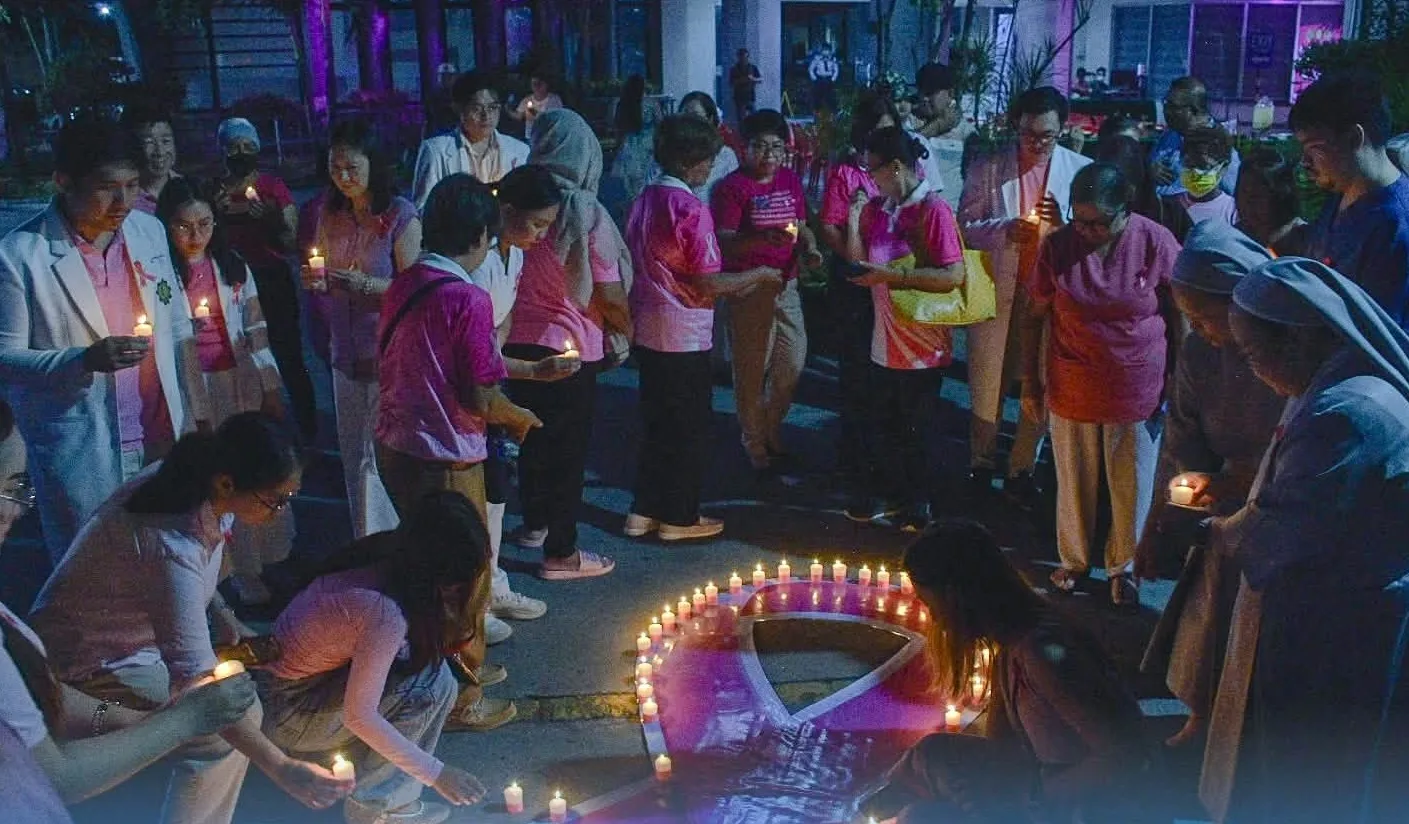
The ceremony also featured “A Light that Lives On,” a candle-lighting tribute remembering loved ones who lost their lives to breast cancer. Each flame represented a personal story, a cherished memory, and the continuing impact of loss on families and friends. The gathering also recognized people living with cancer and celebrated survivors whose experiences form an important part of the wider conversation about the disease. Such moments give public awareness campaigns a human dimension, acknowledging that cancer affects not only patients but also caregivers and the people who stand beside them. By making space for remembrance alongside hope, the tribute highlighted why compassionate support matters throughout the cancer journey.
Bringing Breast Health Into Everyday Conversations
The pink lighting also provided a chance to reinforce a message that matters long after October ends: breast health deserves attention throughout the year. The WHO advises people to be aware of changes such as a new lump, an unusual change in breast shape or skin, or abnormal nipple discharge, and to seek medical evaluation if these occur. Not every breast change means cancer, but having unusual symptoms checked promptly can help people receive an appropriate assessment. Community awareness is most useful when it leads to informed decisions and encourages people to explore available screening, diagnostic, and treatment services with qualified healthcare professionals. Through initiatives that combine public visibility with practical health information, General Santos City can continue building conversations around early detection, understanding, and support for everyone affected by cancer.