


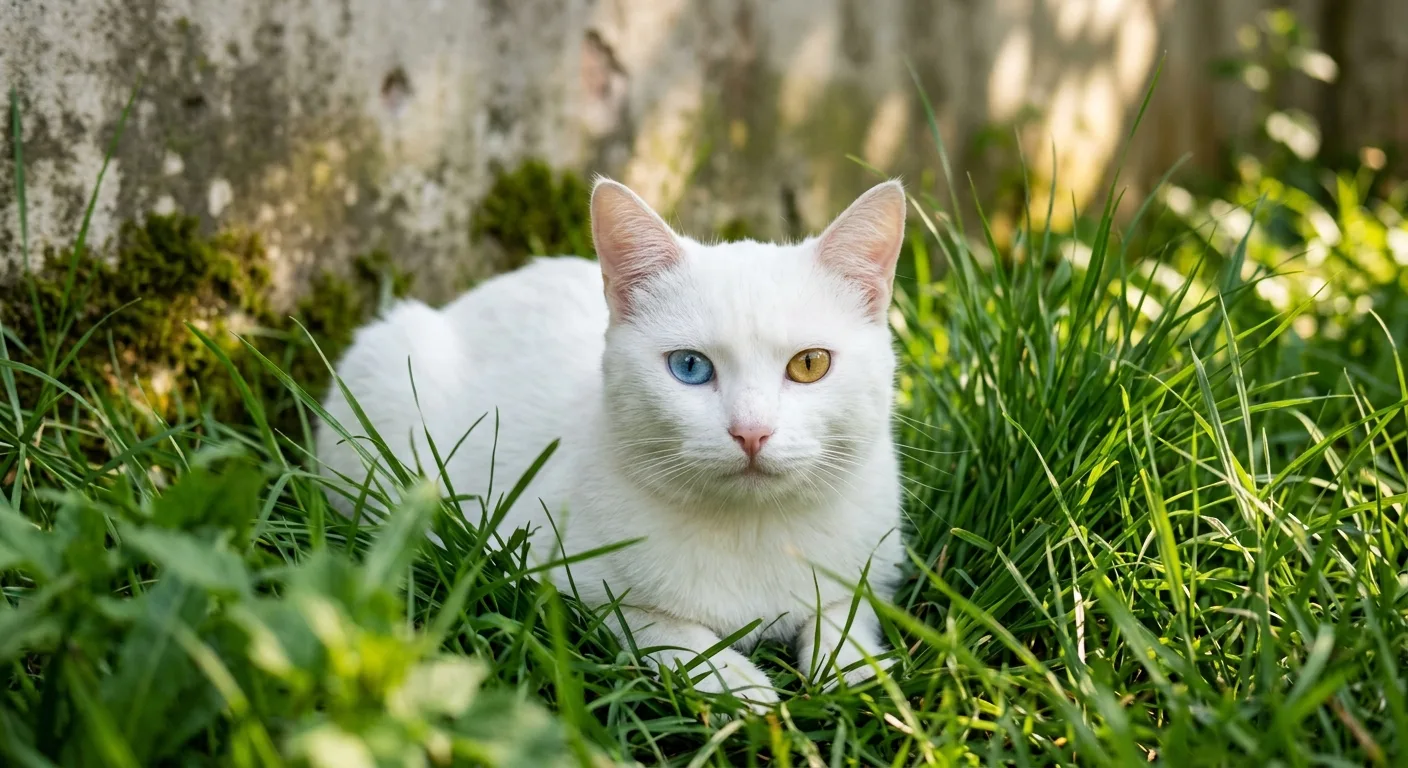
PHILIPPINES — Every October 16, animal advocates worldwide unite for Global Cat Day, a movement launched by Alley Cat Allies in 2001 to champion the welfare of free-roaming felines. In the Philippines, the observance carries special weight, as community cats—affectionately known as pusang gala—remain woven into the daily fabric of neighborhoods nationwide.
A Familiar Presence in Filipino Life
Walk down nearly any street in the country, and a cat is bound to cross your path. They lounge atop sari-sari store roofs, weave between jeepneys near wet markets, and doze on parked motorcycles. These resilient survivors have adapted remarkably to human environments, often earning their keep as natural pest controllers that keep rodent populations in check.
Many Filipino families leave out bowls of leftover rice and fish for these feline regulars. Neighborhood vendors affectionately name the cats that frequent their stalls. Yet despite their familiar presence, community cats occupy a precarious gray area, dependent on human spaces yet vulnerable to neglect and cruelty.
The Hidden Struggles on the Streets
Life for a free-roaming cat in the Philippines is far from easy. Without intervention, cats reproduce exponentially, with a single unspayed female capable of producing hundreds of descendants within a few years. This leads to overcrowded colonies, intense competition for food, and widespread malnutrition among strays.
The country's harsh tropical climate adds another layer of danger. Typhoons, monsoon rains, and sweltering heatwaves leave community cats scrambling for safe shelter, exposing them to illness and injury. Fast-moving traffic, stray dog packs, and construction sites pose constant physical threats.
Human cruelty remains a painful reality. Misconceptions about feral cats carrying diseases or causing nuisances frequently trigger cruel responses from communities lacking education on humane management. Poisoning and intentional abandonment continue to threaten these animals.
Trap-Neuter-Return Offers a Humane Solution
For decades, catch-and-kill methods were the default response to feral cat overpopulation. Science has proven this approach ineffective. When cats are removed from an area, the vacuum effect occurs: surviving cats from neighboring territories move in to exploit available food sources, and populations quickly rebound.
Trap-Neuter-Return has emerged as the gold standard for humane management. Volunteers humanely trap community cats, bring them to licensed veterinarians for spaying or neutering, and return them to their original territories after recovery. The cats also receive rabies vaccinations and an ear-tip—a universal marker identifying them as sterilized.
TNR halts the cycle of kitten births and eliminates nuisance behaviors like howling and territorial spraying. Neutered cats become calmer, healthier neighbors. Grassroots organizations across Philippine cities have championed this approach, though scaling efforts requires broader community and government support.
Practical Steps for Compassionate Citizens
Individuals can make meaningful differences without operating a shelter. Setting up consistent feeding routines with fresh water helps stabilize colonies. Removing leftover food promptly prevents pests and keeps neighborhoods clean.
Supporting local welfare groups like the Philippine Animal Welfare Society or CARA Welfare Philippines amplifies impact. Donations and volunteer time directly fund sterilization procedures and clinic days. Building simple weatherproof shelters from recycled plastic bins and old towels provides life-saving protection during storms.
Education remains crucial. Discussing TNR benefits with neighbors and barangay officials reduces misinformation and builds support. The Animal Welfare Act, as amended, criminalizes cruelty and abandonment, empowering citizens to report abuse safely.
A Reflection of Filipino Compassion
Global Cat Day reminds us that compassion knows no boundaries. In a culture where bayanihan spirit defines community, extending care to street companions reflects the best of Filipino values. Choosing education over eradication and sterilization over cruelty transforms neighborhoods into safe havens where humans and cats coexist peacefully.
