


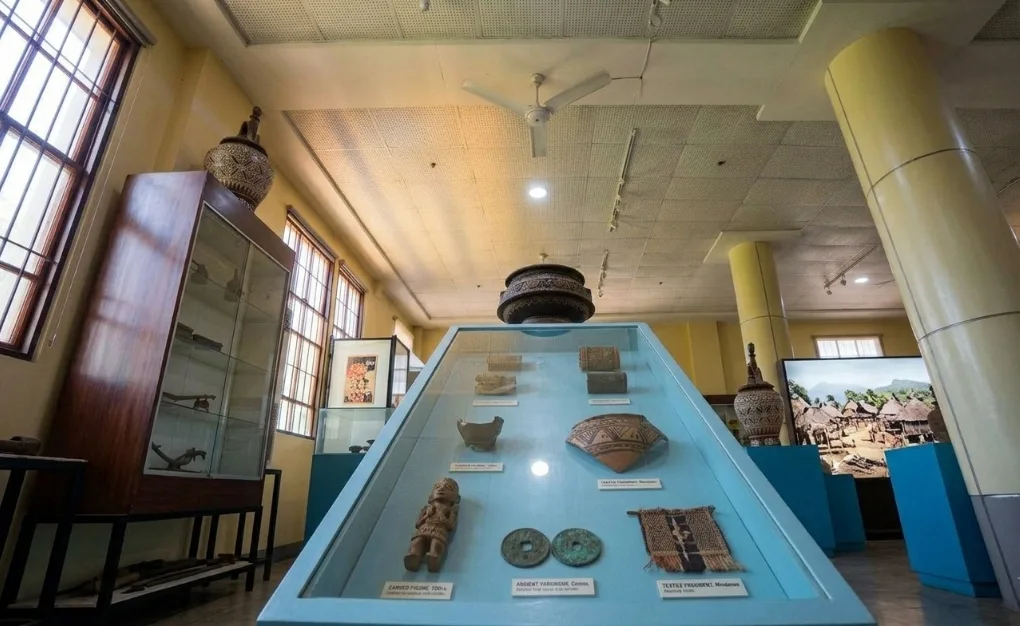
Dumaguete is often celebrated for its relaxed atmosphere, seaside views, universities, and nearby natural attractions. Yet beyond the destinations commonly included in travel itineraries is a deeper layer of history that can be discovered through the city's old buildings, streets, institutions, and cultural spaces. Exploring Dumaguete's heritage offers travelers a different perspective of the city—one that goes beyond sightseeing and introduces the stories, traditions, and communities that helped shape its identity.
Walking Through Dumaguete's Historic Core
One of the easiest ways to discover Dumaguete's heritage is simply by walking through its older areas. Historic structures stand alongside newer establishments, creating a visible contrast between the city's past and present. The streets provide opportunities to observe architectural details, older buildings, public spaces, and familiar landmarks that have remained part of local life through generations.
The City's Spanish-Era Legacy
Dumaguete's history is closely connected to the Spanish colonial period, particularly through the arrival and development of religious communities in the area. Some of the city's oldest structures and institutions reflect this period of development. For visitors interested in history, these places provide a glimpse into how Dumaguete developed from a coastal settlement into an important center in Negros Oriental.
Heritage Through Architecture
Architecture can reveal stories that are not always found in guidebooks. Older structures in Dumaguete demonstrate changing building styles, materials, and influences across different periods. Looking closely at doors, windows, facades, stonework, and surrounding spaces can help travelers appreciate how the city's built environment has evolved.
