


Start With a Family Earthquake Plan
BOHOL - The best time to discuss what to do during an earthquake is before the ground begins shaking. Families can identify safer areas inside the home, establish an outdoor meeting place, and make sure everyone knows how to contact one another if they become separated. Children should also understand simple earthquake safety rather than being left to figure things out during an emergency. Keep important contact numbers written somewhere accessible in case mobile phones or internet services become unavailable. Families living in areas vulnerable to landslides, falling debris, or other earthquake-related hazards should also know their community’s evacuation routes and designated safe areas. A few minutes spent making a plan can make a frightening situation easier to manage.
Make the Home Safer Before the Shaking Starts
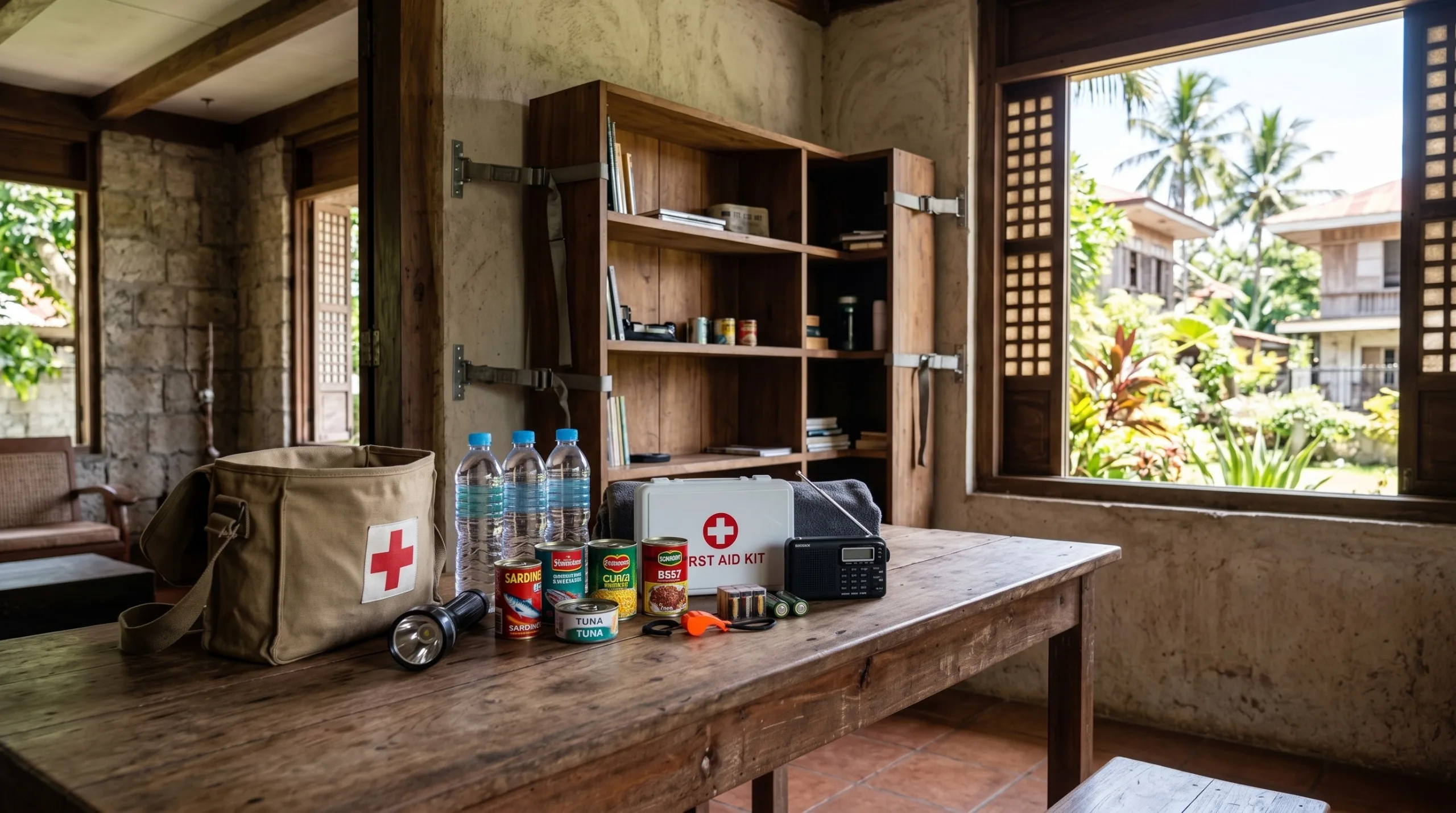
Earthquake preparedness begins inside the house. Heavy cabinets, shelves, televisions, mirrors, and other objects that could fall should be secured properly, particularly when they are positioned above beds, sofas, or frequently used areas. Families can check for damaged electrical wiring, gas connections, walls, roofs, and other potential hazards and have serious problems inspected by qualified professionals. Emergency supplies should also be kept somewhere that family members can easily reach. A basic emergency kit can include drinking water, ready-to-eat food, a flashlight, batteries, a first-aid kit, necessary medicines, hygiene supplies, sturdy footwear, important documents, and a whistle. Preparing these items ahead of time is far easier than searching for them after a major earthquake.
Know What to Do When the Ground Moves
When an earthquake begins, remember the basic action: Drop, Cover, and Hold On. Get down to prevent being knocked over, take cover beneath a sturdy table or desk if available, and hold on until the shaking stops. Stay away from windows, glass, tall furniture, and objects that could fall. If you are outdoors, move away from buildings, power lines, trees, and other structures that could collapse or shed debris. If you are driving, pull over in a safe location away from bridges, overpasses, utility lines, and buildings, then remain inside the vehicle until the shaking stops. Afterward, expect possible aftershocks and avoid entering damaged structures until authorities or qualified professionals determine that they are safe.
Remember the Past, Prepare for the Future
The 13th anniversary of Bohol’s 2013 earthquake brought back memories of families who lost loved ones and communities that faced enormous destruction. The commemoration also highlighted a lesson that remains relevant today: disasters can reveal both vulnerability and resilience. Bohol rebuilt homes, infrastructure, churches, and communities in the years that followed, but preparedness remains an ongoing responsibility. Residents can honor the lessons of October 15 not only by remembering the lives affected but also by strengthening their own readiness. An earthquake may not give anyone time to prepare—but families can prepare long before the shaking begins.
