


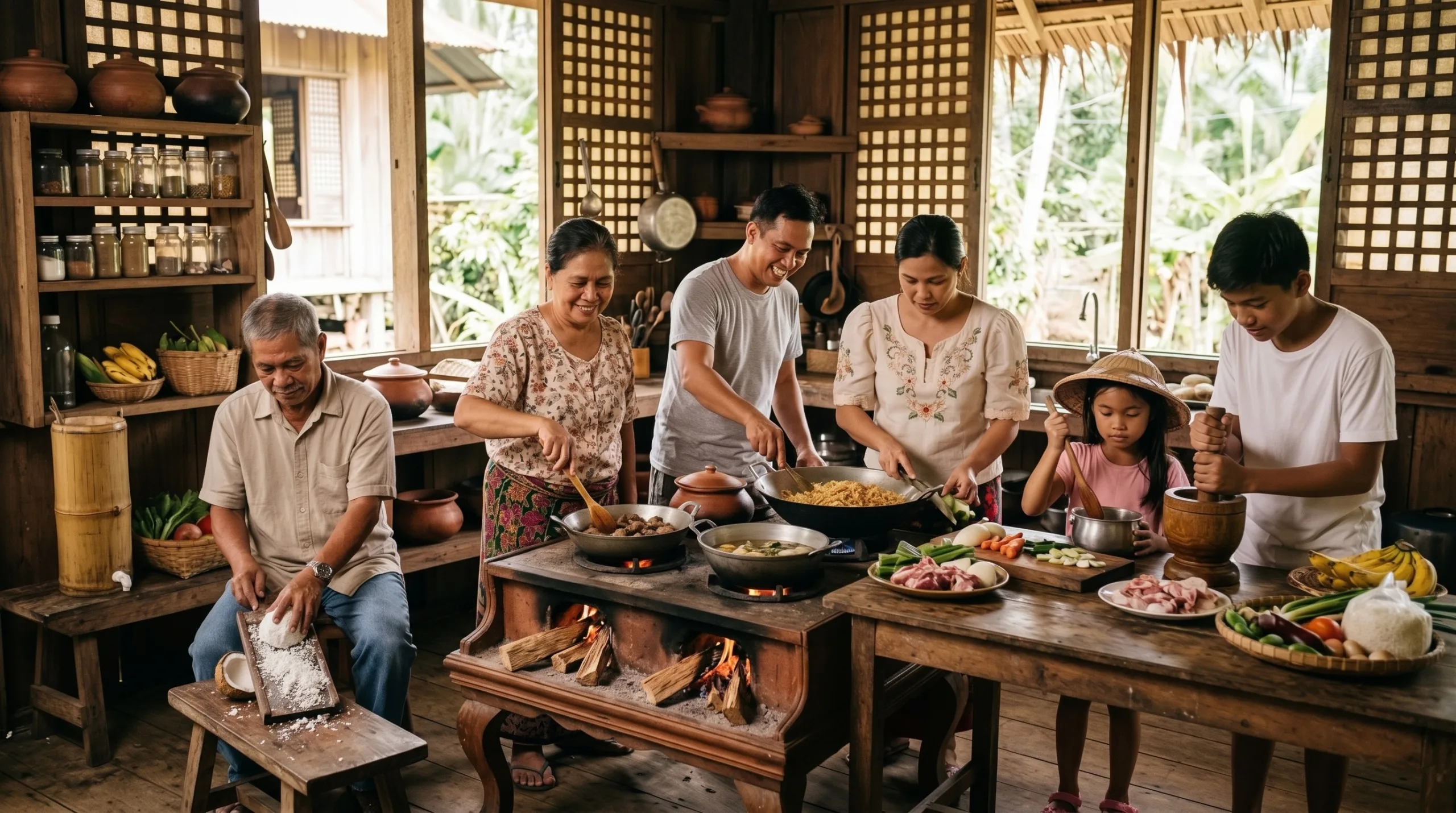
Recipes Can Tell Stories Beyond Ingredients
BOHOL - The ingredients written on a recipe card can reveal something about the place and time when a dish was created. Locally available seafood, root crops, coconut, rice, vegetables, and other ingredients can show how families used what their surroundings provided. Even the way a recipe is written can carry history, especially when measurements are based on familiar household objects or instructions passed down verbally. These small details can help younger family members understand how previous generations cooked, celebrated, and shared food.
Food Keeps Family Memories Alive
Many recipes are connected to specific people and moments. A grandmother’s dish may be prepared every Christmas, while another recipe may only appear during a town fiesta or family reunion. Cooking the same food years later can bring back memories of relatives, old homes, and gatherings that are no longer possible. Recording the story behind a recipe—who created it, where it came from, when the family usually prepares it, and how it has changed—can preserve these memories alongside the dish itself.
From Family Kitchens to Local Heritage
Family recipes can also contribute to the wider story of Boholano food culture. When families document traditional dishes and share their stories responsibly, they help keep local culinary knowledge from disappearing as cooking habits change. Old recipe notebooks, photographs, interviews with older relatives, and even simple recordings of cooking techniques can become valuable family archives. A recipe may begin in one kitchen, but its story can become part of a much bigger heritage. By preserving the food, memories, and traditions passed from one generation to another, Boholano families can help keep pieces of local history alive through every meal.
