Helping Drivers Manage Rising Operating Costs
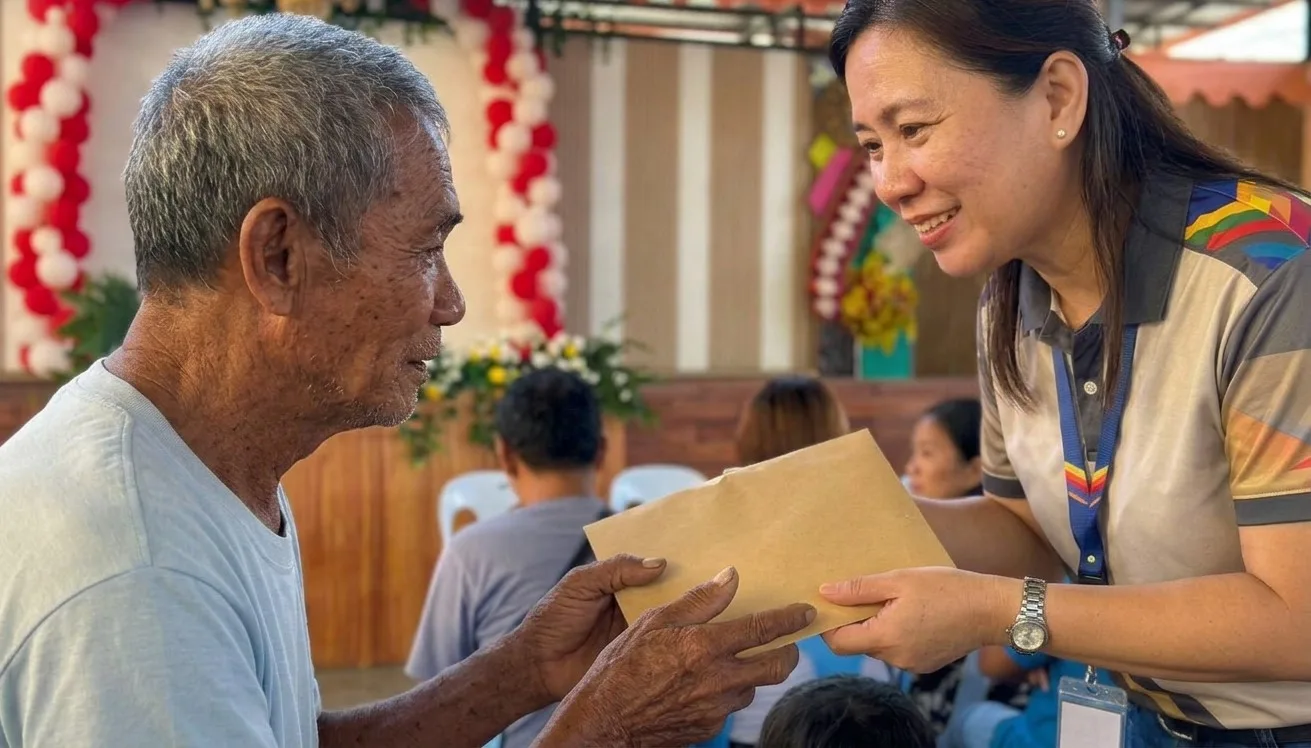
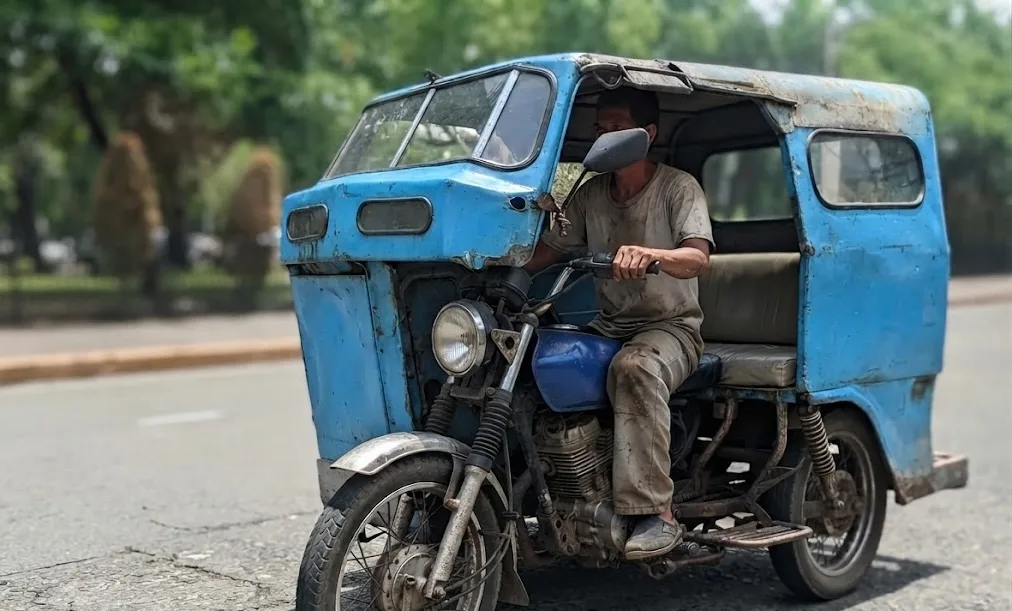
GENERAL SANTOS CITY - Tricycle drivers depend on affordable fuel to keep their vehicles on the road and provide daily transport services across the city. As global fuel prices placed additional financial pressure on operators, the General Santos City Government launched a fuel subsidy program for eligible tricycle franchise holders. The one-time assistance aims to reduce the immediate burden of higher operating expenses while allowing drivers to continue serving their regular routes. Although temporary in nature, the program reflects how local governments can respond to economic challenges that directly affect essential transportation providers and the communities they serve.
Supporting Everyday Mobility Across Neighborhoods
For many residents, tricycles remain one of the most convenient ways to travel short distances, particularly within residential areas where larger public utility vehicles may not operate. Keeping this mode of transportation available benefits workers commuting to their jobs, students attending school, and families accessing markets, clinics, and other essential destinations. By providing financial assistance to qualified operators, the city helps maintain transportation services that many households rely on daily. Stable local transport contributes to economic activity by allowing people and goods to move efficiently throughout General Santos City.
A Local Response to Global Economic Pressures
Fuel prices are influenced by international events beyond the control of local governments, yet cities can still implement measures that lessen their impact on residents. General Santos City's fuel subsidy initiative illustrates one approach to providing targeted assistance while promoting transparency in the distribution of public funds. Rather than solving long-term fuel price volatility, the program offers short-term relief that helps drivers continue operating during challenging periods. Such interventions demonstrate how local policies can support community resilience by addressing practical concerns that affect everyday life and economic activity.