


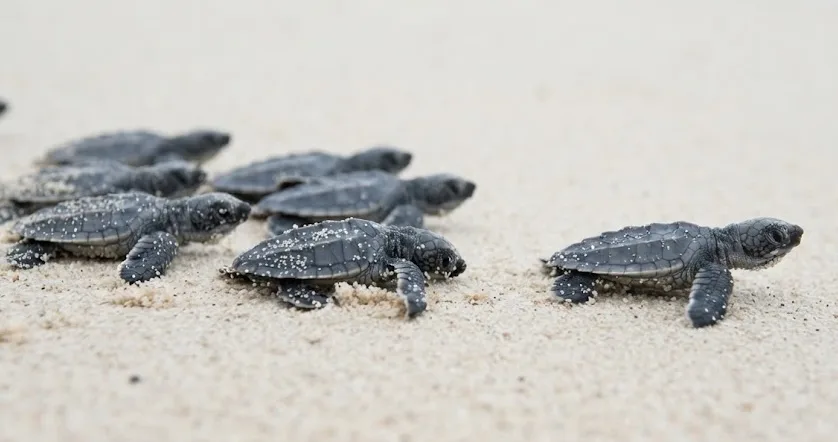
Protecting One of the Ocean’s Oldest Travelers
GENERAL SANTOS CITY - Sea turtles have lived in the world's oceans for millions of years, yet they continue to face challenges from habitat loss, pollution, and accidental capture. Conservation programs supported by DENR Region XII focus on protecting nesting areas, responding to stranded marine wildlife, and raising public awareness about the importance of preserving these protected species. Community volunteers, fisherfolk, and environmental organizations also play valuable roles by reporting turtle sightings and helping ensure that marine wildlife can safely return to their natural habitats. These combined efforts contribute to healthier coastal ecosystems that support diverse marine life.
Coastal Communities as Conservation Partners
Marine conservation becomes more effective when local communities are actively involved. Environmental education campaigns encourage residents, students, and fishing communities to understand how healthy coastal ecosystems benefit both biodiversity and local livelihoods. Activities such as coastal cleanups, habitat monitoring, and wildlife awareness programs strengthen public participation while reducing environmental pressures on sensitive marine habitats. Through cooperation between government agencies and community partners, conservation efforts become shared responsibilities that extend beyond protected areas into everyday coastal stewardship.
Safeguarding Coastal Resources for Future Generations
Protecting marine wildlife also supports the long-term health of fisheries and coastal environments that communities depend upon. Conservation initiatives help maintain ecological balance while encouraging responsible use of natural resources. For General Santos City, continued collaboration on coastal management reflects a commitment to preserving marine biodiversity alongside sustainable economic development. As awareness grows and conservation partnerships continue, protecting sea turtles and their habitats contributes to stronger coastal ecosystems that can benefit future generations of residents, fishers, researchers, and visitors alike.
