


From Cultural Performance to Classroom Learning
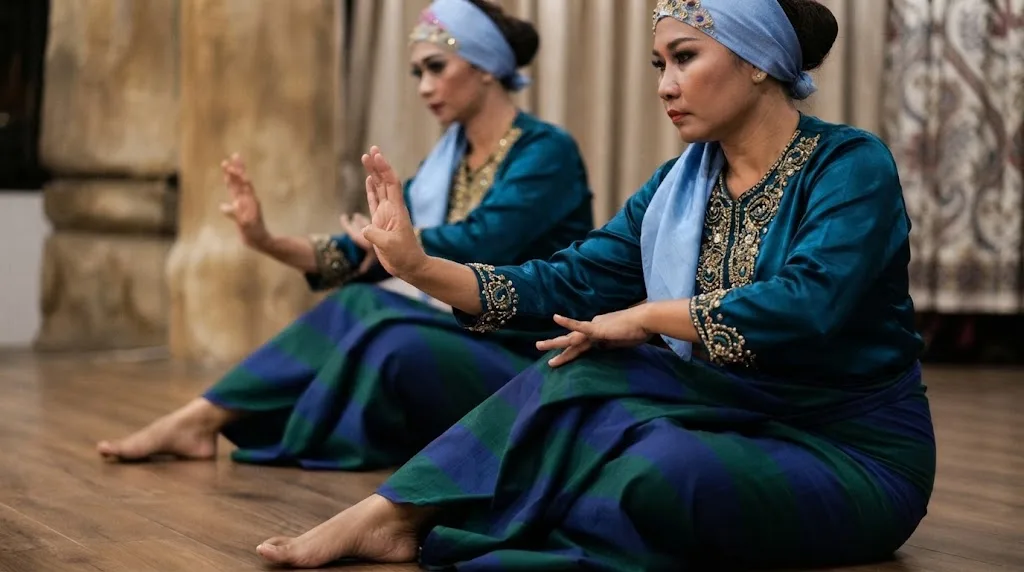
GENERAL SANTOS CITY - The August 2026 celebration at Plaza Heneral Santos brought children, elders, Indigenous participants, and government employees together through traditional dances and cultural presentations. Yet the value of cultural education does not have to end when a program closes. The DepEd Division of General Santos City describes its Indigenous Peoples Education program as a curriculum approach grounded in the knowledge, practices, and identities of Indigenous communities. This creates a different way of looking at cultural preservation: instead of treating traditions only as performances during special occasions, schools can provide young learners with opportunities to encounter their heritage while studying ordinary subjects and developing their own understanding of identity.
Why Culturally Relevant Lessons Can Make a Difference
A 2026 research study involving Holy Trinity College researchers examined the learning experiences of Indigenous Peoples children at Leonard Young Sr. National High School in Glan, Sarangani. The study found that culturally relevant stories and interactive activities helped participating students experience greater enjoyment and motivation in Filipino lessons, while also strengthening participation and self-confidence. Although the research was conducted in Glan rather than General Santos City, its findings offer a useful perspective for understanding why culturally responsive education matters in the wider SOCCSKSARGEN area. For GenSan, the idea presents an opportunity to connect classroom learning with familiar histories, community experiences, traditional knowledge, and perspectives that students can recognize.
A Future Where Young People Help Carry the Knowledge Forward
The National Indigenous Peoples Day gathering in GenSan brought different generations into one setting, with children and elders participating alongside other members of the community. That intergenerational element matters because cultural knowledge cannot remain alive through documentation alone; people have to learn, practice, explain, and pass it on. GenSan also has a documented 2026 example of Indigenous leaders and partner organizations meeting in the city to strengthen child protection while preserving culture, traditions, and ancestral identity. Together, these developments point toward a broader possibility: young people can become active participants in carrying cultural knowledge forward, rather than encountering it only during annual celebrations.
