Making Residential Solar More Accessible
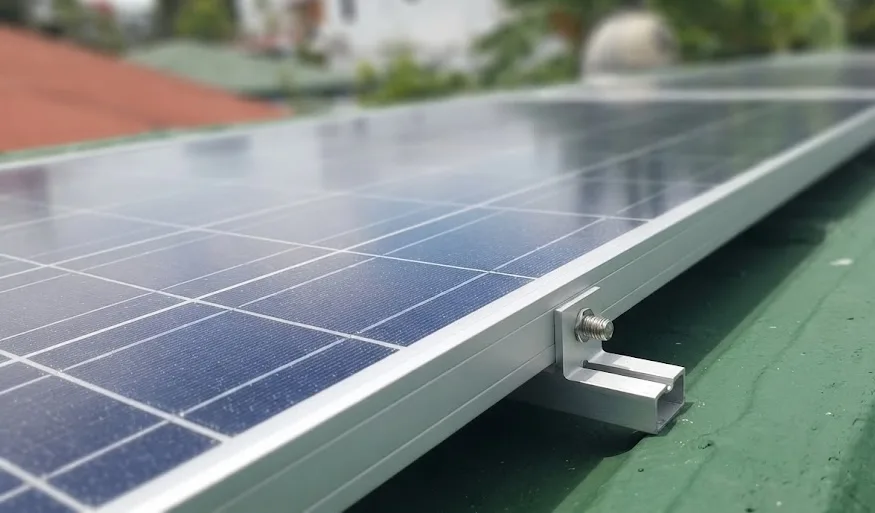
GENERAL SANTOS CITY - Installing solar panels can require a significant amount of money upfront, which may discourage households from making the switch even when they are interested in renewable energy. GSIS's Ginhawa Solar Energy Loan addresses part of that challenge by allowing qualified active members to borrow up to ₱500,000 for the purchase and installation of residential solar panel systems. The program carries a fixed interest rate of 5 percent and a repayment period of up to five years, with loan redemption insurance included. For eligible government employees in General Santos City, financing can therefore provide an alternative to paying the full cost of a solar installation immediately.
A Different Way to Think About Transportation
The second program focuses on mobility rather than household electricity. Through the Ginhawa Bike and e-Mobility Loan, GSIS is offering financing for electric-powered transportation. This gives qualified members another potential option for commuting and personal mobility as electric vehicles and other forms of e-mobility become more visible in the Philippines. The importance of such financing is that sustainable transportation is not only about developing charging infrastructure or introducing new vehicles; consumers also need practical ways to afford the technology. Financing programs can help bridge that gap for people who qualify.
Combining Household Energy and Personal Mobility
The two GSIS programs address different parts of everyday life, but they share a common theme: giving individuals access to cleaner technologies through financing. A solar system can change how a household obtains electricity, while an electric vehicle or e-mobility device can change how an individual travels. For government workers who are interested in reducing their dependence on conventional energy sources, having financing options for both areas could make sustainability feel more attainable. The programs therefore provide an example of how financial services can become part of broader efforts to encourage cleaner energy choices.