Turning Disaster Awareness Into Everyday Readiness
GENERAL SANTOS CITY- Disaster preparedness is not limited to emergency drills or the arrival of a storm warning; it also involves knowing the risks surrounding a home and understanding what to do when danger develops. During the October 13 observance, learners, teachers, families, and school communities were encouraged to strengthen their readiness for emergencies. The Philippine Information Agency reported that the activity focused on identifying hazards, locating safe areas and evacuation routes, participating in drills, and following official advisories. These actions give students and households practical ways to prepare before an emergency disrupts their routines. The message is straightforward: knowing the right steps beforehand can make a critical difference when time is limited.
Panatag Pilipinas 3.0 Brings Preparedness Lessons to Schools
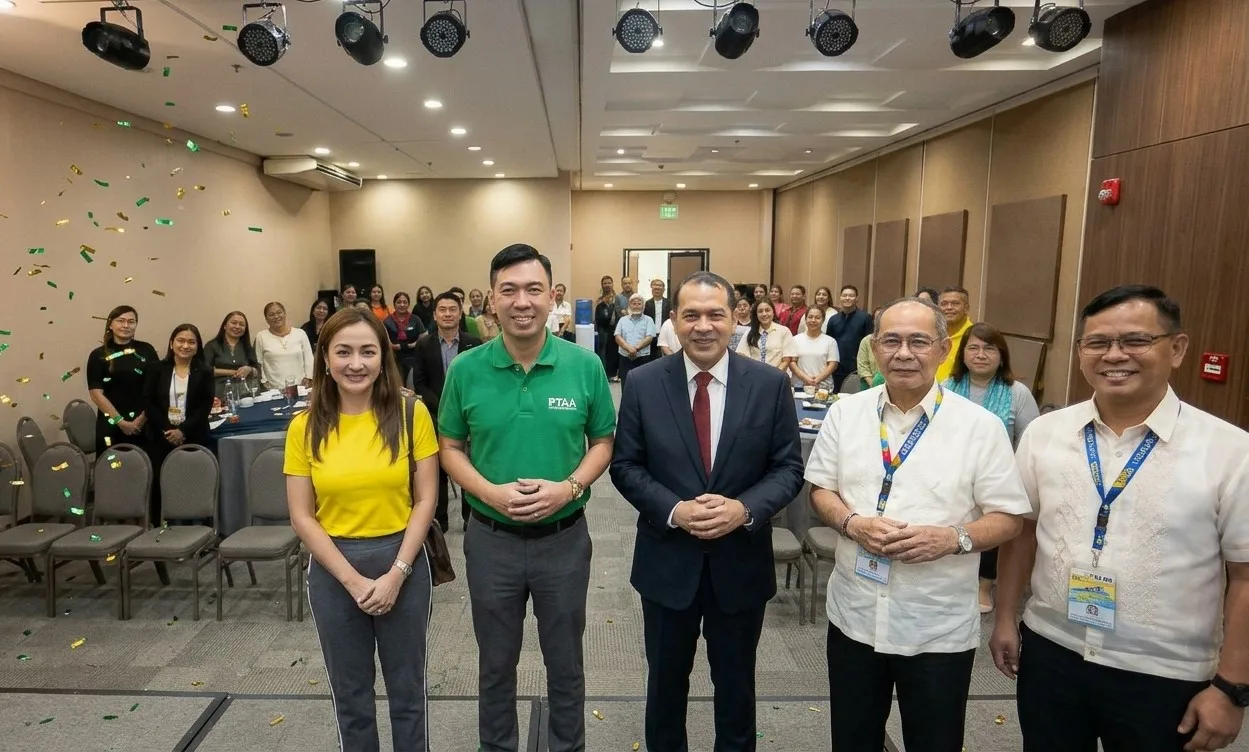
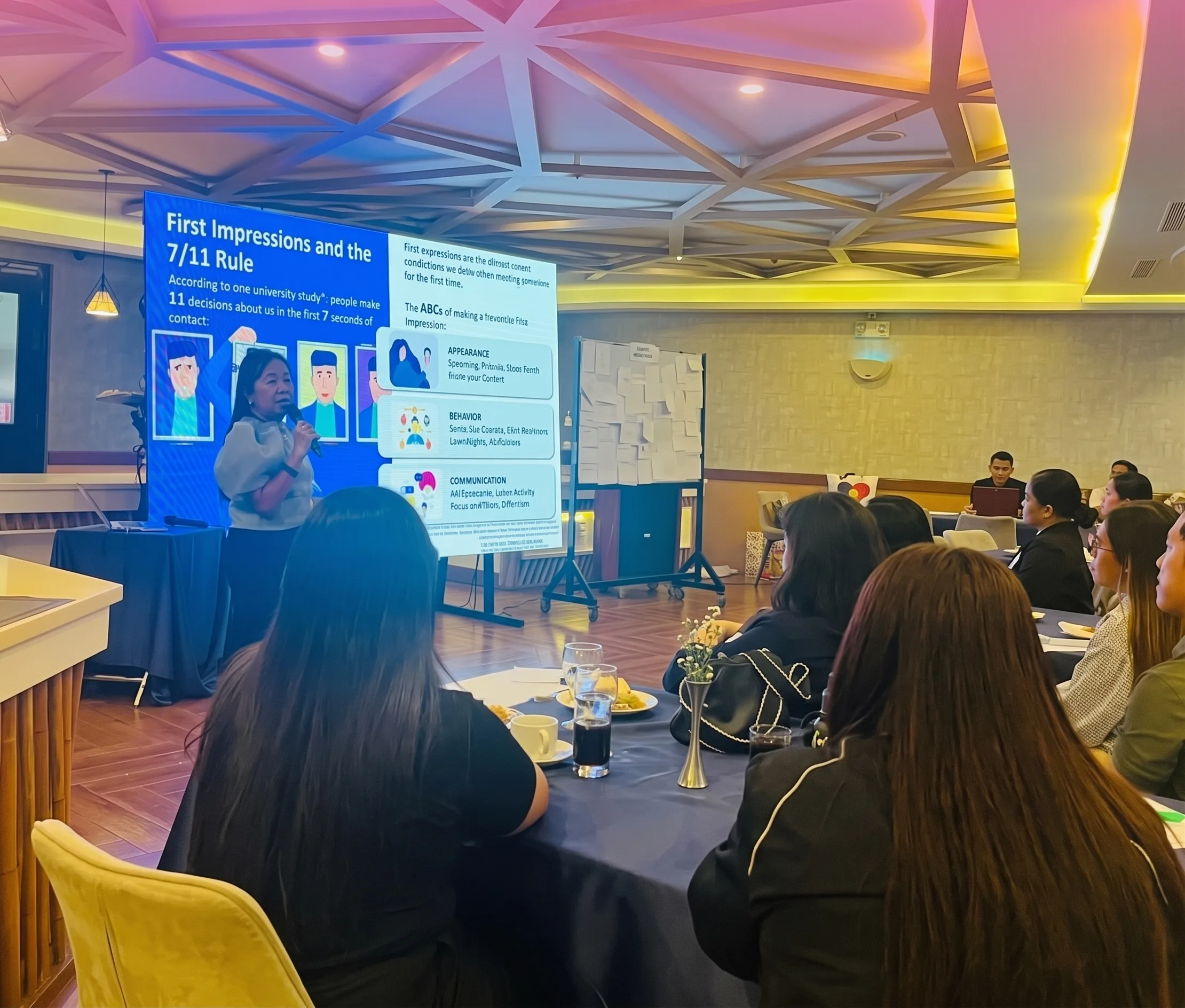
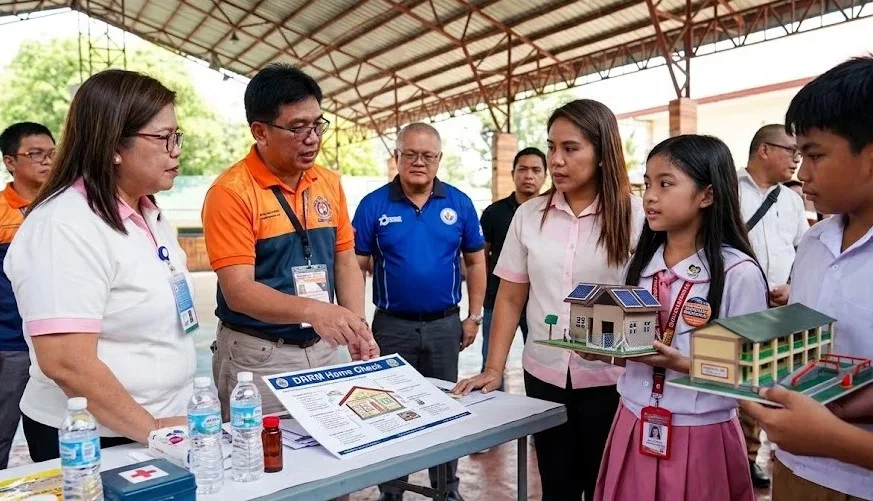
The General Santos City observance also featured the regional rollout of the Panatag Pilipinas 3.0 Information Caravan, conducted by the Office of Civil Defense in collaboration with the Department of Education and the Philippine Information Agency. The initiative brings disaster-related educational materials, videos, and hazard information directly to students in schools. Rather than treating preparedness as a subject to revisit only when a disaster threatens, the program aims to make safety knowledge part of regular school learning. Students can use these lessons to better recognize potential dangers and share accurate information with their families. The effort places schools in an important position to help children develop practical habits that support safety beyond the classroom.
Building Resilience From the Household Up
The 2026 international theme, “Resilience Starts at Home,” draws attention to how housing conditions, household decisions, and access to reliable warnings influence disaster safety. The United Nations Office for Disaster Risk Reduction emphasizes the importance of understanding local hazards, making informed housing decisions, and ensuring that warnings reach everyone who needs them. For families in General Santos City, preparedness can begin with identifying evacuation routes, keeping essential supplies accessible, securing important documents, and agreeing on a family meeting point. Households should also consider the needs of children, older adults, and people who may require assistance during evacuation. When these preparations are combined with disaster-ready schools and clear public information, the community gains a stronger foundation for reducing risks and protecting lives.