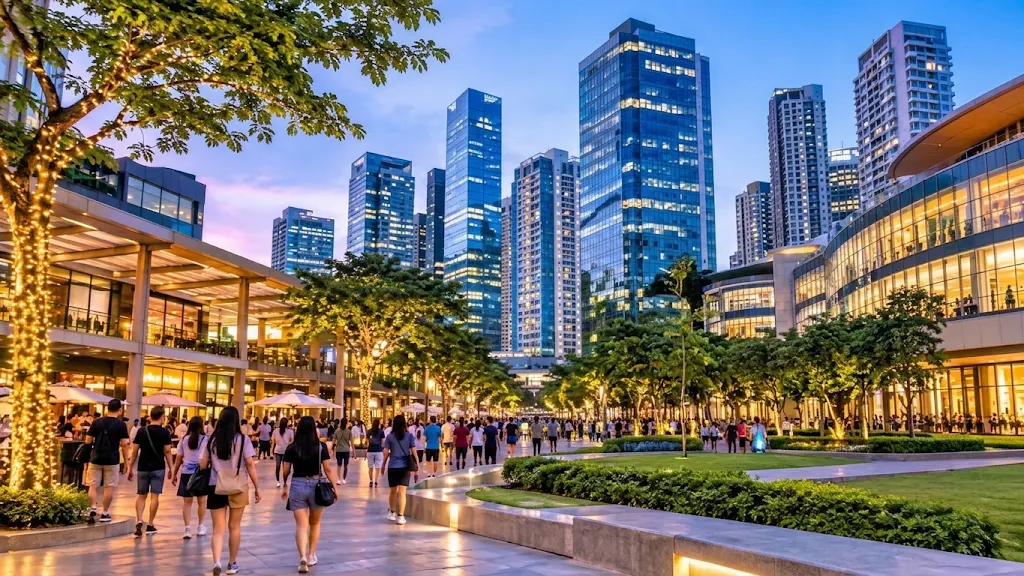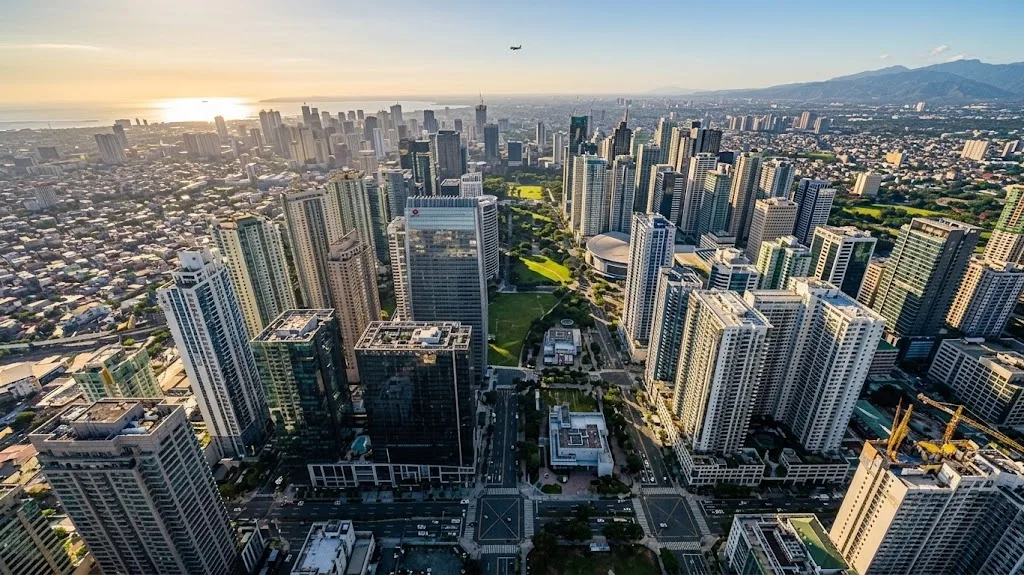
TAGUIG CITY — Amid the gleaming towers and bustling streets of Bonifacio Global City, October offers a meaningful invitation to reconnect with the Philippines' ancestral roots. National Indigenous Peoples Month, observed under Presidential Proclamation No. 1906, reminds urban dwellers that the nation's identity is deeply rooted in the wisdom and artistry of its Indigenous Cultural Communities.
Museum Pilgrimages Within Reach
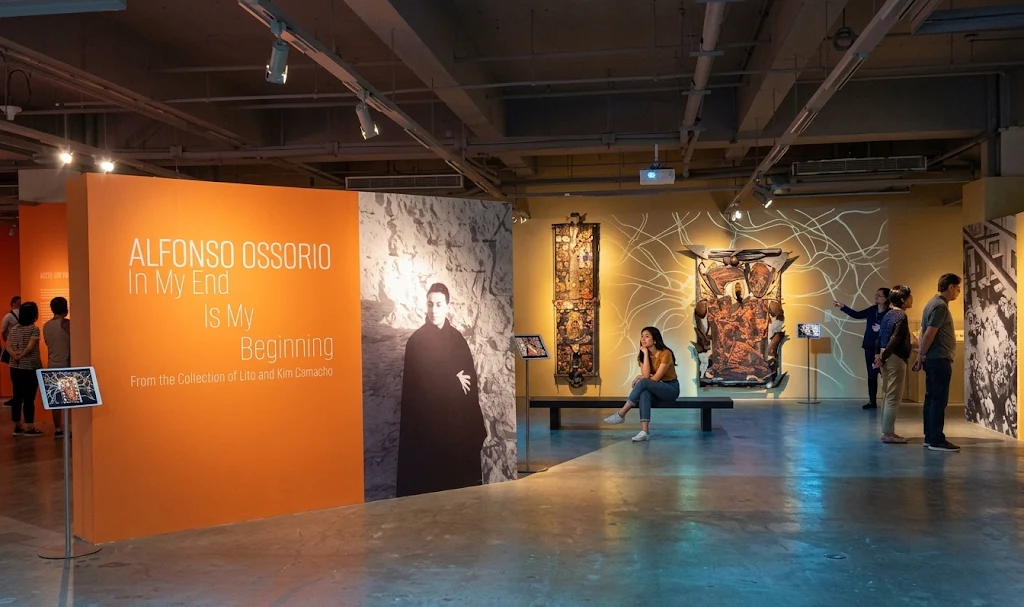
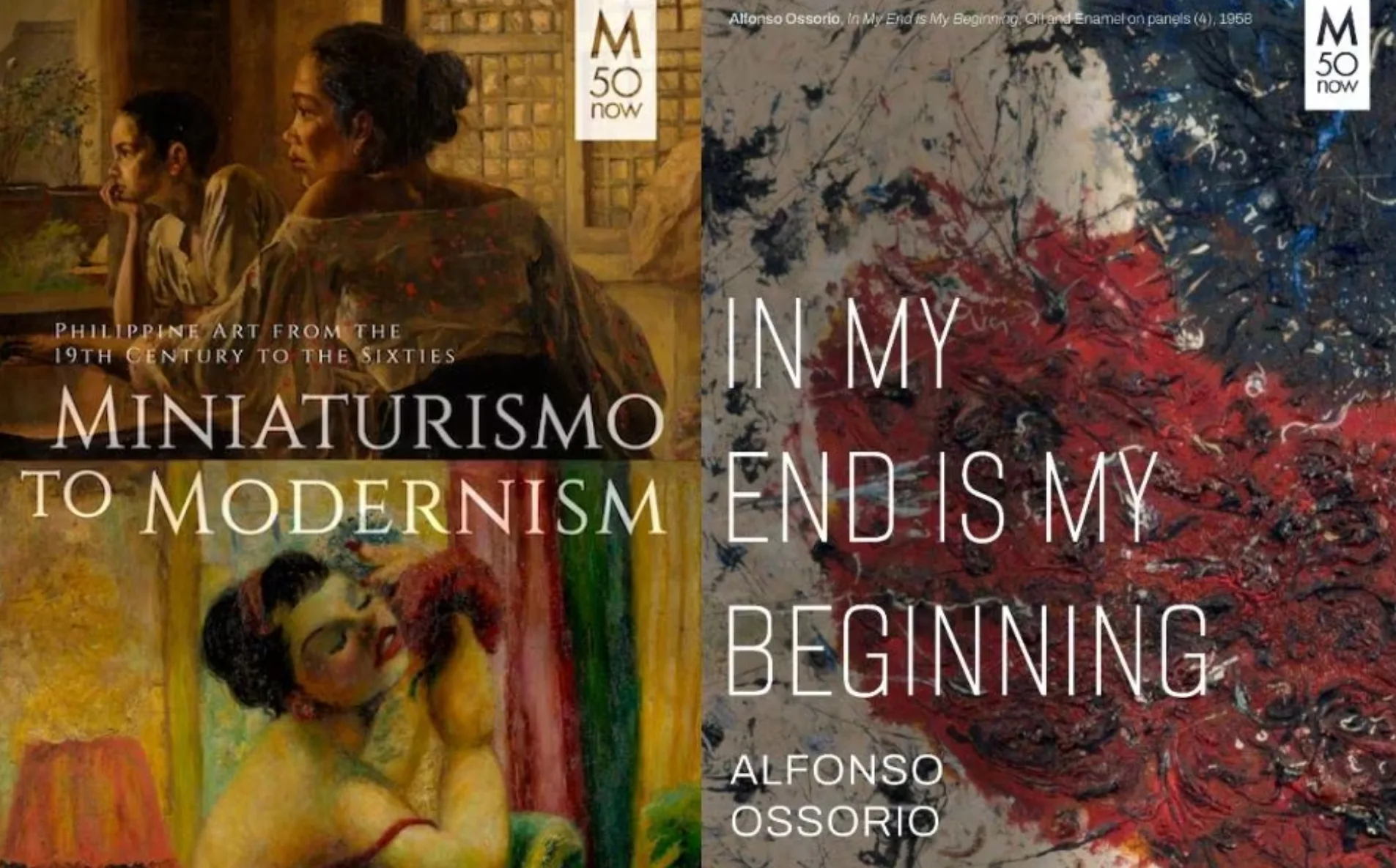
BGC's central location makes it an ideal starting point for cultural immersion. The Metropolitan Museum of Manila along 30th Street regularly curates exhibitions exploring identity, ancestral memory, and social justice. An afternoon spent wandering its galleries offers space to appreciate how contemporary Filipino artists engage with indigenous narratives.
Just across McKinley Road, the Ayala Museum in Makati houses significant indigenous collections. Its textile exhibition contextualizes handwoven fabrics within community and spiritual tradition. The Gold of Ancestors display features over a thousand pre-colonial artifacts, including ceremonial ornaments that attest to the extraordinary metalworking genius of early Filipino societies.
For a deeper dive, a weekend trip to the National Museum of Anthropology in Manila reveals extensive ethnological exhibits. Traditional tools, musical instruments, and sacred ritual objects from various ethnolinguistic groups provide a comprehensive view of the archipelago's cultural diversity.
Ethical Fashion and Artisanal Support
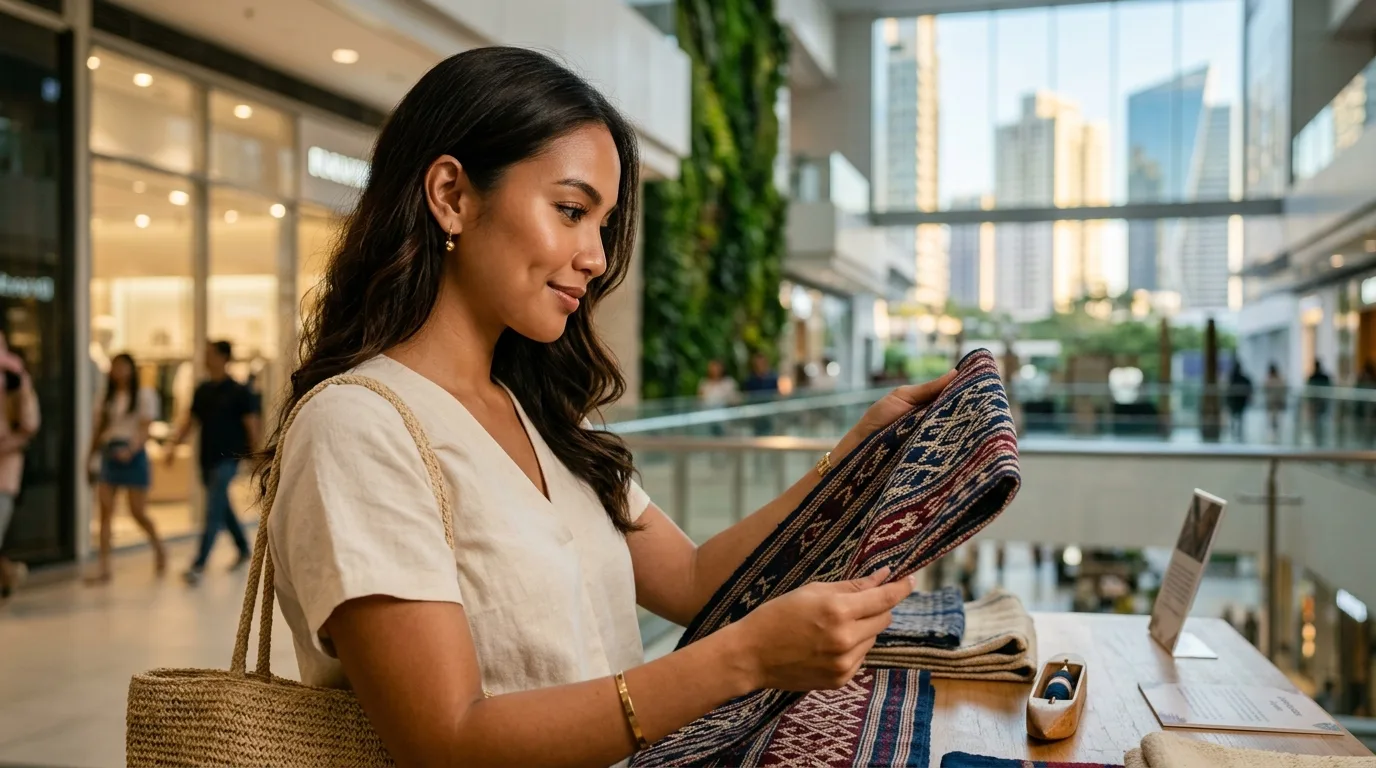
BGC's lifestyle hubs frequently host pop-ups showcasing products from indigenous weavers and craftspeople. Celebrating the month through fashion means moving beyond aesthetics to informed appreciation. Shoppers should ask about the provenance of handwoven textiles, learning to recognize the geometric precision of Ilocano Inabel or the sacred abaca weaves of Mandaya Dagmay.
Supporting fair-trade social enterprises ensures that indigenous cooperatives receive fair wages and respectful representation. Purchasing directly from these sources protects intellectual property and honors the sacred context of traditional motifs. It transforms a simple transaction into an act of solidarity.
Heirloom Foodways and Culinary Heritage
Food serves as a living medium of cultural memory. BGC's dining scene increasingly intersects with farm-to-table ethics and indigenous agricultural heritage. Restaurants featuring native ingredients like adlai, tinawon rice, or batuan offer diners a taste of ancestral foodways.
Buying directly from indigenous farming cooperatives at weekend markets supports heirloom crop preservation. Urban consumers become partners in safeguarding native seed varieties and the livelihoods of indigenous farmers. Every conscious meal becomes a contribution to biodiversity and cultural survival.
Advocacy Through Learning and Sharing
Honoring indigenous culture extends beyond material appreciation to intellectual engagement. Understanding the Indigenous Peoples' Rights Act of 1997 and concepts like Ancestral Domain Titles shifts cultural appreciation into meaningful advocacy. Knowledge empowers urban residents to support indigenous self-determination.
Using digital platforms to amplify indigenous authors, filmmakers, and leaders extends their reach to wider audiences. Workplace conversations and lunch-and-learn sessions can introduce colleagues to traditional ecological knowledge. These small acts build bridges between corporate towers and ancestral domains.
A Bridge Between Worlds
Bonifacio Global City symbolizes modern Filipino aspiration, yet true progress honors the foundations upon which the nation stands. By exploring museums, supporting artisans, savoring heirloom harvests, and elevating indigenous voices, BGC residents and visitors build meaningful connections. This October, let the city's glass towers reflect not just the skyline, but the enduring heritage of the Philippines' first peoples.