


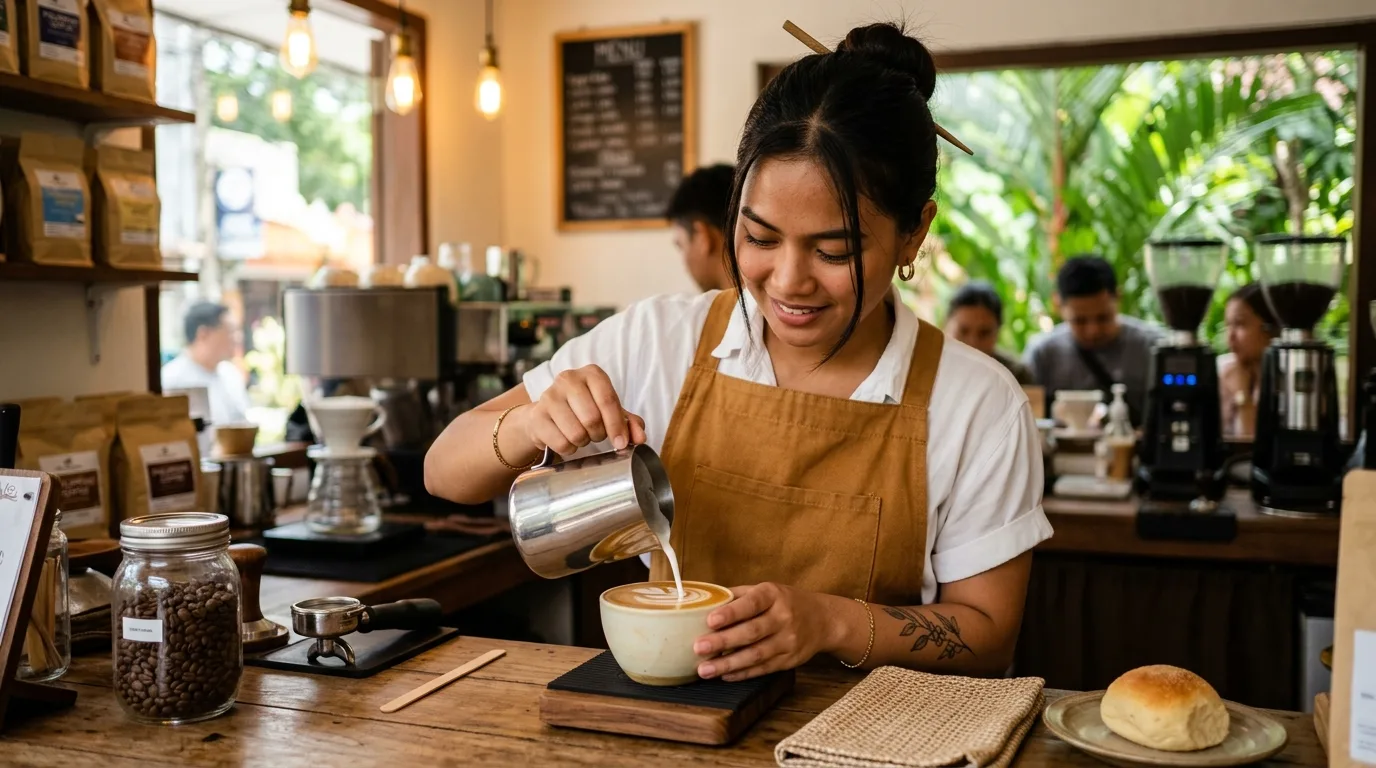
PHILIPPINES — Every October 1, the world raises a cup for International Coffee Day, honoring the beverage that fuels mornings and livelihoods. In the Philippines, coffee is more than a drink; it is a cultural ritual, a symbol of hospitality, and a living historical legacy woven into everyday life.
A Legacy Rooted in Volcanic Soil
Spanish Franciscan friars introduced coffee to Lipa, Batangas, in 1740. The country's fertile volcanic soil and tropical climate proved ideal. By the 1880s, the Philippines had become the world's fourth-largest coffee exporter, and Lipa earned the title "Coffee Capital of the Philippines."
The golden age ended when coffee rust devastated Arabica plantations in the 1890s. Farmers adapted by shifting to hardier species like Liberica, Robusta, and Excelsa. Today, the Philippines is one of the rare places where all four commercial coffee species are grown concurrently.
The Four Pillars of Philippine Terroir
Liberica, locally known as Kapeng Barako, thrives in Batangas and Cavite. It offers bold, low-acidity flavors with notes of dark chocolate, toasted nuts, and anise. Barako represents the fearless spirit of rural Filipino homes and remains a point of regional pride.
Highland Arabica from Benguet, Sagada, and Kalinga delivers bright acidity and floral undertones. Robusta from Mindanao provides deep cocoa and spice profiles that anchor daily brews. Excelsa adds tart, fruity notes that elevate regional blends with jackfruit-like complexity.
The Daily Ritual of Kapihan
Filipino mornings rarely begin without the aroma of fresh coffee. Whether Barako boiled in a kettle or a quick 3-in-1 sachet, coffee is an intimate daily affair. Dunking warm pandesal into black coffee sweetened with muscovado sugar is a comforting staple loved across generations.
Coffee is also the currency of Filipino hospitality. When a guest enters a home, the first question is often "Kape muna tayo?" Offering coffee is an act of honor and warmth. This shared experience birthed the Kapihan, where neighbors gather to discuss news and share stories over hot mugs.
A Modern Renaissance From Farm to Cup
A rising generation of Filipino roasters and baristas is driving a farm-to-cup movement. Third-wave cafes in Manila, Cebu, and Davao now highlight single-origin local beans. Baristas showcase pour-overs made with heirloom Typica from Sagada and espresso from Mindanao Robustas.
This revival puts the spotlight back on farming communities. Initiatives empower indigenous growers in Kalinga and Davao with better processing methods and direct-trade access. Philippine beans now score above 80 points on the international specialty scale, proving world-class quality.
Raising a Cup for Community and Heritage
International Coffee Day in the Philippines honors both past and future. It is a tribute to the resilient hands that pick coffee cherries on steep mountain ridges and the elders who preserved Kapeng Barako heritage. It also celebrates young baristas serving craft brews in neighborhood cafes.
Whether enjoyed as a smoky Barako shot in Batangas or a smooth pour-over in Benguet, coffee remains the beating heart of Filipino connection. Raising a cup today is a toast to community, heritage, and the warm spirit of the Filipino home. Mabuhay at mag-kape tayo!
