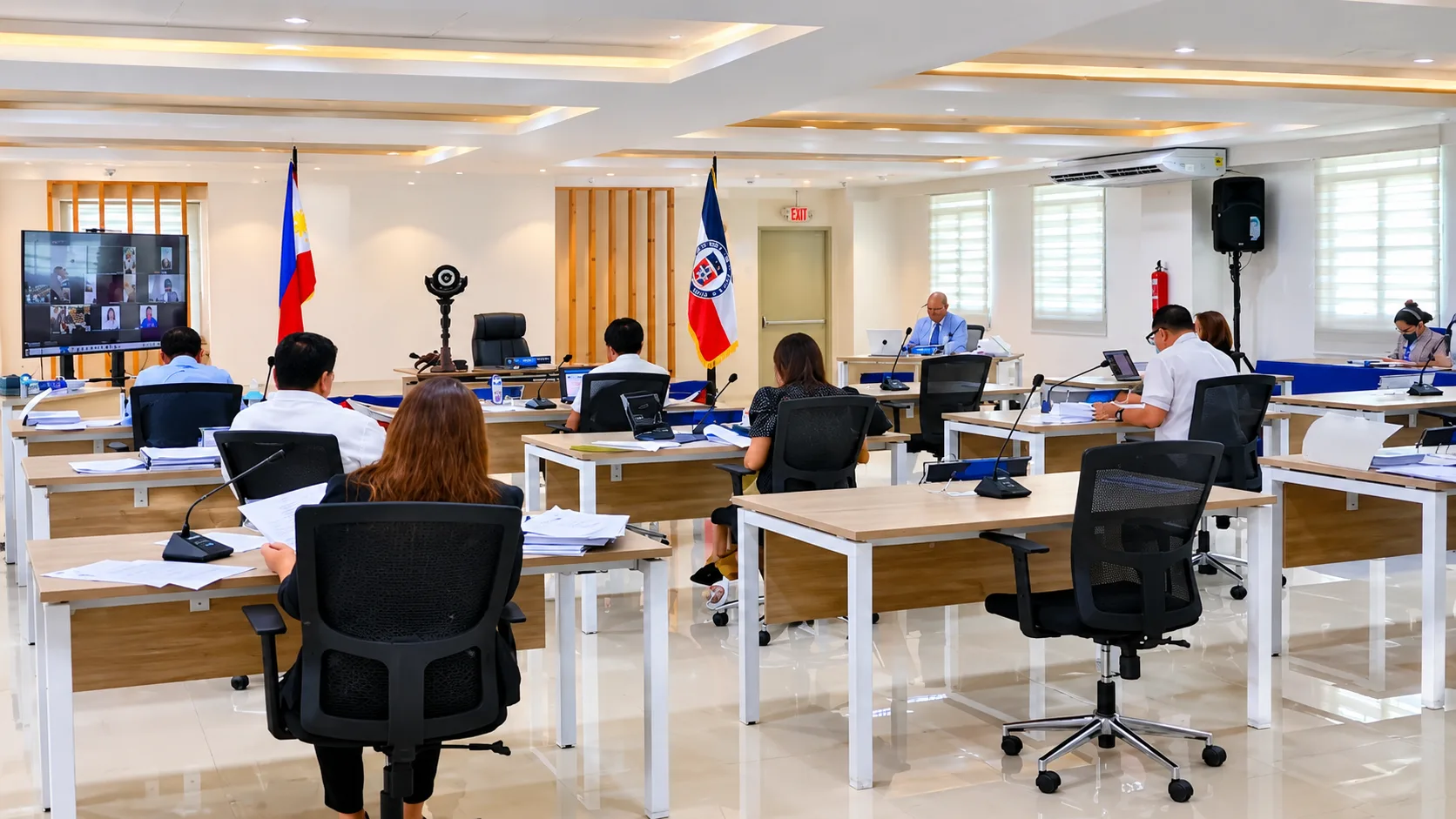
TACLOBAN CITY, LEYTE — The provincial government of Leyte is pushing to establish permanent pandemic response protocols and a faster feedback mechanism to strengthen its readiness for future public health emergencies. More than three years after the lifting of the COVID-19 global public health emergency, officials are seeking to codify lessons learned during the crisis into lasting legislation. Leyte Board Member Carlo Loreto, chair of the Provincial Board’s Committee on Disaster Risk Reduction and Management, stated that the province needs a comprehensive pandemic response code providing enduring yet adaptable guidelines for managing health threats while enabling quicker policy adjustments based on real-time feedback.
The initiative follows a commissioned study examining how Leyte’s COVID-19 policies, health protocols, and government interventions evolved over time using the Panarchy resilience framework. Loreto noted that while protocols shifted repeatedly during the pandemic as authorities responded to developments, embedding a more efficient feedback loop directly into legislation is essential for faster, better-coordinated decisions. The study reviewed past measures such as Provincial Ordinance No. 2020-15 on integrated provincial health protocols and Ordinance No. 2020-03 authorizing virtual legislative sessions and noted pressures during major surges in 2021 and January 2022, while cautioning that case trends alone do not prove the direct impact of specific interventions.
Research findings also pointed to ground-level implementation gaps in barangays, where frontline personnel faced staffing shortages, inconsistent instructions, and limited digital communication tools that occasionally forced reliance on word-of-mouth contact tracing. Loreto emphasized that the proposed code will account for physical, financial, and operational realities on the ground, standardizing procedures for interagency coordination, personnel deployment, communication, contact tracing, and essential health services. By addressing resource constraints at the community level, Leyte aims to build a more resilient, coordinated public health system ahead of future outbreaks.