


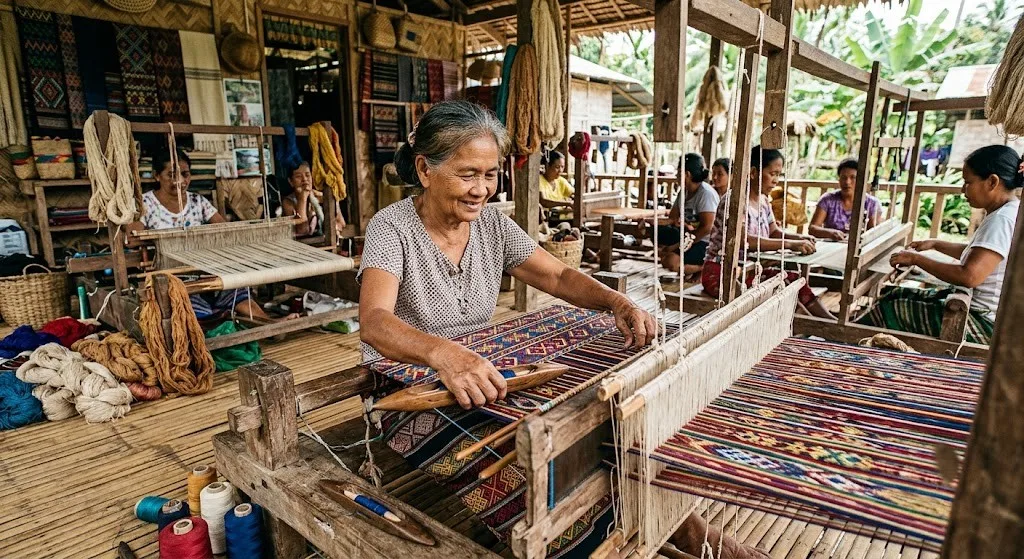
Negros Oriental is known not only for its natural attractions and cultural landmarks but also for the traditional skills and craftsmanship preserved by local communities. Among these valuable cultural practices is weaving, a centuries-old tradition that reflects the creativity, resourcefulness, and heritage of local artisans. Through the production of woven products made from natural and locally available materials, weaving traditions contribute to the preservation of cultural identity while supporting the development of artisan tourism in Negros Oriental.
Understanding Artisan Tourism
Artisan tourism focuses on travel experiences that allow visitors to explore traditional crafts, handmade products, and local artistic practices. Travelers are increasingly interested in destinations where they can learn about cultural traditions directly from artisans and witness the production of authentic handcrafted goods. Local weaving traditions provide visitors with opportunities to appreciate the skills and knowledge passed down through generations.
Preserving Cultural Heritage
Weaving represents an important aspect of intangible cultural heritage. Traditional weaving techniques reflect the history, customs, and values of local communities. By preserving these practices, artisans help safeguard cultural knowledge and ensure that future generations continue to appreciate and maintain these important traditions.
Showcasing Local Creativity
Handwoven products demonstrate the creativity and craftsmanship of local artisans. Through the use of traditional patterns, designs, and weaving methods, communities create products that reflect their unique cultural identity. These handmade items serve as cultural symbols that attract visitors interested in authentic and meaningful tourism experiences.
