


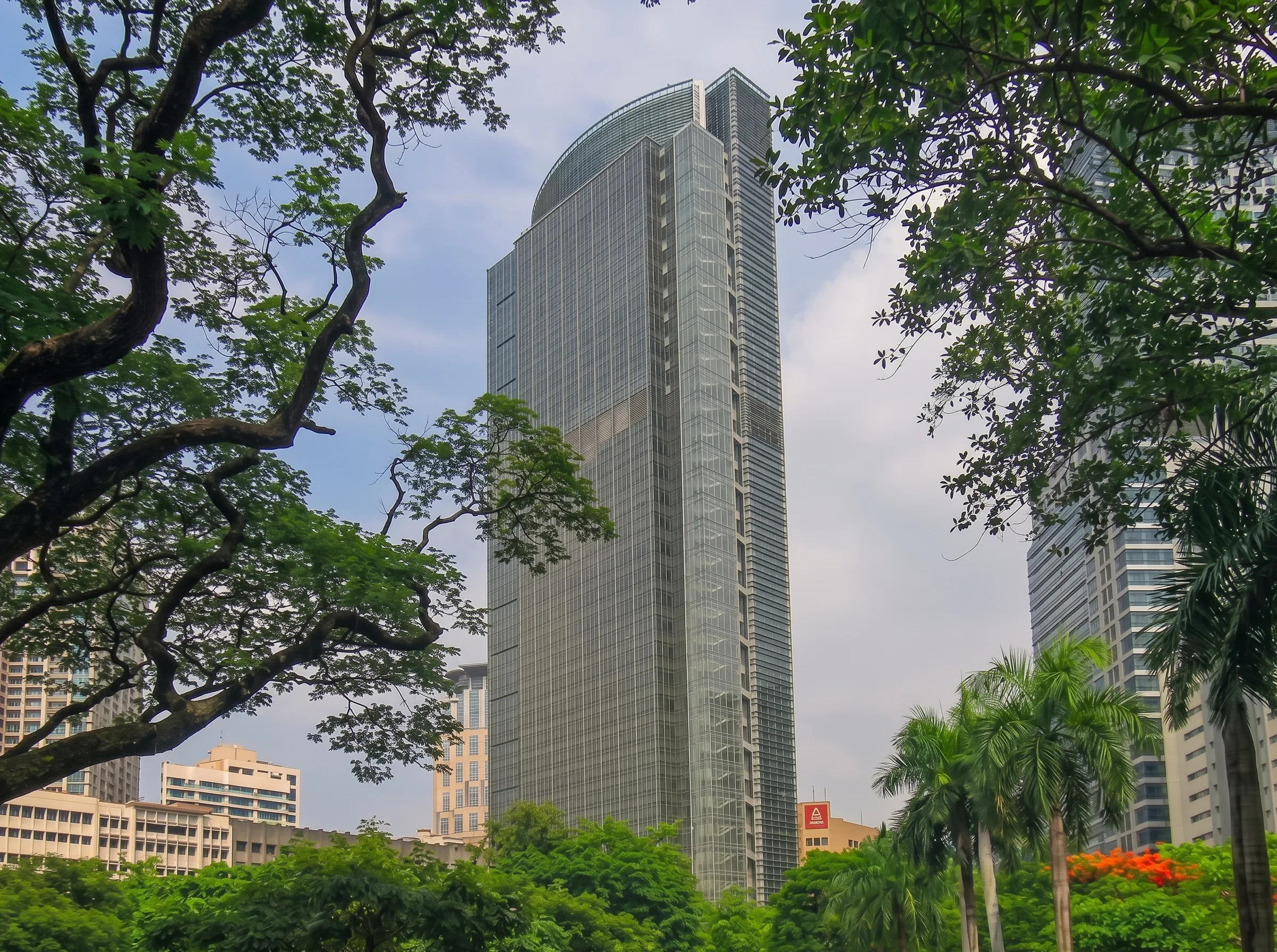
MAKATI CITY — Makati's clean energy transition is no longer a plan on paper. The city has activated the first phase of its renewable energy program, switching 11 of its largest and most energy-intensive government facilities to 100% clean power sourced from solar, wind, and geothermal plants. These 11 sites including the New Makati City Hall, the University of Makati, Ospital ng Makati, and several public schools, account for 60.92 percent of the city's clean energy target capacity. The milestone, achieved under a nine-year Renewable Energy Supply Agreement with ACEN Corporation, positions Makati as the first local government unit in the Philippines to champion 100% renewable energy utilization. The remaining 143 facilities will be integrated sequentially until the entire 154-property portfolio is fully covered. For businesses and developers watching the city's energy trajectory, the phased rollout offers a working model of how large property portfolios can transition to clean power without disrupting operations.
The Macro Policy Landscape: Solar Imports, Foreign Equity, and National Targets
The timing of Makati's transition aligns with a broader national shift. In 2025, net solar-panel imports reached 5,068 megawatts, more than five times the 800 megawatts of grid-connected utility-scale solar capacity installed that year, with import values reaching approximately $483 million. Foreign ownership is now permitted up to 100 percent in renewable energy projects covering solar, wind, biomass, ocean, and geothermal sources. The government is targeting a 35 percent renewable energy share in power generation by 2030 and 50 percent by 2040, with the Department of Energy's 10-year Green Energy Auction Plan aiming for at least 25 gigawatts of additional renewable capacity from 2027 to 2035. Together, these policies signal that the Philippines is actively courting green investment and building the regulatory framework to support it.
What This Means for Makati's Real Estate and Corporate Sector
For developers and corporate occupiers in the Makati CBD, the city's renewable energy transition carries practical implications. Buildings and offices that adopt clean energy procurement can reduce exposure to volatile fossil fuel prices while strengthening their environmental, social, and governance credentials, an increasingly important factor for multinational tenants and institutional investors. The city's own experience demonstrates that clean energy adoption can generate savings: the ACEN agreement is projected to save around PHP300 million over its contract period while preventing approximately 289,885 metric tons of carbon emissions. As Makati continues to attract green investment, the convergence of national policy incentives and local implementation creates a favorable environment for property owners considering similar transitions.
A Forum to Connect the Dots
Against this backdrop, the British Chamber of Commerce Philippines will hold its Trade & Connect: The Philippine Clean Energy Future forum on September 29, 2026, at the Colliers Head Office in Makati City. The event brings together businesses and energy stakeholders to discuss the clean energy transition and opportunities for green foreign investment. For Makati's business community, it offers a timely opportunity to engage with the policies and market trends shaping the country's energy future, and to see how the city's own milestone fits into a larger national story.
