


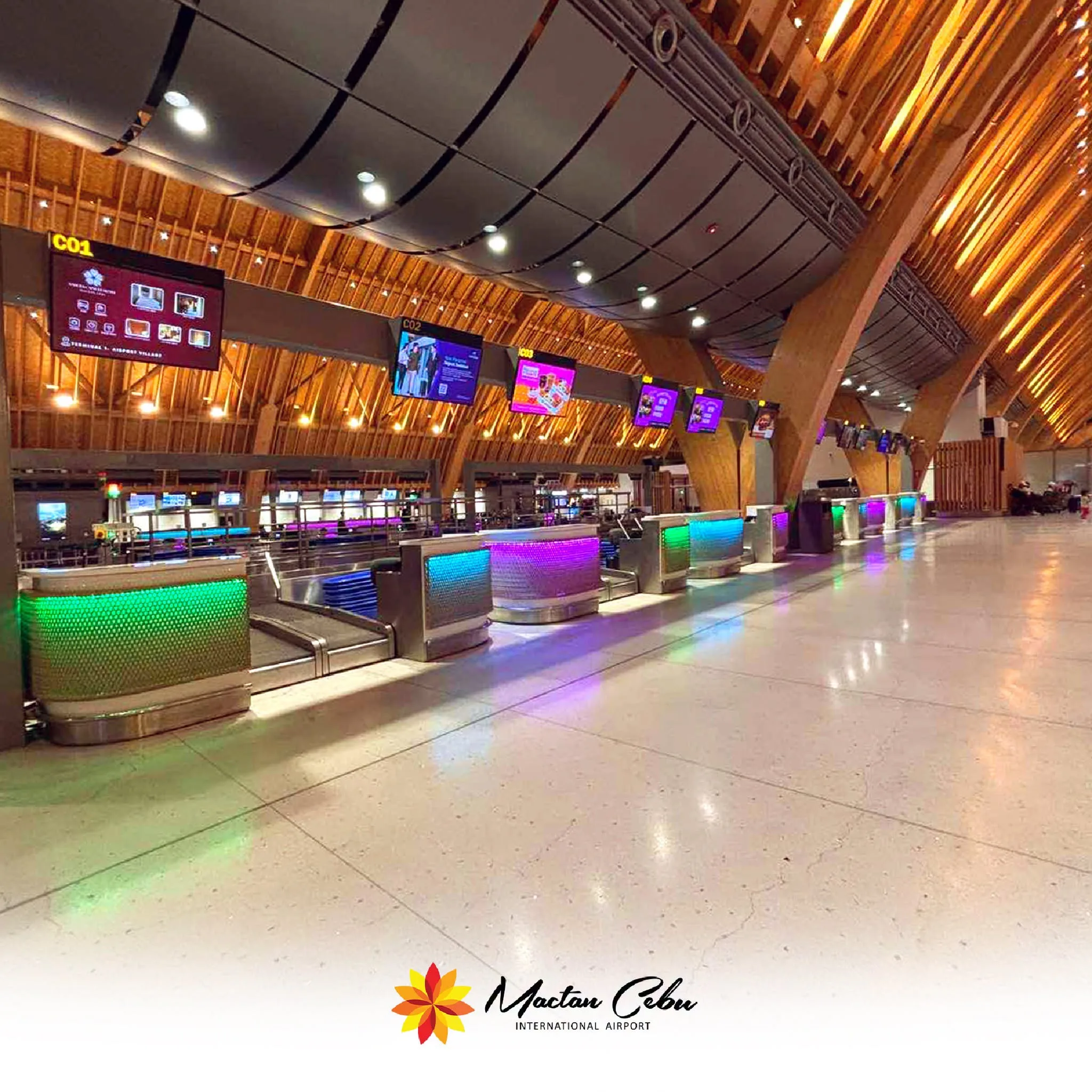
CEBU — Mactan-Cebu International Airport (MCIA) welcomed 8.25 million passengers from January to August 2026, with international traffic returning to growth in July and August after a five-month decline. The recovery signals improving demand at the country’s second-busiest gateway.
A Strong Domestic Base Fuels Recovery
The airport’s total traffic was driven primarily by domestic travel, which accounted for 6.07 million passengers, while international arrivals contributed 2.17 million. The volume reflects Cebu’s enduring appeal as a top destination for local travelers, even as global travel patterns continue to normalize.
Despite an earlier contraction, international passenger traffic rebounded in the last two months, indicating renewed confidence in cross-border travel. This turnaround aligns with Cebu Province’s broader tourism performance, which saw foreign arrivals surge by over 27 percent from January to August 2026.
New Routes Strengthen Global Connectivity
The airport’s international recovery is being supported by expanded connectivity. Vietnamese budget carrier Vietjet is set to launch direct flights between Cebu and both Hanoi and Ho Chi Minh City in November 2026. Cebu Pacific is also adding new routes to Shanghai and Nagoya, while resuming its Cebu-Ho Chi Minh service.
These additions bring MCIA’s total overseas destinations to 19, reinforcing its role as a key gateway linking Cebu to major Asian markets. The expanded network gives travelers from the Visayas and Mindanao more seamless access to international destinations without transiting through Manila.
Infrastructure Upgrades Enhance Passenger Experience
The airport’s growth is backed by significant infrastructure investments. Aboitiz InfraCapital has poured ₱231 million into upgrades over the past two years, including the rollout of CEB Connects, which enables minimum connection times of 35 minutes for domestic transfers and 60 minutes for international-to-domestic transfers.
MCIA also introduced CEB Balik, a dedicated support program for overseas Filipino workers featuring a lounge and facilitation center for government services. These improvements enhance the airport’s competitiveness and passenger satisfaction, crucial as it accommodates rising volumes.
A Gateway Poised for Further Growth
Cebu’s tourism momentum and MCIA’s expanding connectivity create a virtuous cycle. As more airlines commit to new routes, the airport’s capacity to attract international visitors strengthens, further boosting the local economy. The rebound in international traffic suggests that Cebu remains a preferred destination for foreign travelers.
With continued investments in infrastructure and route development, MCIA is well-positioned to sustain its growth trajectory. The airport’s performance reflects the broader recovery of Philippine tourism and its potential to compete on the regional stage.
