


An Evaluation Focused on Institutional Readiness
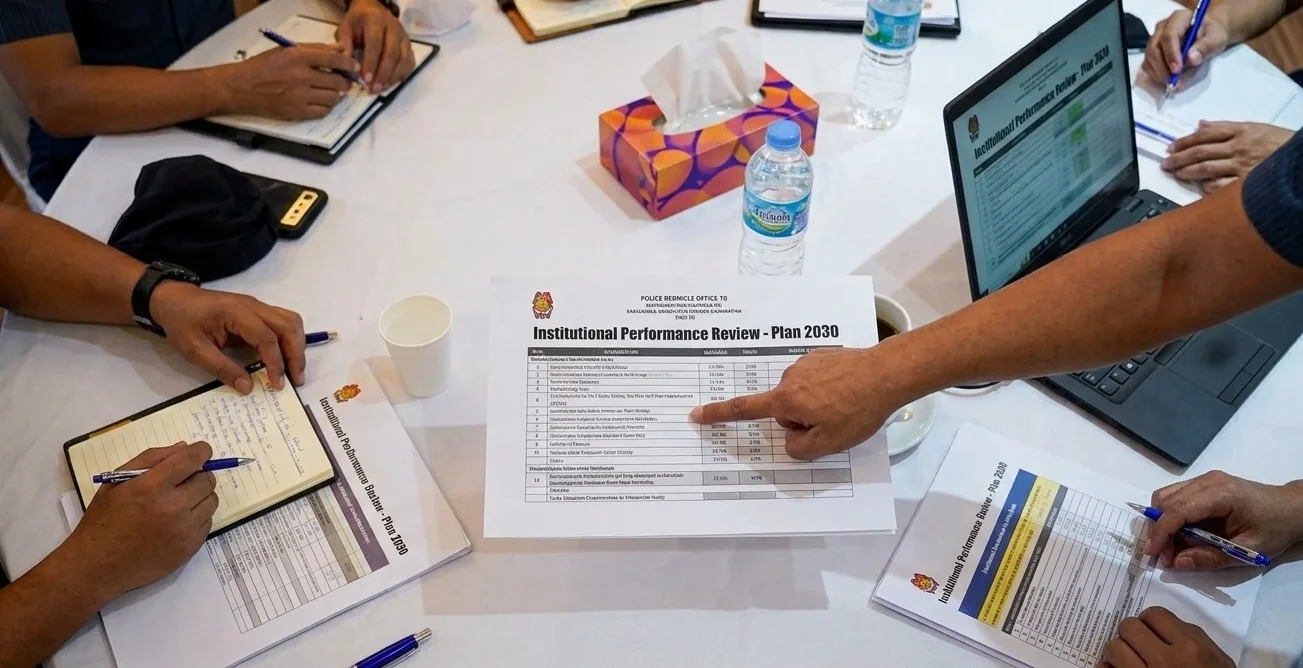
OZAMIZ CITY- The Institutionalization Evaluation Process examines how an organization puts its established strategies and management systems into practice. Within the Philippine National Police, the P.A.T.R.O.L. Plan 2030 serves as a long-term transformation roadmap, using a performance governance framework to monitor progress toward organizational goals. A related evaluation process may consider documentation, performance indicators, internal procedures, and evidence that planned initiatives are being carried out. The supplied announcement identifies Misamis Occidental PPO as having passed its unit revalidation, although the detailed assessment findings were not independently available for this article. The result should therefore be understood as a reported institutional milestone rather than proof that every aspect of police service has improved.
Understanding the P.A.T.R.O.L. Plan 2030
P.A.T.R.O.L. stands for Peace and Order Agenda for Transformation and Upholding of the Rule of Law. According to the Philippine National Police's published program information, the plan uses a performance governance system to help align organizational objectives, initiatives, and measurable targets. This approach is intended to make progress easier to track and to help offices identify areas that require further attention. For a provincial police office serving communities around Ozamiz City, such a framework provides a structure for reviewing organizational responsibilities and operational priorities. Its practical value ultimately depends on how the plans and performance measures are reflected in day-to-day police work.
Why Institutional Reviews Matter to Communities
Residents generally encounter police services through activities such as responding to complaints, assisting people in emergencies, conducting investigations, and maintaining public order. An institutional evaluation can review the systems supporting these responsibilities, but the result alone does not establish how residents experience each service. Continued assessment, accurate reporting, and clear channels for public feedback remain important parts of organizational accountability. For Misamis Occidental PPO, the reported revalidation provides a reason to examine how its transformation framework is maintained beyond the assessment itself. The longer-term significance will depend on documented implementation and the quality of service delivered to the communities within its jurisdiction.
