Work That Supports Both Families and the Fish Port
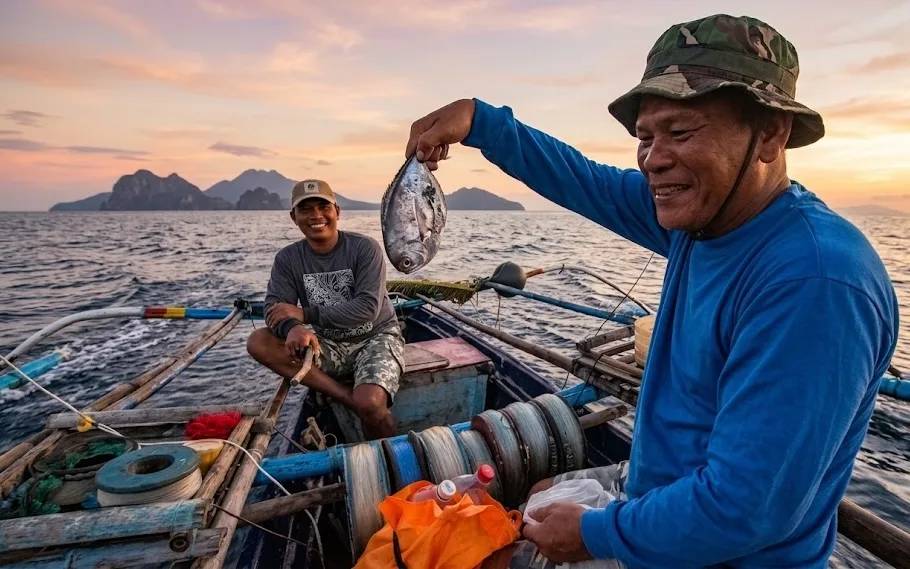
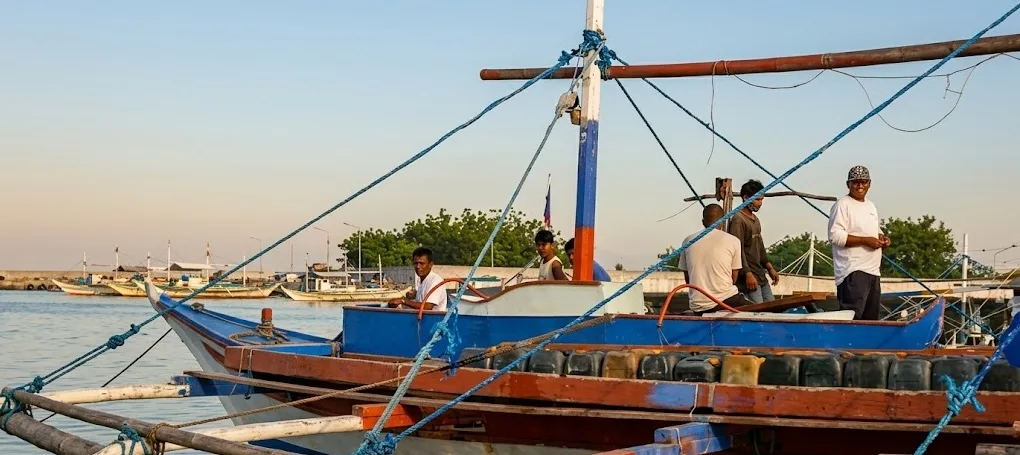
GENERAL SANTOS CITY - Emergency employment is often associated with short-term community projects, but the TUPAD–Tuloy Pamalakaya initiative introduced a more specialized approach. Beneficiaries were assigned to tasks directly connected to fish port operations, allowing them to contribute to activities that support the fisheries supply chain. According to the Department of Labor and Employment, workers assisted in fish handling, post-harvest operations, logistics, drainage maintenance, wastewater cleaning, and infrastructure support within the General Santos Fish Port Complex. The arrangement enabled displaced and disadvantaged fisherfolk to earn temporary income while performing work that benefited an industry central to the local economy.
A Partnership That Went Beyond Financial Assistance
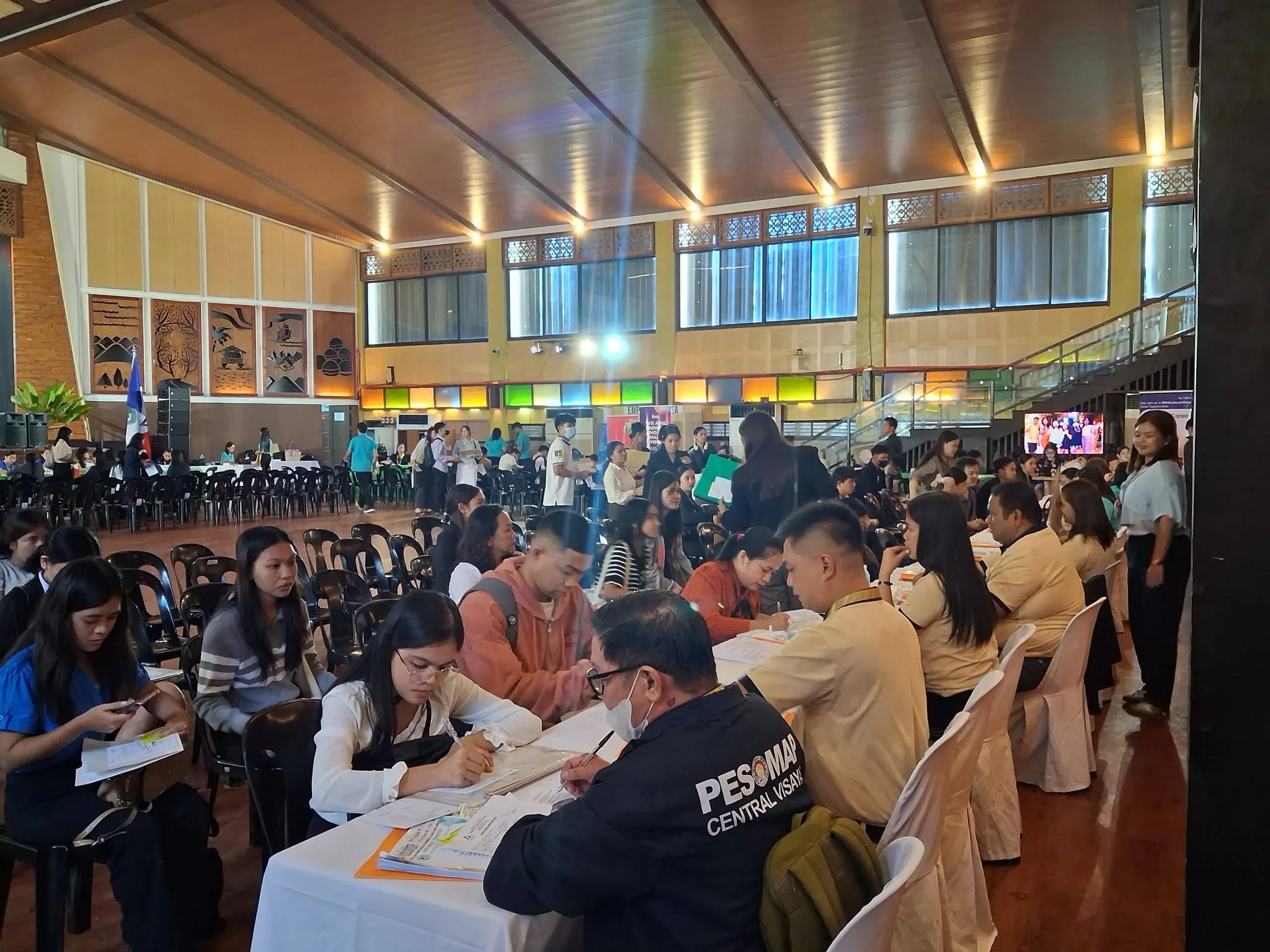
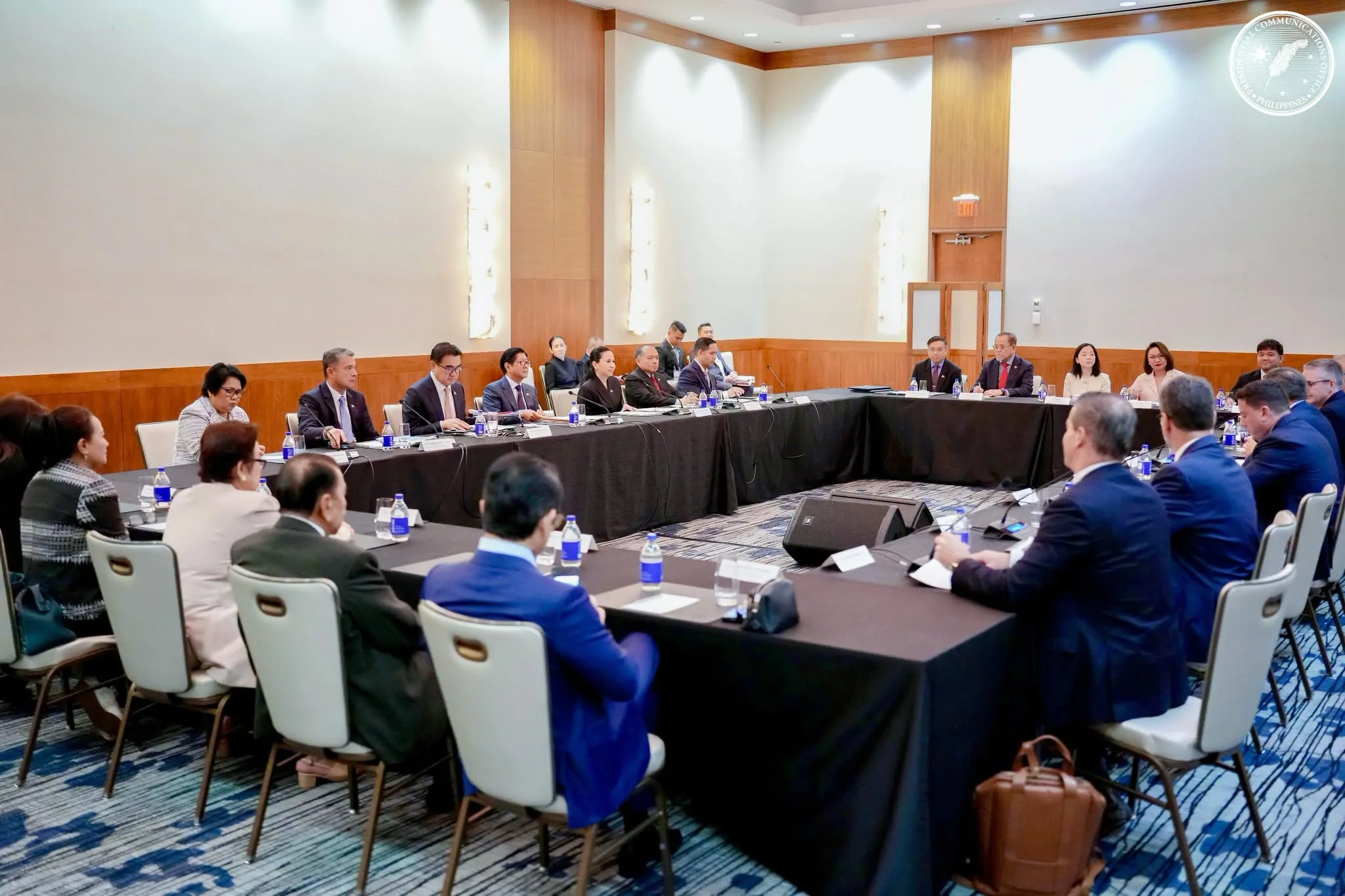
The program demonstrated how collaboration among government agencies can produce broader community benefits. The Department of Labor and Employment partnered with the Bureau of Fisheries and Aquatic Resources Region XII and the Philippine Fisheries Development Authority to implement the initiative, resulting in the release of ₱9.88 million in wages to 1,040 beneficiaries. Rather than functioning solely as financial aid, the program connected employment with meaningful responsibilities that supported fish port operations during a period of operational challenges. This model showed how livelihood programs can strengthen both workers and essential economic facilities at the same time.
Why Strong Fisheries Mean Stronger Communities
The General Santos Fish Port Complex serves as more than a marketplace—it supports an extensive network of fishermen, processors, traders, transport providers, exporters, and service businesses. Maintaining its operations helps preserve economic activity that reaches far beyond the port itself. Programs such as TUPAD–Tuloy Pamalakaya illustrate how workforce support can contribute to community resilience while sustaining industries that provide employment across the region. By combining temporary livelihood opportunities with operational assistance, the initiative highlighted the importance of investing in people whose daily work keeps one of the Philippines' most significant fisheries centers functioning.