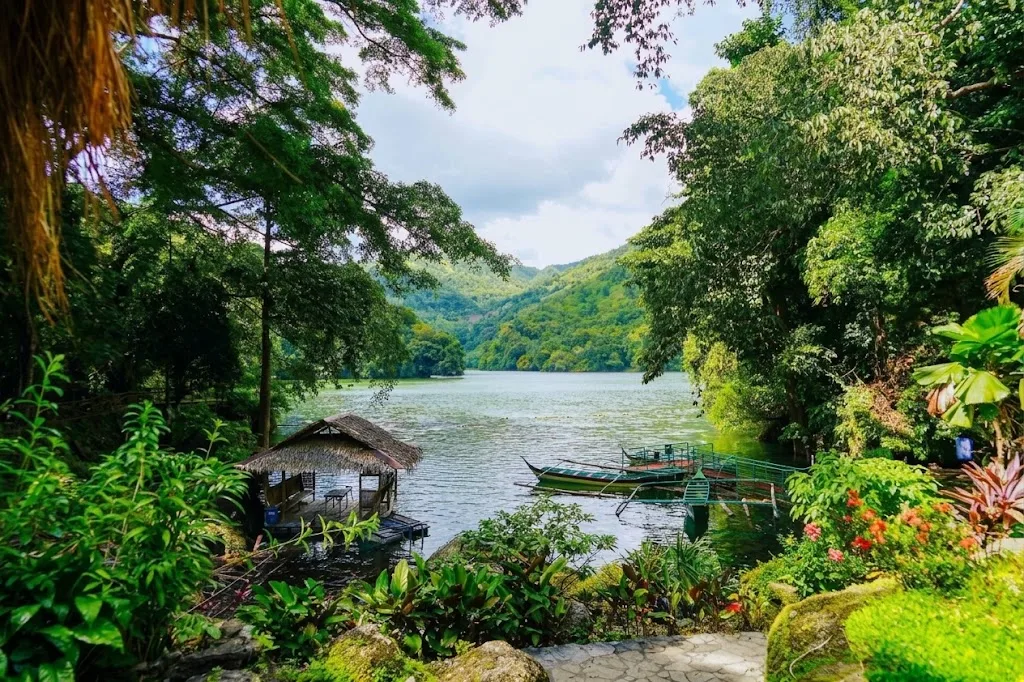
Negros Oriental is widely recognized for its diverse natural resources, scenic landscapes, and commitment to environmental conservation. Among the attractions that contribute to sustainable tourism development are native tree parks, which serve as important spaces for biodiversity protection, environmental education, and outdoor recreation. By preserving indigenous tree species and promoting ecological awareness, native tree parks play a significant role in the development of environmental tourism in Negros Oriental.
Understanding Environmental Tourism
Environmental tourism focuses on travel experiences that encourage appreciation, conservation, and responsible use of natural resources. Unlike conventional tourism activities, environmental tourism emphasizes learning about ecosystems, protecting biodiversity, and supporting sustainable practices. Native tree parks provide visitors with opportunities to experience nature while gaining a deeper understanding of environmental stewardship and conservation efforts.
Conserving Native Tree Species
Native trees are essential components of healthy ecosystems because they support local wildlife, maintain soil stability, and contribute to climate regulation. Tree parks dedicated to indigenous species help preserve biodiversity by protecting plants that are naturally adapted to local environmental conditions. These conservation efforts contribute to the long-term sustainability of Negros Oriental's natural resources.
Enhancing Environmental Education
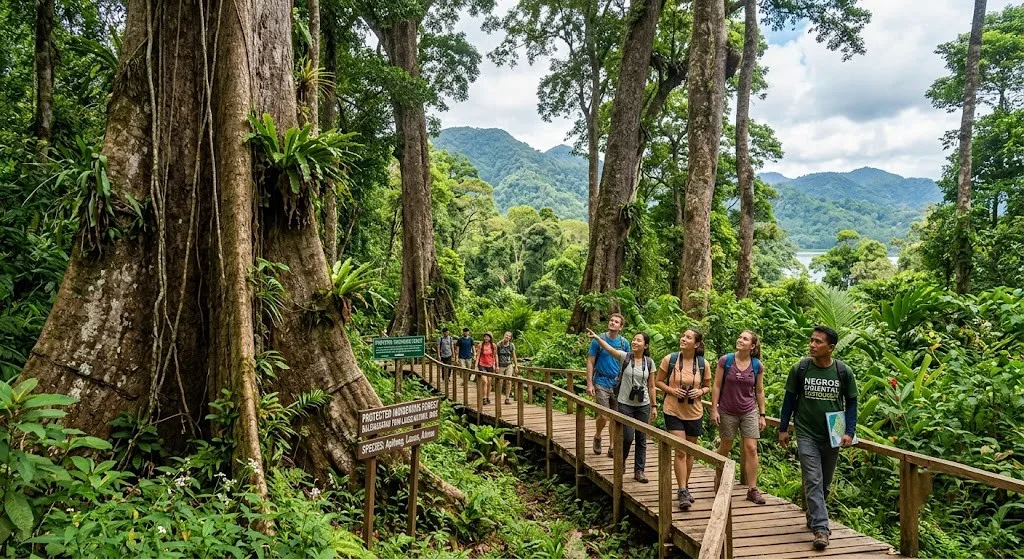
Native tree parks serve as outdoor classrooms where visitors can learn about ecology, forestry, and biodiversity conservation. Educational programs, interpretive signs, and guided nature walks provide opportunities for tourists, students, and community members to understand the ecological importance of native trees. Such experiences encourage greater environmental awareness and responsibility.