Learning the Work Behind Public Service
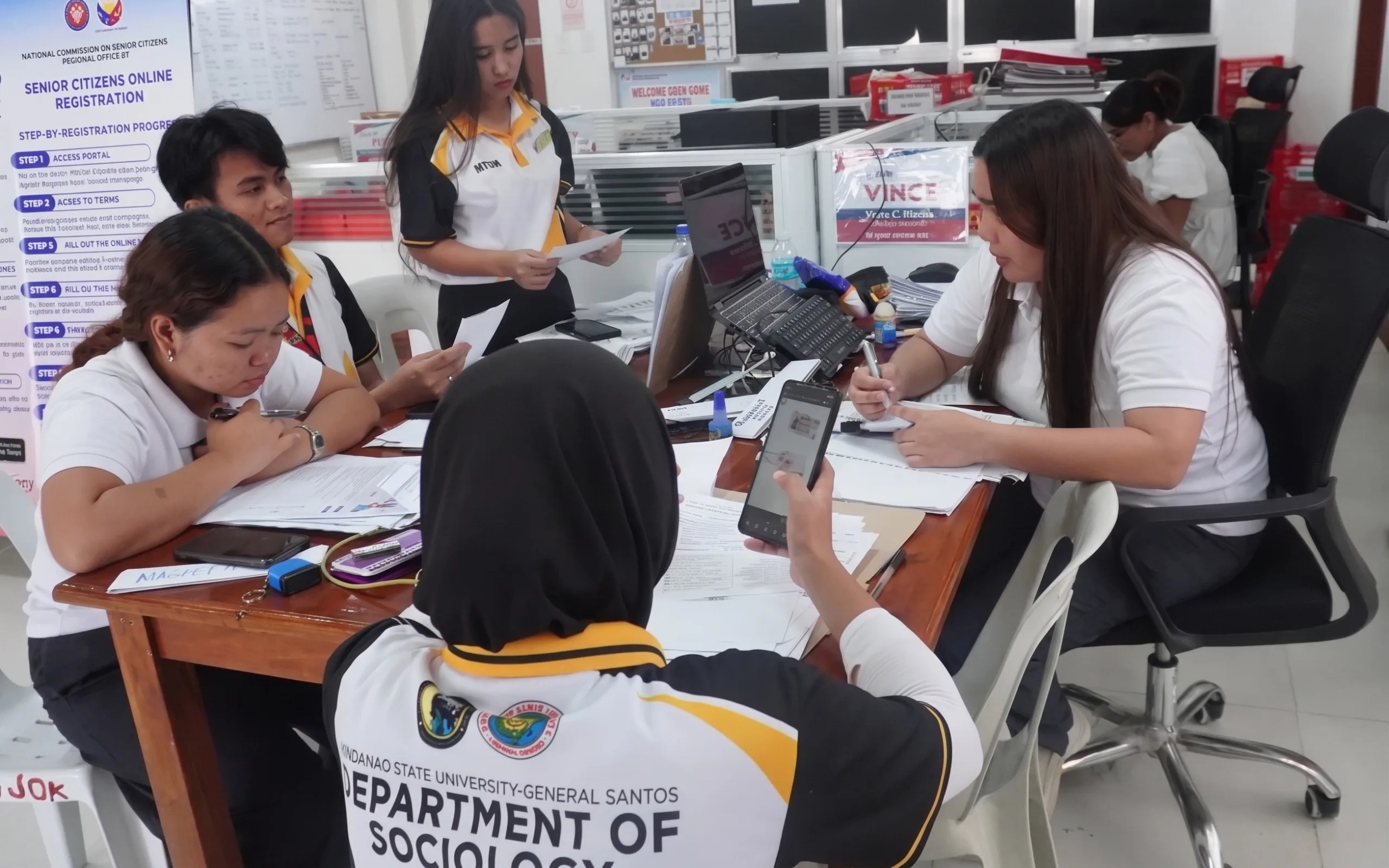
GENERAL SANTOS CITY- Internships and workplace training give participants an opportunity to see how public institutions operate beyond what they learn in classrooms or training sessions. Depending on their assignments, trainees may assist with administrative tasks, organize records, support office activities, or help staff manage routine responsibilities. These experiences can develop communication, teamwork, time management, and professional discipline. For GIP participants and OJT trainees connected with NCSC XII, their reported contributions offer a reminder that even supporting roles can matter in the delivery of services. The specific duties and number of trainees recognized were not independently confirmed from the accessible reference.
GIP and OJT: Different Paths to Practical Experience
The Government Internship Program is a Department of Labor and Employment initiative that provides eligible participants with temporary work experience in government service. In a May 1, 2026, report, the Department of Labor and Employment discussed the program alongside other employability initiatives and announced a partnership with the Department of Health for the deployment of GIP interns across its offices. OJT, meanwhile, generally refers to practical workplace training undertaken as part of an educational or training requirement. Although the two arrangements can involve learning through actual work, they have different program purposes and eligibility arrangement
Why Recognizing Trainees Matters
Recognition can help highlight the effort trainees contribute while they learn the standards and responsibilities expected in a professional setting. For those considering careers in public service, exposure to office procedures and interactions with the public can provide useful preparation for future employment. In an agency such as NCSC XII, whose mandate centers on the rights and welfare of senior citizens, understanding the importance of respectful and responsible service is particularly relevant. The commission maintains its regional office in General Santos City, providing an official point of reference for its presence in SOCCSKSARGEN.The recognition described in the supplied post can therefore be presented as an acknowledgment of trainee participation, without attributing specific achievements that the available sources do not establish.