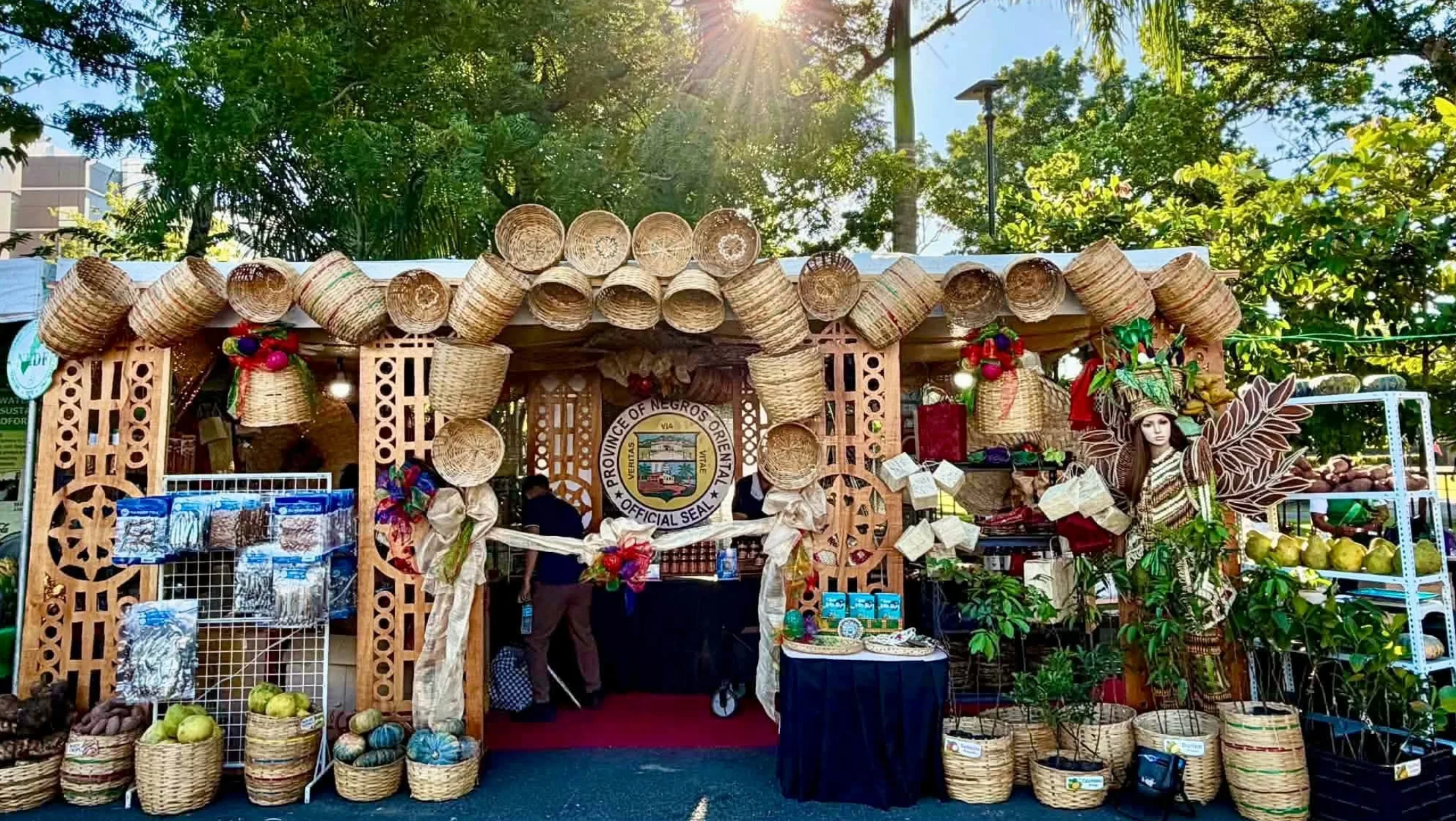
Negros Oriental is strengthening its commitment to sustainable agriculture as the province joins the 19th Negros Island Organic Farmers’ Festival, held from November 17 to 21, 2026, at the Provincial Capitol Grounds in Bacolod City. Represented by Provincial Agriculturist Manny Cadyuac, the province takes part in the celebration to recognize the importance of organic farming, support local farmers, and promote agricultural practices that benefit both communities and the environment.
Promoting Organic Agriculture and Sustainable Farming
Carrying the theme “Organic Abanse Negrense: From Local Roots to Global Impact,” this year’s festival highlights the value of organic agriculture in building a healthier and more sustainable food system. It brings attention to farming practices that encourage responsible use of natural resources while helping protect the environment. Through its participation, Negros Oriental joins other agricultural communities in recognizing how organic farming can contribute to long-term food security and more resilient local economies.
Recognizing the Important Role of Local Farmers
The festival also puts the spotlight on the farmers whose dedication and hard work help sustain food production across Negros Island. Their contributions are essential in providing locally grown products and supporting the agricultural industry. By taking part in the event, Negros Oriental highlights its continued commitment to supporting local farmers, encouraging agricultural innovation, and creating opportunities that can help improve their livelihoods.
Bringing Local Products Toward a Wider Market
Beyond promoting sustainable farming, the celebration emphasizes the potential of locally produced agricultural goods to reach a wider market. Connecting local roots with global opportunities can help strengthen the value of farmers’ products and encourage the continued growth of the agricultural sector. Negros Oriental’s participation reflects its goal of building a more sustainable future through stronger support for farming communities, improved livelihood opportunities, and responsible agricultural development.