


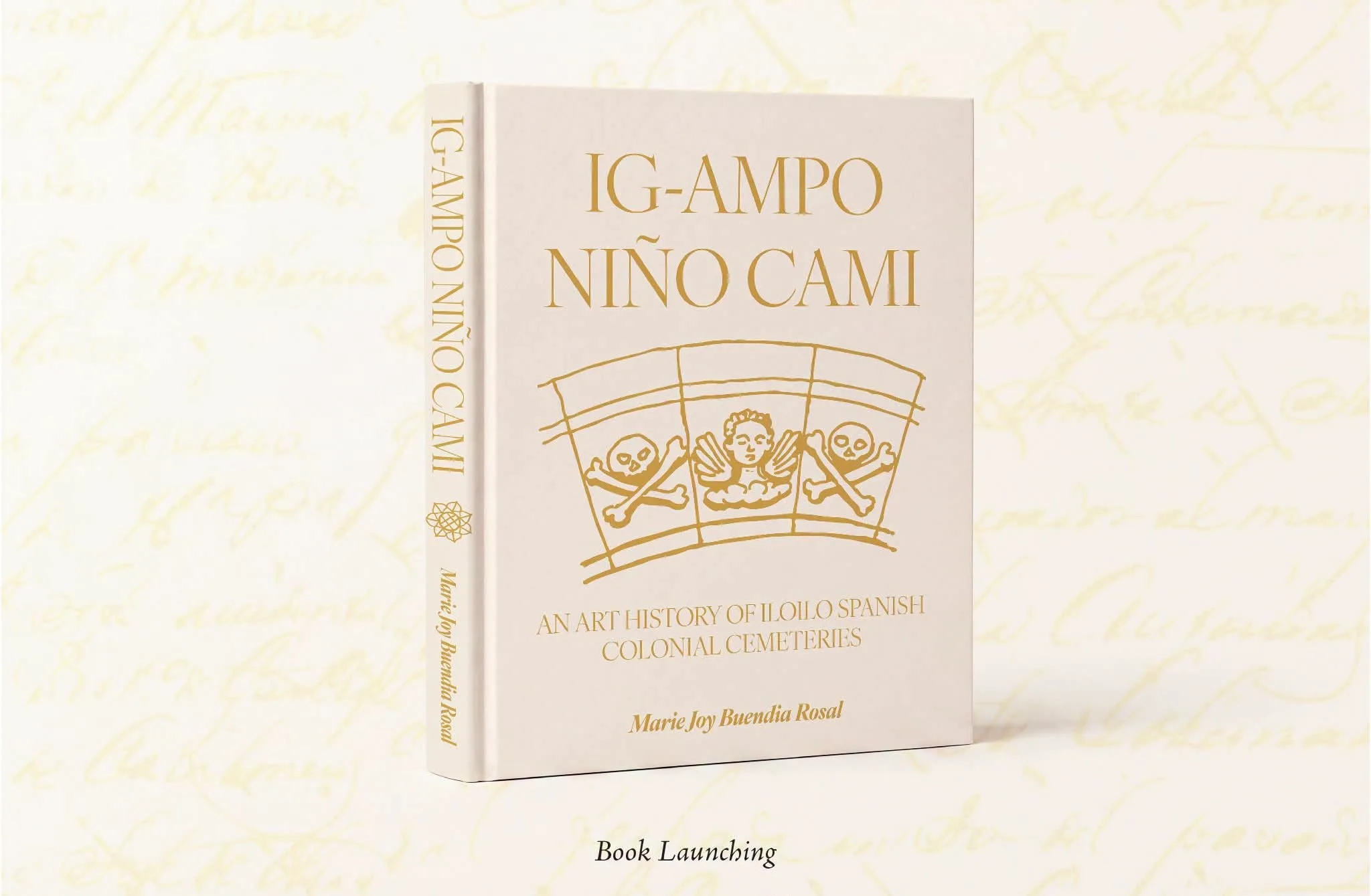
ILOILO — The National Historical Commission of the Philippines will launch a book documenting eight surviving Spanish colonial cemeteries in Iloilo on October 6, 2026, at the University of the Philippines Visayas. The publication sheds light on a neglected chapter of the province's built heritage.
A Scholarly Work Brought to a Wider Audience
The book, titled "Ig-Ampo Niño Cami: An Art History of Iloilo Spanish Colonial Cemeteries," was written by Marie Joy Buendia Rosal and published by the NHCP. It examines the history, architecture, artistic details, and symbolism of cemeteries in Oton, Dingle, Janiuay, Santa Barbara, Pototan, Cabatuan, San Joaquin, and Miag-ao.
The launch will be held at the MACH Performance Hall of UPV. The venue choice reflects the academic roots of the project. Rosal's work began as a master's thesis at the University of the Philippines in 1995, and the NHCP publication now brings that earlier scholarship to a much broader readership.
Exploring Faith, Memory, and Artistry
The book explores the religious and funerary culture of Iloilo during the Spanish colonial period through the cemeteries' architectural and artistic features. It presents these sites not merely as burial grounds but as spaces reflecting faith, memory, artistry, and community life.
While studies of Iloilo's colonial heritage have largely centered on churches, ancestral houses, plazas, and monuments, Rosal's work turns attention to cemetery architecture. This comparatively understudied aspect of the province's built heritage offers fresh insights into how Ilonggos of the past honored their dead and expressed their spiritual beliefs.
Preserving a Neglected Heritage
The publication underscores the historical and cultural significance of these cemeteries and the urgent need for their preservation. Many of these structures face deterioration from neglect, weathering, and urban development. Documenting them through scholarly research is a crucial step toward ensuring their survival.
By highlighting the artistic and architectural value of these sites, the book makes a compelling case for their protection. It also provides local government units and heritage advocates with a reference for restoration and conservation efforts. The cemeteries represent a tangible link to the colonial past that continues to shape Iloilo's identity.
The NHCP's Mandate for Heritage Protection
The NHCP is the government agency tasked with promoting and preserving Philippine history and heritage. Its work encompasses research and publication, conservation of historic sites and structures, historical markers, heraldry, and the administration of national shrines and museums.
This book launch forms part of the commission's ongoing efforts to document and protect the country's lesser-known heritage assets. By publishing scholarly works like Rosal's, the NHCP ensures that important historical research reaches the public and informs future preservation policies.
A Milestone for Ilonggo Heritage Studies
The launch of "Ig-Ampo Niño Cami" marks a significant contribution to the study of Ilonggo heritage. It invites readers to see cemeteries as more than solemn places of mourning; they are repositories of art, history, and collective memory that deserve recognition and care.
