Dumaguete City is known for its educational institutions, coastal attractions, cultural landmarks, and welcoming atmosphere. Beyond its well-known tourist destinations, the city contains older buildings and structures that reflect different periods of its urban development. These buildings provide visible connections to the city's past and demonstrate how architecture can preserve stories about local communities, education, commerce, religion, and everyday life. Through the preservation and appreciation of these structures, old Dumaguete buildings contribute to the development of architectural heritage tourism in the city.
Understanding Architectural Heritage Tourism
Architectural heritage tourism involves visiting buildings, streets, districts, and structures that possess historical, cultural, or architectural significance. Travelers interested in heritage tourism often explore destinations to understand how communities developed and how architectural styles changed over time. In Dumaguete, older structures can provide visitors with opportunities to experience the city's historical character while learning about its cultural development.
Preserving Historical Character
Old buildings serve as physical reminders of earlier generations. Their architectural details, materials, layouts, and decorative elements can reveal information about the period in which they were constructed. Preserving these features helps maintain connections between Dumaguete's present-day urban environment and its historical identity.
Showcasing Architectural Styles
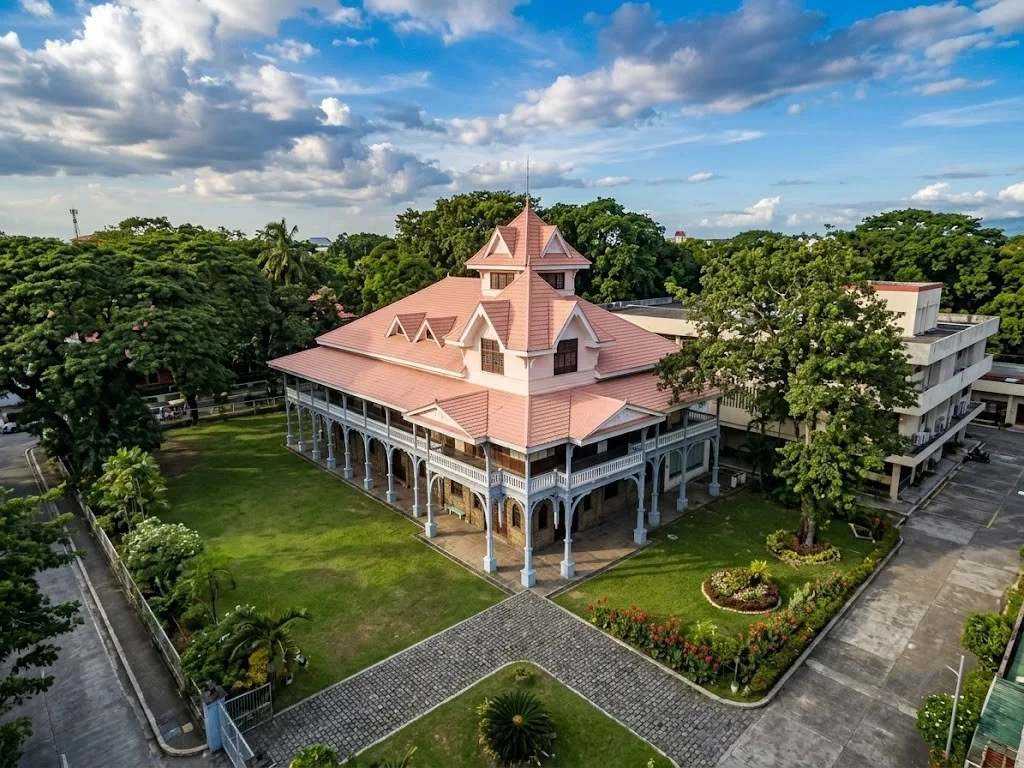
Historic structures may demonstrate different architectural influences that have shaped Dumaguete over time. Elements such as wooden features, traditional windows, concrete facades, decorative details, and older building layouts can reflect changing architectural preferences. These characteristics provide opportunities for visitors to appreciate architecture as part of the city's cultural heritage.