


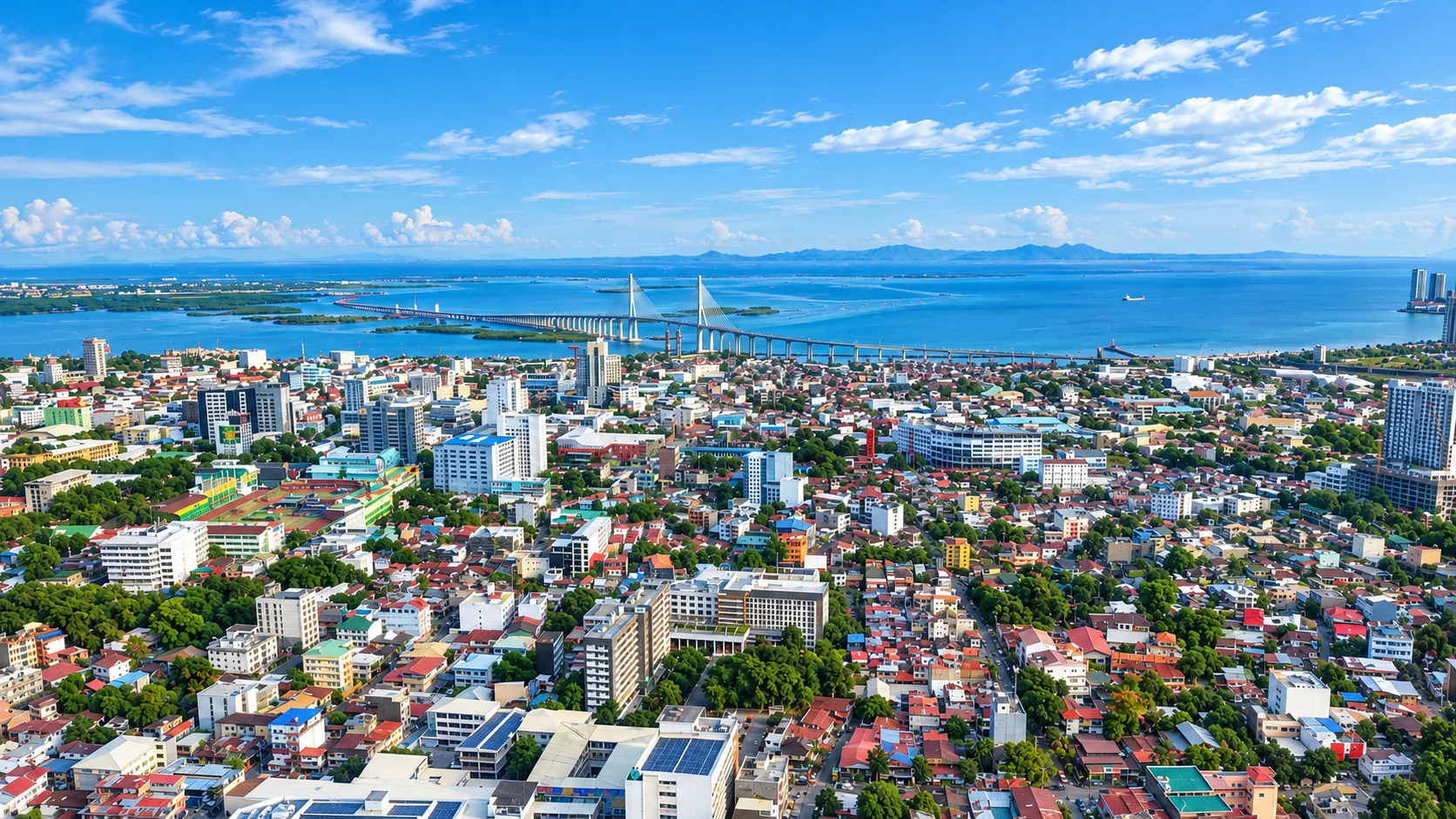
CEBU — One year after a magnitude 6.9 earthquake tore through northern Cebu on September 30, 2025, the region stands rebuilt, resilient, and united. The anniversary commemorates both the lives lost and the extraordinary recovery achieved through bayanihan and sustained government action.
The Night the Ground Roared
At 9:59 p.m. on that quiet Tuesday, the earth convulsed violently off the coast of Bogo City. The shallow quake struck just 5 kilometers deep, sending Intensity VII shaking across Medellin, San Remigio, and Daanbantayan. Power grids collapsed, plunging entire towns into darkness as residents fled their swaying homes.
Shockwaves rippled as far as Leyte, Samar, Antique, and parts of Mindanao. When the trembling finally stopped, families emerged into dust-filled streets, uncertain of what remained standing. The night marked the beginning of northern Cebu's greatest test of endurance.
Destruction and Displacement
Dawn on October 1 revealed the sobering toll. Highways split open with deep fissures. Bridges cracked, severing supply routes. Churches, municipal halls, and schools suffered structural damage. Coastal communities endured soil liquefaction while upland barangays faced landslides that buried roads and isolated farms.
Tens of thousands fled to open fields, gymnasiums, and improvised tent cities. Hospitals ran on generators, treating casualties in open-air triage units. Hundreds of aftershocks kept nerves frayed. Yet even in those harrowing hours, the Cebuano spirit refused to yield.
Bayanihan Ignites in the Darkness
Before official convoys could navigate damaged roads, neighbors dug through rubble with bare hands. Flashlight beams and smartphone screens lit rescue efforts. Youth formed search teams. Store owners distributed canned goods and water freely. Motorcyclists became emergency couriers between isolated villages.
This spontaneous solidarity became northern Cebu's first lifeline. Communities fed, sheltered, and comforted one another. The bayanihan spirit transformed victims into heroes, proving that mutual aid remains the Philippines' most powerful disaster response.
National Support and Lasting Reconstruction
The Provincial Government declared a state of calamity, mobilizing emergency reserves. National agencies including DSWD and DPWH deployed heavy machinery, food packs, and engineering teams. UNHCR Philippines, Cebu Caritas, and the Philippine Red Cross established coordination centers in Bogo City.
Recovery prioritized building back better. Engineers retrofitted bridges and repaved highways with seismic-resilient specifications. Schools were reinforced to meet safety codes. Families in liquefaction zones received permanent, earthquake-resistant housing in safer locations. The rebuild focused not just on replacing structures but on protecting lives.
Livelihoods Reborn, Institutions Strengthened
Agricultural agencies and cooperatives provided grants, farming inputs, and fishing boats. Bogo City's central market reopened, buzzing with vendors and commerce once more. Coastal fisherfolk returned to sea, and micro-entrepreneurs resumed operations. The economic rebound reflected the tenacity of a people unwilling to surrender.
The disaster also catalyzed institutional reforms. Local governments modernized disaster response systems, upgraded early warning networks, and expanded community-based training to the sitio level. Earthquake drills became routine. Building inspections tightened. Painful lessons became permanent, lifesaving policies for future generations.
A Year of Extraordinary Resilience
Today, northern Cebu stands as a testament to human endurance. Physical reminders remain in quiet corners, but they symbolize survival rather than defeat. Towns once shrouded in dust and panic now thrive with reconstructed homes and renewed energy.
The story of this past year was never defined by the earthquake's magnitude, but by the overwhelming strength of the Cebuano spirit. Through courage, solidarity, and hope, the region has risen stronger, safer, and more united.
