Bringing Farm-Based Education into Focus
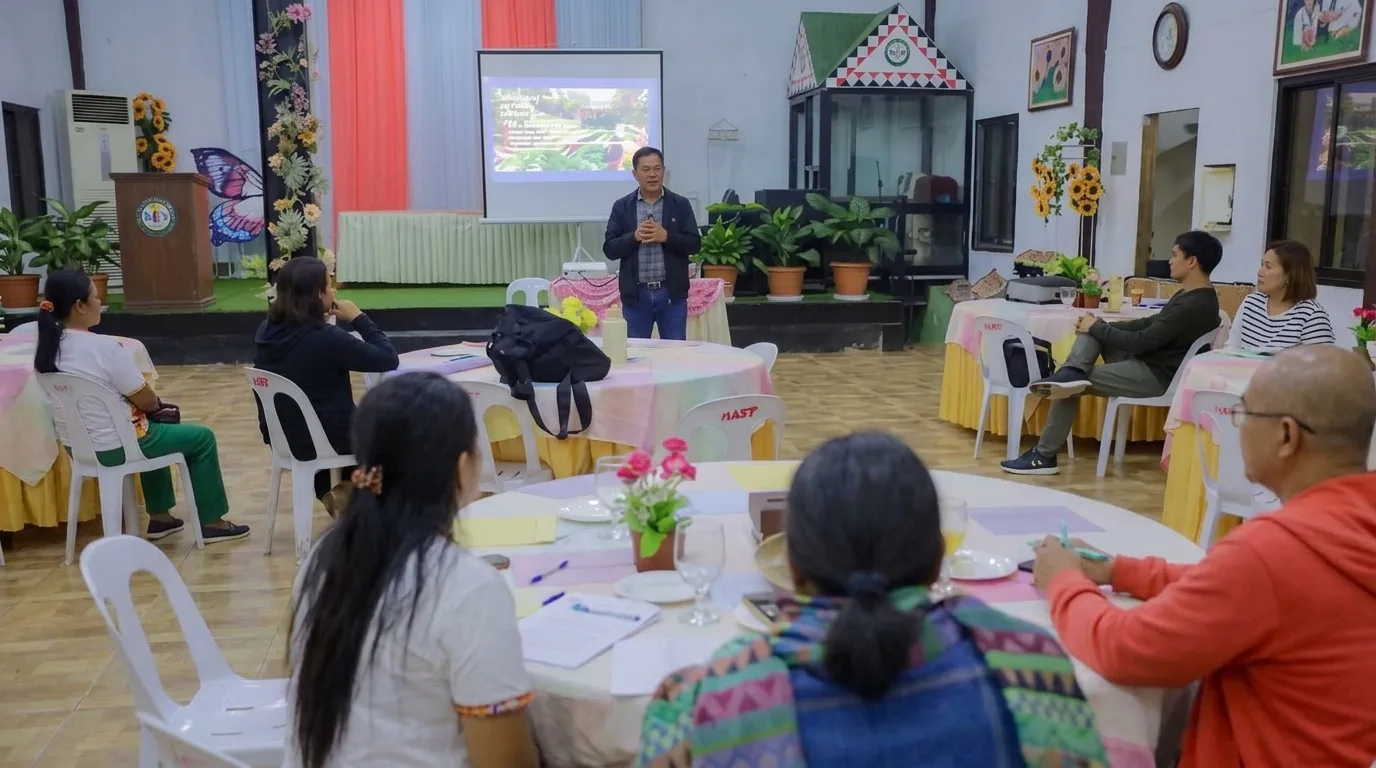
OZAMIZ CITY- The Rural Farm School program provides an alternative approach to secondary education by combining classroom subjects with practical agricultural learning. Through the immersion and learning visit, participants have an opportunity to become more familiar with the program's approach and its connection to farming and fisheries. Rather than treating agriculture as a topic limited to textbooks, the RFS framework recognizes the value of understanding actual rural activities. This makes agricultural education more connected to the environment and livelihood practices found in farming communities.
Learning Through Real Agricultural Environments
Under Republic Act No. 10618, Rural Farm Schools are designed to provide experiential learning with an emphasis on agriculture and fisheries. The curriculum combines core secondary education subjects with additional learning in Agri-Fishery Arts, farm entrepreneurship, and related fields. Learning visits can provide useful opportunities to observe how these areas connect with practical applications. They also encourage participants to appreciate the knowledge and skills needed to support agricultural productivity.
Growing Interest in Agriculture Through Education
The importance of Rural Farm Schools extends beyond academic instruction because agricultural knowledge can also prepare learners for future livelihood opportunities. Understanding farming practices, resource management, and agricultural entrepreneurship can help young people recognize the different possibilities within the sector. For Ozamiz City, activities centered on agricultural education provide an opportunity to highlight the relationship between learning and rural development. The RFS immersion initiative reflects the value of making education relevant to the communities and industries that shape everyday life.