


When Grocery Money Has to Stretch Further
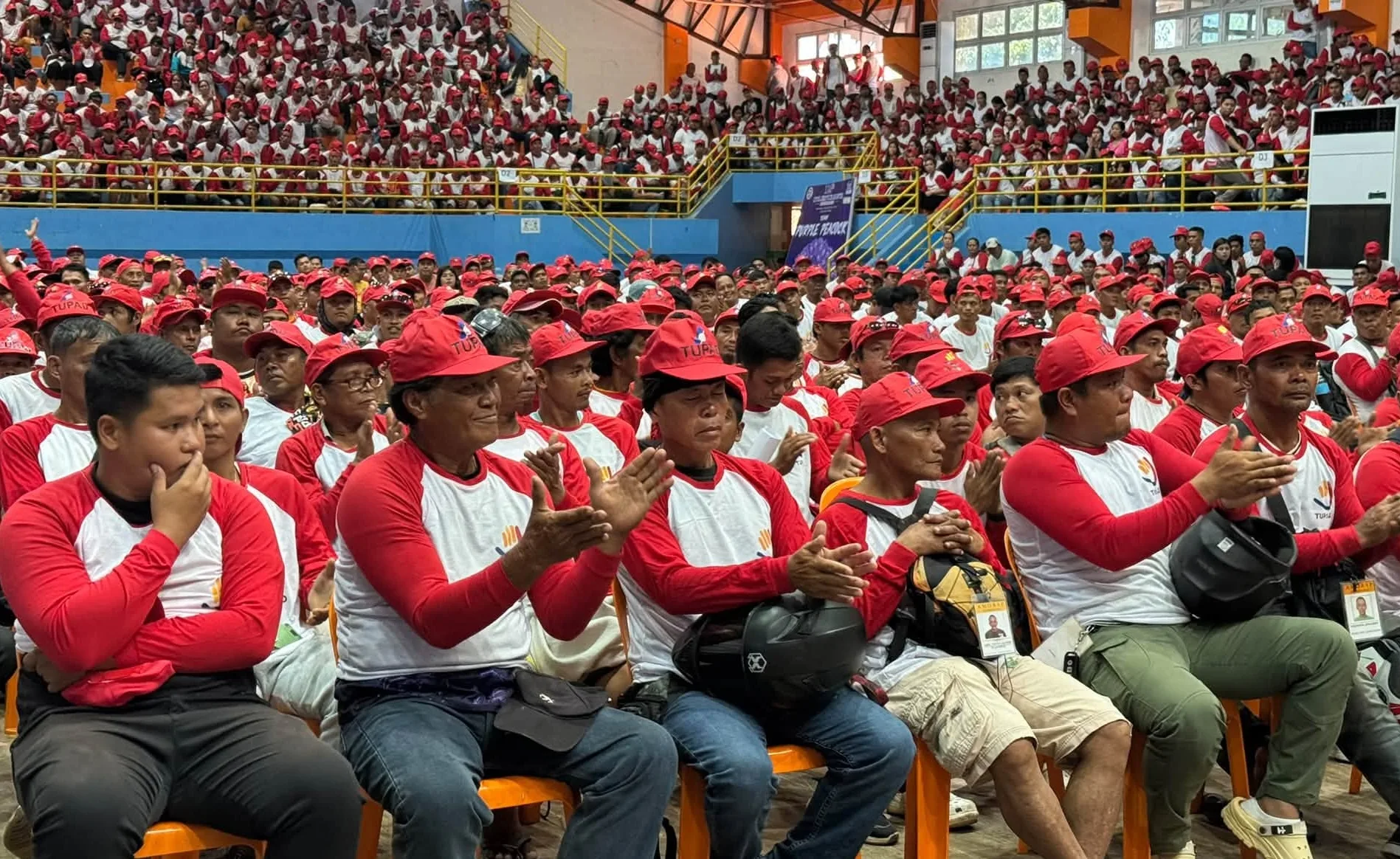
OZAMIZ CITY - For many working families, planning meals begins with a practical question: how much can the household afford to spend at the market? Rice is a staple, but a family meal may also require vegetables, fish, meat, seasonings, and cooking fuel, with prices varying according to the product and seller. Transportation costs can add another expense, particularly for households that need to travel to purchase groceries. The financial assistance reported for more than 2,000 construction workers is therefore relevant to a wider discussion about the pressures families face when managing daily budgets. Although the announcement does not establish how individual beneficiaries used the money, additional financial support can give households more room to address competing needs.
The Everyday Filipino Meal Deserves Attention
A pot of tinola, a serving of grilled fish, or a simple meal of rice and sautéed vegetables reflects the everyday cooking found in many Filipino homes. These dishes do not require elaborate presentation to matter; what counts is having ingredients available and preparing meals that suit a family's budget and preferences. For construction workers who spend their days on physically demanding jobs, regular meals are also an important part of maintaining energy throughout the workday. Financial assistance does not automatically guarantee better nutrition, but economic support can be relevant when households decide how to allocate money for food and other essentials. In Ozamiz and nearby communities, this makes food affordability a worthwhile angle for examining how worker support relates to ordinary family life.
Recognizing the People Who Help Build the Province
The reported assistance also draws attention to the workers behind roads, bridges, schools, and public facilities across Misamis Occidental. Their contribution is visible in the structures communities use, but their own household responsibilities continue long after a workday ends. Grocery shopping, preparing dinner, paying utility bills, and covering transportation remain part of the routine that keeps a household running. Support that helps ease financial pressure deserves attention not only as a labor story but also as a reminder of the everyday needs of working families. For readers interested in Ozamiz's food culture, the story offers a grounded perspective: access to familiar home-cooked meals is connected not only to culinary traditions but also to the resources families have available.
