


Dumaguete City is widely known for its educational institutions, cultural landmarks, and welcoming atmosphere. Beyond its popular tourist attractions, the city is also home to unique culinary traditions that reflect its local identity and heritage. One of the most enduring of these traditions is the painitan, a gathering place where residents and visitors enjoy native delicacies and hot beverages during the early hours of the day. Through its cultural significance and continuing popularity, the painitan tradition contributes to the preservation of culinary heritage tourism in Dumaguete City.
Promoting Culinary Heritage Tourism
Culinary heritage tourism involves exploring destinations through traditional food practices, local recipes, and cultural dining experiences. The painitan tradition supports this form of tourism by providing visitors with opportunities to experience authentic local flavors that have been enjoyed by generations of Dumaguete residents. These culinary experiences allow travelers to connect with the city's history and cultural identity through food.
Preserving Traditional Food Culture
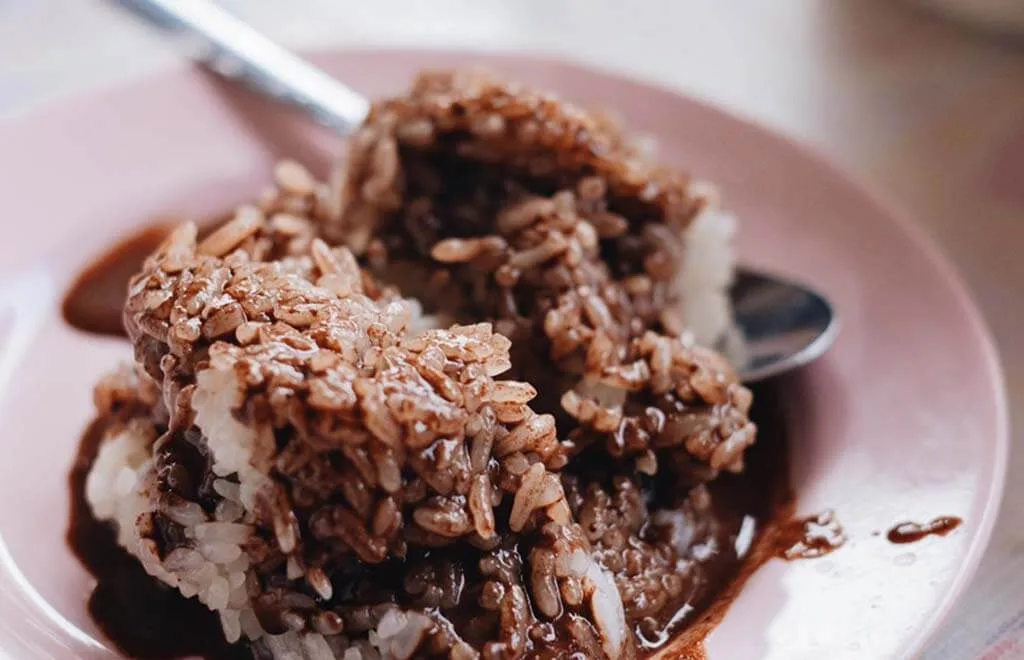
Painitan establishments are known for serving traditional Filipino delicacies such as puto, budbud, tsokolate, sikwate, and other native snacks. These foods represent important elements of local culinary heritage that have been passed down through generations. By maintaining these traditional offerings, the painitan tradition helps preserve local food culture and ensures that valuable culinary knowledge remains part of the community's identity.
Enhancing Visitor Experiences
Modern travelers increasingly seek authentic experiences that provide insight into local lifestyles and traditions. Visiting a painitan allows tourists to observe daily community life while enjoying traditional food and beverages in a relaxed setting. These experiences create meaningful memories and offer a deeper understanding of Dumaguete's cultural heritage.
