


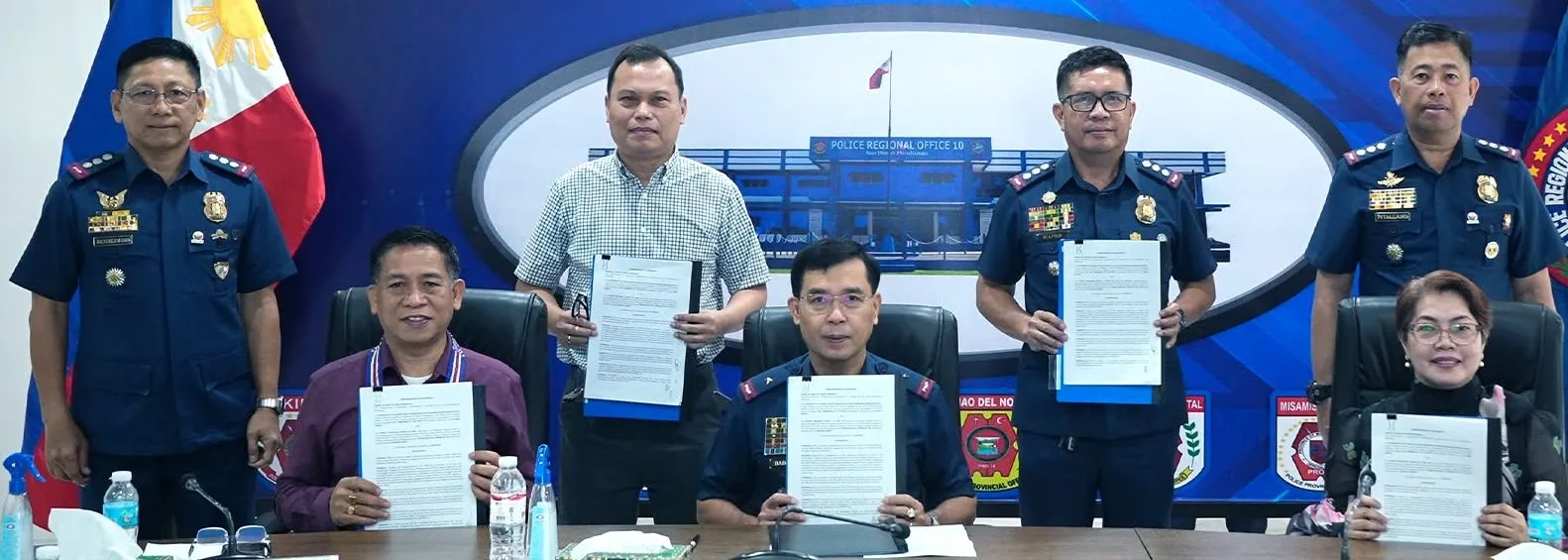
A Partnership Built Around Evidence and Community Feedback
OZAMIZ CITY - USTP's Center for Inclusive Development Studies has previously worked with PRO 10 on community-engagement research, including surveys examining people's perceptions of safety and security, respect, and trust in the police. A USTP research document covering Region 10 described the survey as a feedback mechanism intended to help PRO 10 assess its community engagement and identify areas for improvement. The research involved respondents from different parts of Northern Mindanao, including Misamis Occidental. That history gives the reported renewal a practical foundation: academic research can provide police officials with information about how communities view their services instead of relying only on operational statistics.
USTP and PRO 10 Have Already Worked on Police-Related Research
The collaboration is not entirely new. A USTP study on police-community engagement documented cooperation between USTP and PRO 10 and examined satisfaction across safety and security, respect, and trust indicators. A separate professional publication from the PNP's Center for Police Strategy Management also described the formalization of the collaboration through a memorandum of agreement and noted that USTP researchers had been engaged as third-party surveyors for PRO 10. These previous efforts show how a university can contribute research expertise while the police organization supplies the operational setting and community concerns that the research seeks to understand. The reported five-year renewal therefore represents a continuation of an established type of cooperation rather than the creation of an entirely unfamiliar relationship.
Why the Partnership Matters to Communities Like Ozamiz
For communities such as Ozamiz, the value of an academic-police partnership is not simply the signing of another agreement. Research can provide another way to identify what residents think about police visibility, responsiveness, respect, and engagement, while police agencies can use those findings when reviewing community-oriented programs. USTP's work with PRO 10 has previously included respondents and research activity covering Misamis Occidental, giving the province a place within the broader regional picture. The reported five-year renewal could therefore provide a longer period for the institutions to continue examining community feedback and developing evidence-based approaches to police service, although the specific activities covered by the renewed agreement should be confirmed from the signed MOA itself.
