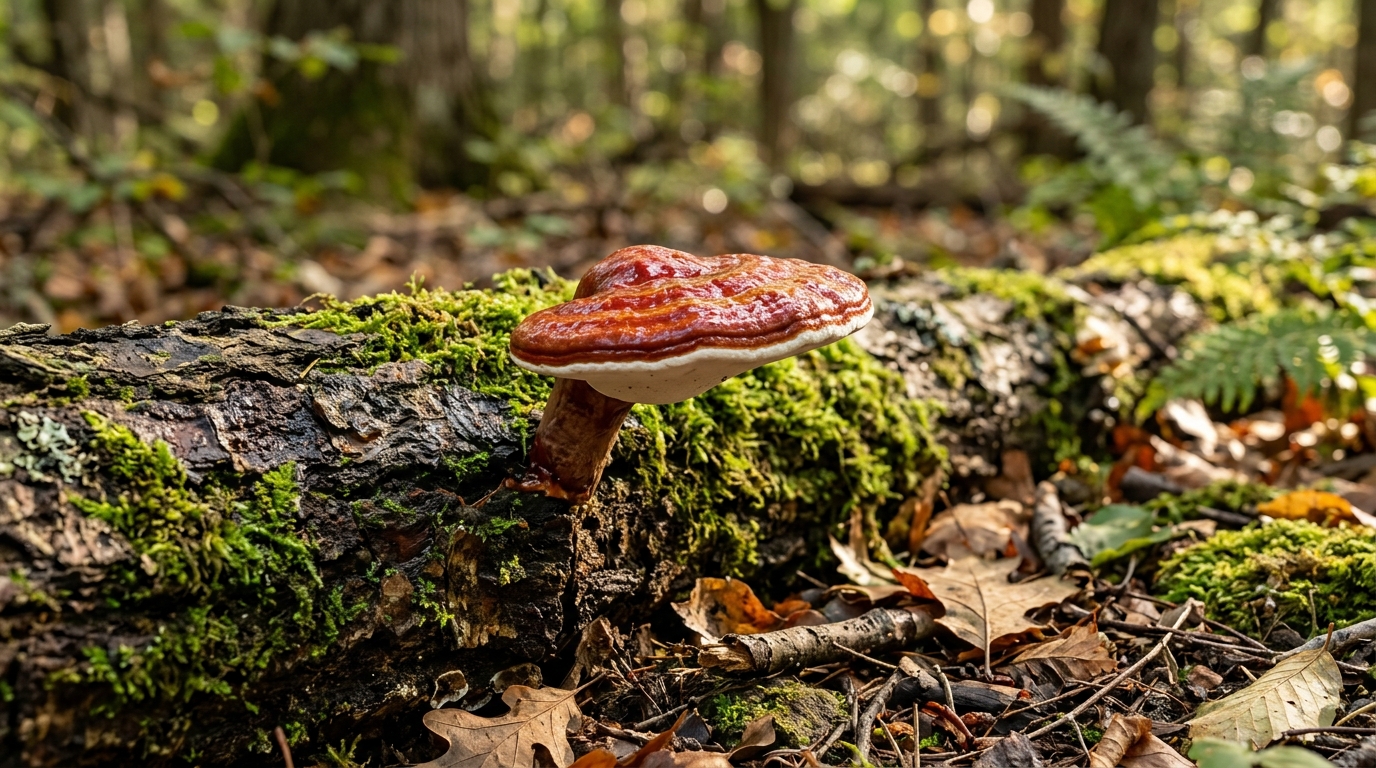
PHILIPPINES — The Reishi mushroom, scientifically known as Ganoderma lucidum, has captivated researchers and health enthusiasts alike for its remarkable bioactive compounds. Cultivated through modern biotechnology, this rare wood-degrading fungus now reaches more people than ever before.
A Mushroom Rooted in Ancient Healing
Reishi has been valued for centuries in traditional wellness practices across Asia. Its rarity in the wild once made it accessible only to royalty and the wealthy. Today, artificial cultivation on wood logs, sawdust bags, and in bioreactors has made it widely available.
Modern science now confirms what ancient healers long believed. The mushroom contains powerful natural compounds that interact with the human body in measurable ways. Researchers have identified two major groups of active substances responsible for its health-supporting properties.
Triterpenoids: The Body’s Natural Helpers
Triterpenoids are bitter compounds found abundantly in Reishi. These molecules have shown remarkable potential in supporting liver health by shielding liver cells from damage caused by toxins and oxidative stress. Studies suggest they help the body process harmful substances more efficiently.
Research also points to cardiovascular benefits. Certain triterpenoids appear to help maintain healthy blood pressure by relaxing blood vessels naturally. They may also support balanced cholesterol levels through mechanisms that regulate how the liver produces and processes fats.
Additional studies have explored their role in managing allergic responses. By stabilizing cells that release histamine, these compounds may help reduce seasonal allergy discomfort. Scientists continue investigating their broader effects on inflammation and cellular health.
Polysaccharides: The Immune Architects
Polysaccharides, particularly beta-D-glucans, form the second major group of active compounds in Reishi. These complex carbohydrates do not simply boost immunity; they help regulate it. They bind to specific receptors on immune cells, triggering a balanced defensive response.
This immunomodulating effect means the body responds more appropriately to threats without overreacting. Research indicates enhanced activity of natural killer cells and macrophages, both crucial for identifying and eliminating abnormal cells. The immune system becomes more alert and responsive.
Polysaccharides also provide antioxidant support against free radicals, unstable molecules that damage cells over time. By neutralizing these harmful particles, they may help slow cellular aging and reduce mutation-related damage. This protective action extends to various tissues throughout the body.
Modern Cultivation for Purity and Potency
Wild Reishi mushrooms are extremely rare, growing only on specific decaying hardwood trees. To meet growing demand, producers use two primary methods. Solid-state fermentation on sawdust or logs produces actual fruiting bodies, while liquid bioreactors grow mycelium in controlled environments.
Liquid cultivation offers significant advantages for supplement production. Precise control over nutrients, temperature, and oxygen yields highly standardized extracts with consistent potency. This method also eliminates contamination risks from heavy metals or pesticides.
An Important Note on Responsible Use
Reishi is a nutritional supplement, not a substitute for medical treatment or prescribed medications. Individuals taking blood thinners, immunosuppressants, or blood pressure medications should consult a healthcare professional before use. Pregnant and nursing women should also seek medical advice.