A Forest Ecosystem Worth Understanding
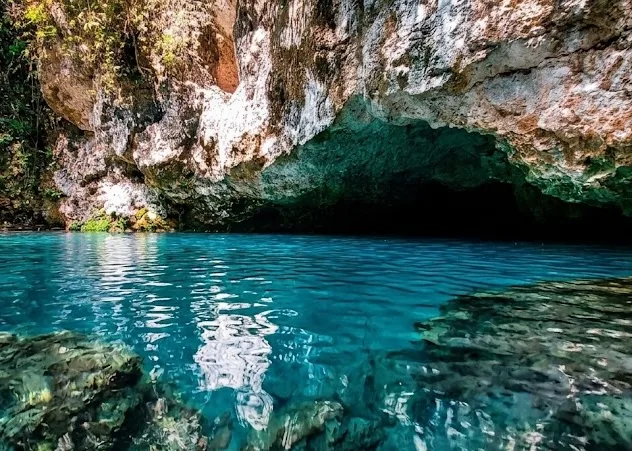
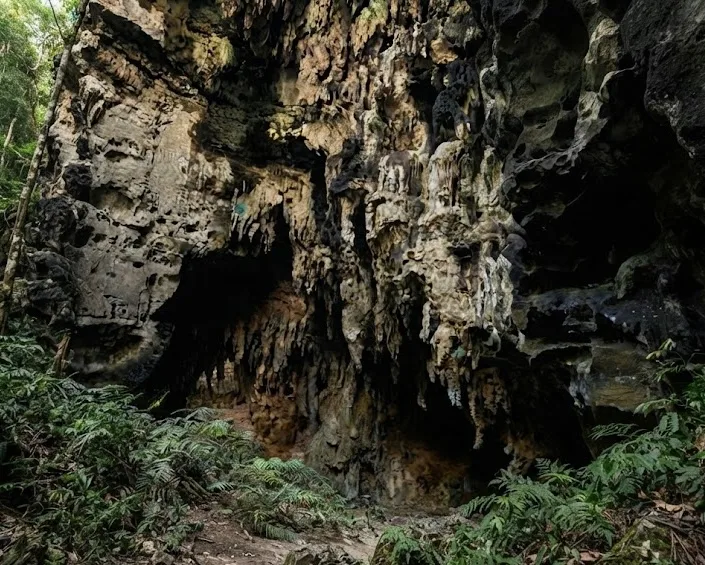
GENERAL SANTOS CITY- Klaja Karst is not simply a landscape of limestone formations and vegetation; it is a habitat supporting different forms of life that contribute to ecological balance. A 2021 scientific study published in the Asian Journal of Biodiversity documented 22 species of dragonflies and damselflies in the K'laja Karst Ecotourism Park, with more than 45 percent of the recorded species identified as Philippine endemics. The researchers also observed differences in species distribution between shaded river-adjacent habitats and more open, cultivated areas. These findings demonstrate why studying individual species and their habitats matters when assessing the condition of a natural environment. Protecting the forest therefore means considering the many organisms that depend on its different ecological conditions.
Looking Beneath the Trees for Answers
The 2026 research initiative led by DOST-PCAARRD and MSU-General Santos takes a broader scientific approach to understanding the watershed. Its research covers tree and understory vegetation, birds, bats, reptiles, amphibians, insects, and soil microorganisms across fragmented forest areas. Researchers also intend to use spatial analysis and species distribution modeling to identify biodiversity hotspots and locations that deserve conservation attention. These methods can help explain how forest fragmentation affects wildlife populations, habitat conditions, and the ecological processes that support watershed health. Instead of relying on general observations alone, the project aims to develop detailed scientific information that can guide future conservation decisions.
Protecting Water Through Better Land Management
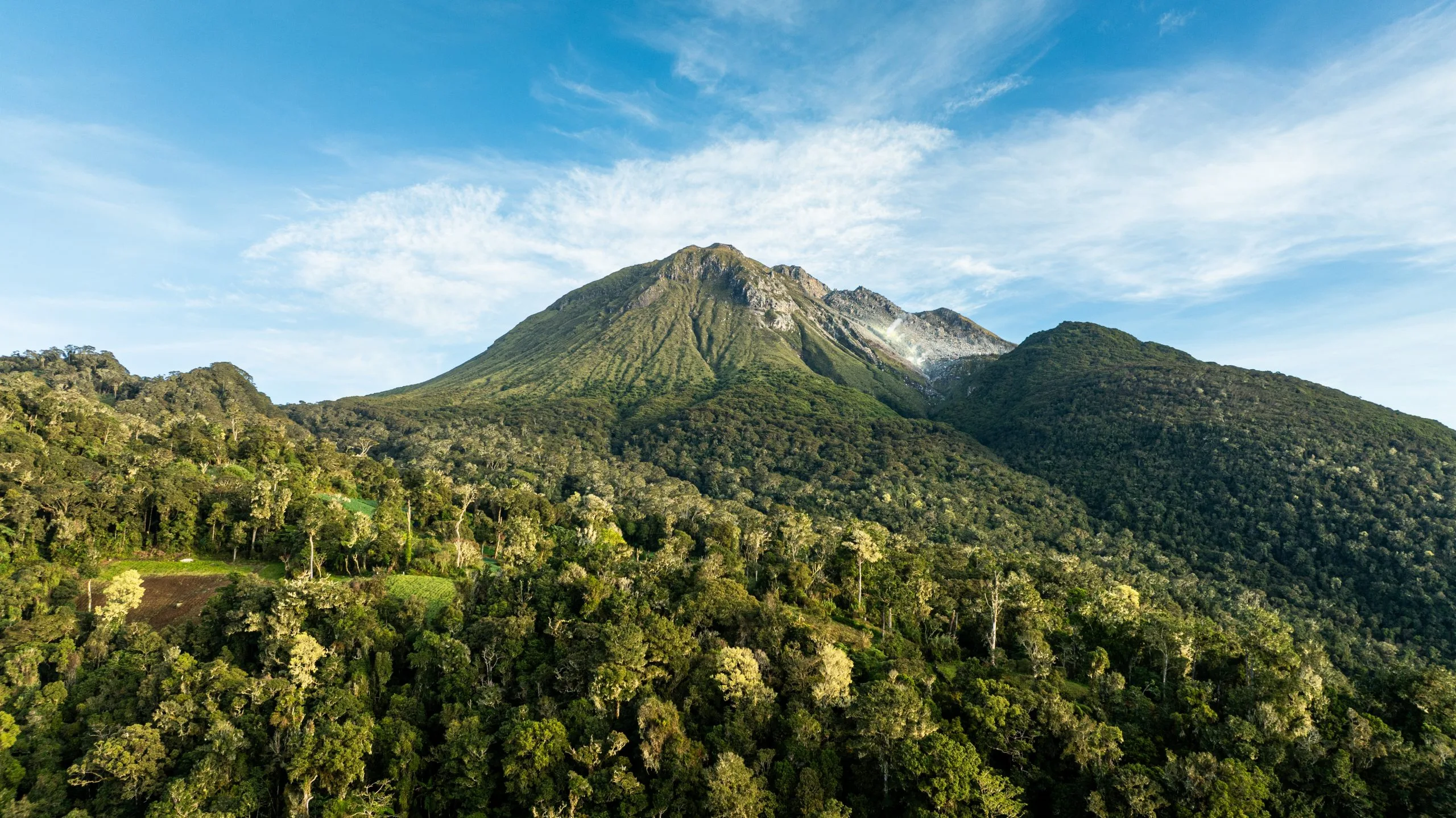
The importance of protecting Klaja Karst is also closely connected to the city's water security. According to DOST-PCAARRD, the approximately 14,274-hectare watershed supplies domestic water to nearly 45 percent of General Santos City's population, making the condition of its natural environment a matter of public importance. The research initiative identifies deforestation, agricultural expansion, and land conversion as threats that can affect forest habitats and long-term water resources. Its planned conservation framework and educational materials are intended to help guide appropriate management strategies and improve public understanding of the watershed. By connecting biodiversity research with practical land management, Klaja Karst conservation can contribute to protecting both the area's natural heritage and the resources that communities depend on.