


Understanding What Families Need to Move Forward
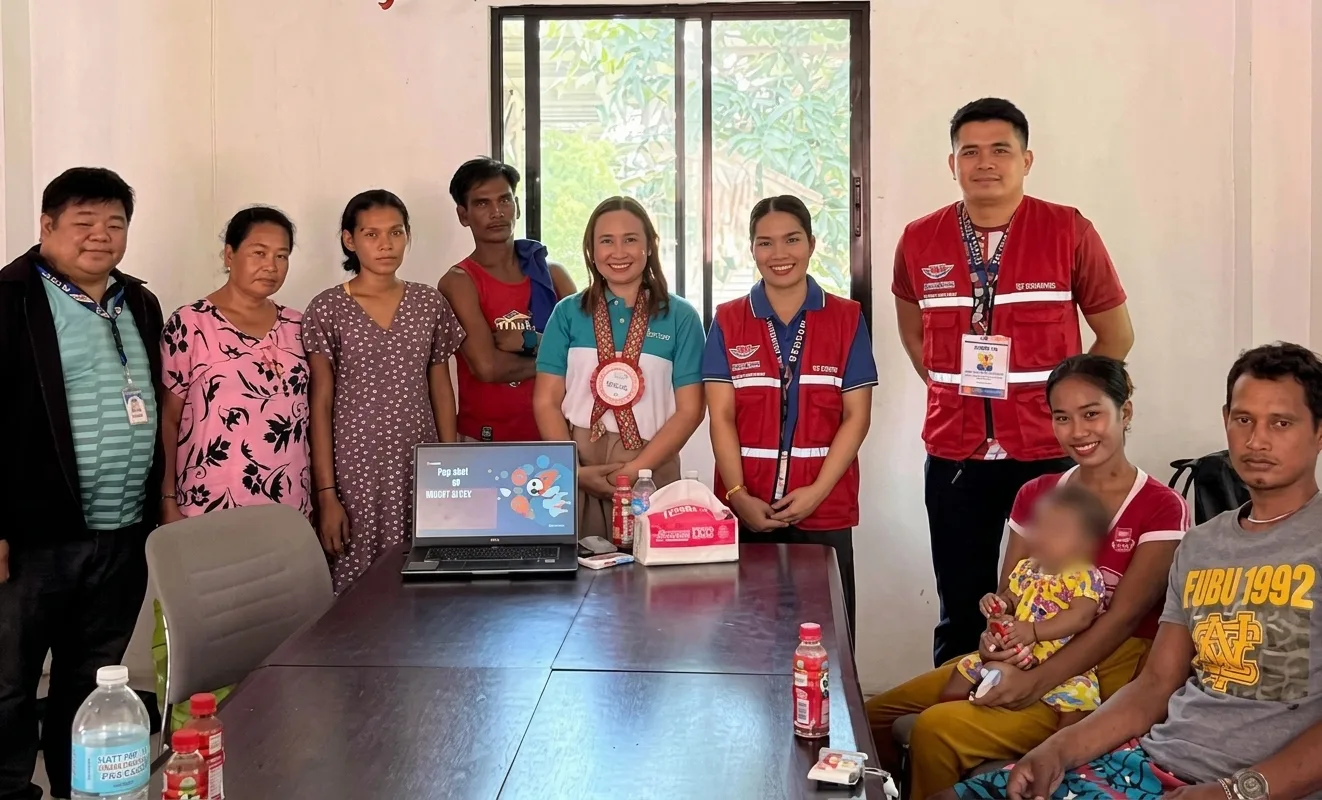
GENERAL SANTOS CITY- The Pag-abot team conducted coordination activities in Maasim to support the planned reintegration of 11 Sama-Bajau beneficiaries living in Barangay Kamanga. The program's approach involves identifying individual circumstances and connecting beneficiaries with services suited to their needs. Rather than treating assistance as a one-time intervention, reintegration efforts consider how people can access support within their communities. Coordination with local offices is important because available services and practical opportunities differ from one location to another. The initiative reflects the role of social welfare programs in helping vulnerable families work toward greater stability.
Exploring Livelihoods Connected to Local Skills
Livelihood planning was one of the main elements of the reported coordination activities. DSWD representatives met with the Office of the Municipal Agriculturist and the Bureau of Fisheries and Aquatic Resources to explore possible opportunities involving boats, fishing-related activities, and dried-fish production. These options were considered in relation to the beneficiaries' skills and the resources available in their surroundings. The team also discussed a possible usufruct agreement with a landowner to explore access to space for livelihood activities. Such arrangements require appropriate assessment and agreement, but they can help identify practical ways for families to pursue income-generating work.
Why Coordination Matters After Reintegration
Support does not end simply because a person or family returns to a community; suitable services and opportunities are also needed to help make that transition sustainable. DSWD's Pag-abot Program works with local government offices and partner agencies to connect beneficiaries with relevant assistance and longer-term support. The program's wider framework includes social welfare interventions and coordinated services for vulnerable individuals and families in street situations. In the Maasim activity, discussions with agriculture and fisheries offices reflected an effort to consider livelihood possibilities grounded in local conditions. For the Sama-Bajau beneficiaries, the next steps will depend on the assessment and implementation of appropriate support arrangements.
