
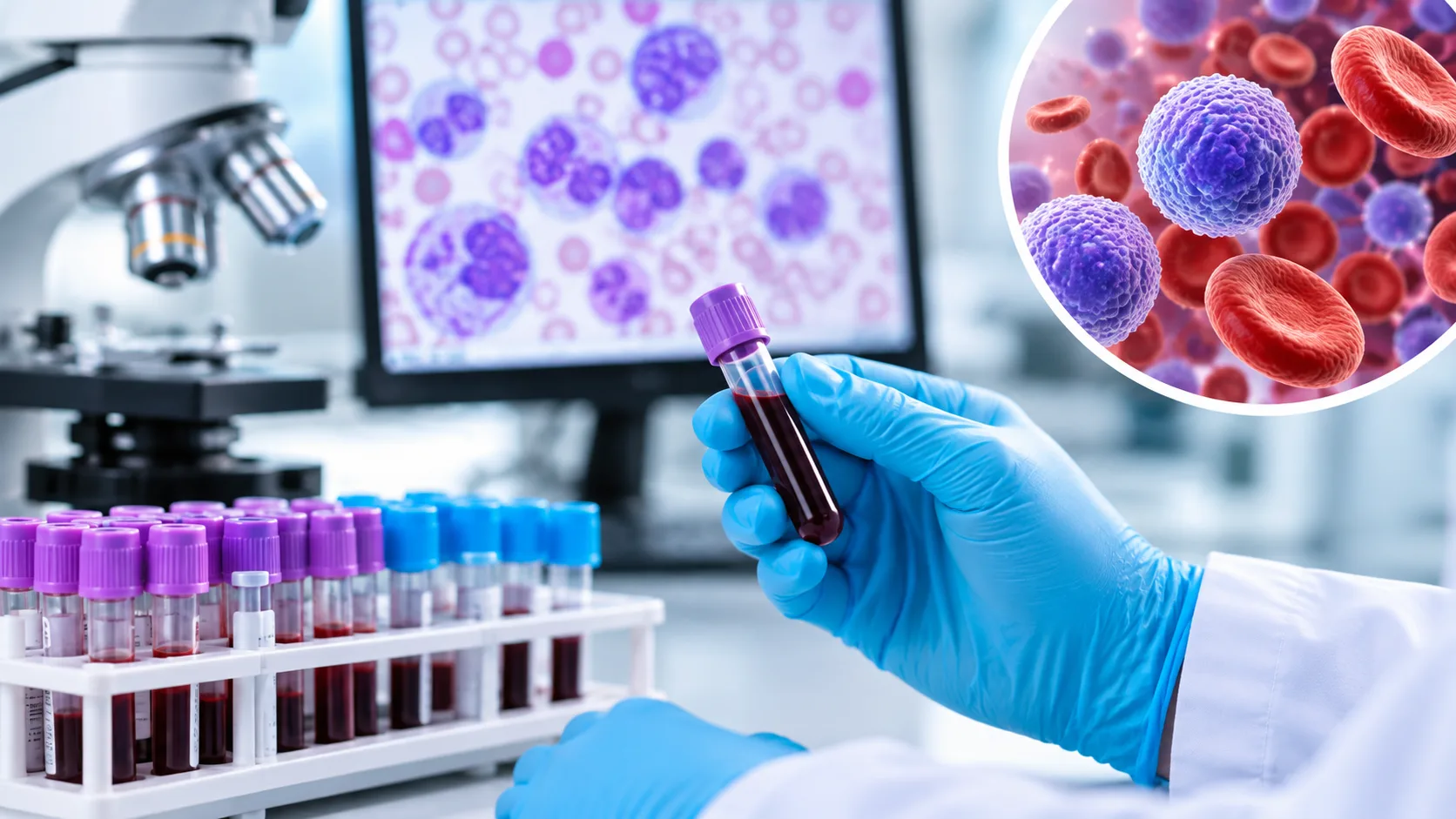
St. Luke’s Medical Center is highlighting its specialized leukemia panel tests to help improve the diagnosis and treatment planning of patients with blood cancer. Through comprehensive genomic analysis and expert evaluation by hematopathologists, the medical center aims to provide a clearer understanding of the characteristics of different types of leukemia. Its diagnostic services include testing designed to classify acute and chronic leukemias and detect minimal residual disease. These specialized examinations can help doctors develop more personalized treatment plans based on a patient's diagnostic results.
Advanced Testing Helps Identify Leukemia Characteristics
St. Luke’s Comprehensive Leukemia Panel provides detailed analysis to help classify acute and chronic leukemia. The testing examines important characteristics of blood cancer, allowing hematopathologists to evaluate findings that may guide the patient's care. By providing more comprehensive diagnostic information, the service supports doctors in understanding the disease and determining appropriate treatment approaches.
Minimal Residual Disease Testing Supports Treatment Monitoring
The medical center also offers Minimal Residual Disease (MRD) Panel testing, which is designed to detect small amounts of remaining leukemia following treatment. According to St. Luke’s, this testing provides sensitive detection that can help physicians assess the patient's response to treatment. The results may offer valuable information when evaluating the next steps in a personalized care plan.
Specialized Blood Cancer Services at St. Luke’s Global City
Through its Blood Cancer Care Service, St. Luke’s continues to highlight the importance of specialized diagnostic expertise in managing leukemia. The medical center encourages patients to consult with its healthcare professionals to learn more about available testing and treatment options.