Knowing the Rules Before a Disagreement Escalates
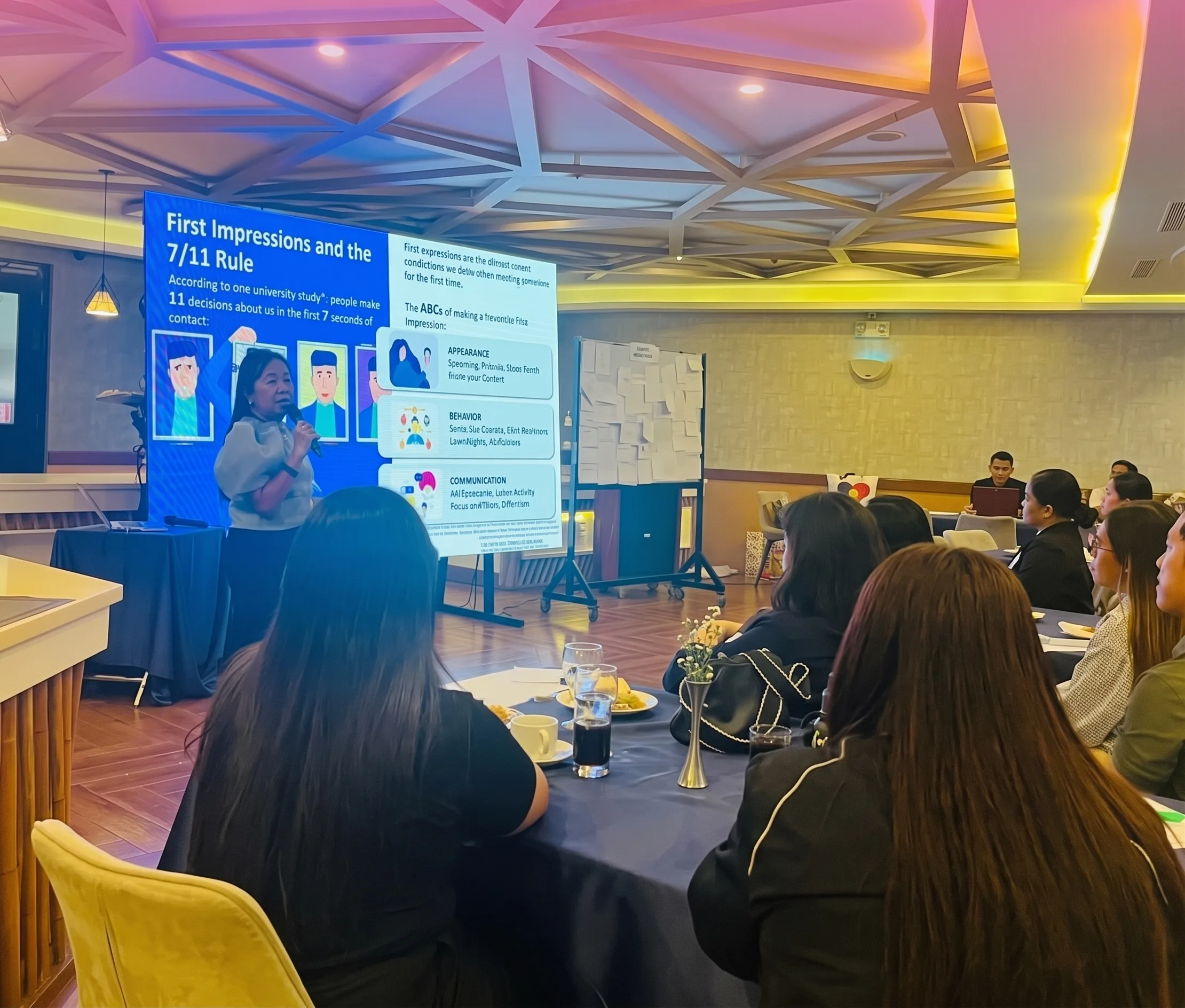
GENERAL SANTOS CITY- Disagreements involving housing, property arrangements, and human settlements can become difficult when the people involved do not know which procedures apply to their situation. Clear information gives residents a better starting point for understanding their options and identifying the appropriate process for raising a concern. During its October 3 caravan, HSAC-RAB 12 discussed its adjudication procedures and the rights and responsibilities of people involved in housing-related cases. This type of public education can help individuals approach disputes with greater awareness instead of relying solely on assumptions or hearsay. For communities in General Santos City, understanding the rules is a practical step toward handling disagreements more responsibly.
Fairness Requires Responsibility From Everyone
Fair treatment depends on more than knowing where to file a complaint; it also requires people to respect procedures, communicate honestly, and recognize that others have rights, too. Residents can contribute to a healthier community by checking information before sharing it, keeping relevant records, and allowing disputes to be addressed through appropriate channels. Public education on adjudication can support these habits by clarifying how formal dispute-resolution processes work. It does not guarantee that every disagreement will be settled quickly or that every party will be satisfied, but it can help people make better-informed decisions. When fairness is treated as a shared responsibility, disagreements have a clearer path toward orderly resolution.
Community Support Goes Beyond Donations
Volunteerism is often associated with collecting goods, organizing outreach activities, or helping families in need, but community support can also involve sharing reliable information and directing people toward appropriate services. Residents, civic groups, and community organizations can help by circulating verified public information without promising outcomes or giving misleading advice about legal procedures. Activities such as the HSAC-RAB 12 information caravan provide a concrete example of public education intended to improve awareness of rights and responsibilities. For General Santos City, the broader lesson is that ethical participation means helping others access information while respecting the limits of one’s own knowledge. Small, responsible actions can make community assistance more useful, particularly when people are navigating unfamiliar procedures.