


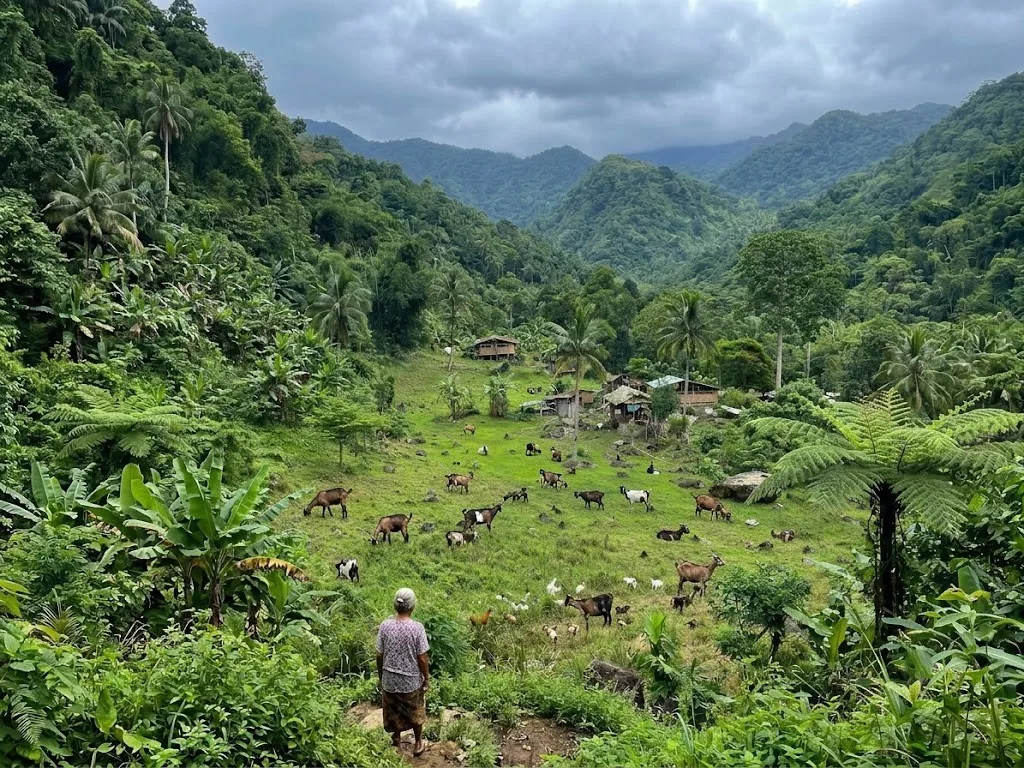
Negros Oriental is recognized not only for its scenic landscapes and coastal attractions but also for its strong agricultural traditions that continue to support rural communities. Livestock farming remains an important source of livelihood throughout the province, with goat farming playing a significant role in food production, small-scale entrepreneurship, and sustainable agriculture. Through generations of farming knowledge and responsible animal husbandry, goat farming has become an important component of rural life while offering opportunities for agricultural tourism and educational experiences. As interest in authentic countryside activities continues to grow, goat farming traditions contribute to the promotion of rural livelihood tourism in Negros Oriental.
Understanding Goat Farming Traditions
Goat farming has long been practiced in rural communities because goats are adaptable animals that thrive under various environmental conditions. Farmers raise goats for meat, milk, breeding, and other agricultural purposes while applying traditional knowledge in feeding, breeding, housing, and herd management. These farming practices have been refined over generations and continue to support the livelihoods of many farming families throughout the province.
Promoting Rural Livelihood Tourism
Rural livelihood tourism provides visitors with opportunities to experience agricultural life while learning about traditional farming practices. Goat farms offer educational tours where guests can observe daily farm activities, understand livestock management, and appreciate the role of agriculture in supporting rural communities. These experiences allow visitors to connect more closely with local culture and sustainable farming practices.
Supporting Sustainable Agriculture
Goat farming contributes to sustainable agricultural systems through efficient land use and responsible resource management. Goats require relatively modest inputs compared to larger livestock, making them suitable for small-scale farms. Their ability to graze on natural vegetation supports environmentally responsible farming while helping rural communities maximize available agricultural resources.
