


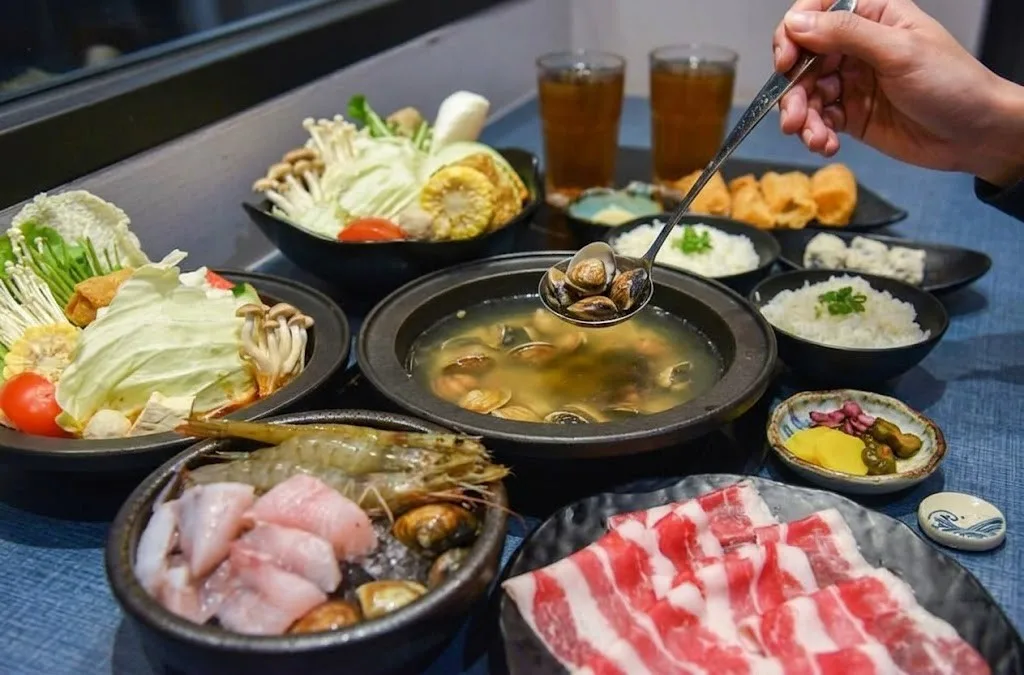
Bonifacio Global City (BGC) has emerged as one of Metro Manila's leading culinary destinations, offering a diverse selection of international cuisines that reflect the district's cosmopolitan character. Among its growing gastronomic attractions are Taiwanese hot pot restaurants, which introduce diners to an interactive and communal style of eating centered on fresh ingredients, flavorful broths, and shared experiences. More than simply providing a meal, Taiwanese hot pot dining emphasizes hospitality, togetherness, and cultural tradition. Through these immersive culinary experiences, Taiwanese hot pot establishments contribute to the growth of communal dining culture in Bonifacio Global City.
Understanding Taiwanese Hot Pot Traditions
Taiwanese hot pot is a dining tradition in which a simmering pot of richly flavored broth is placed at the center of the table while diners cook a variety of fresh ingredients according to their personal preferences. Meats, seafood, vegetables, mushrooms, tofu, noodles, and handmade dumplings are gradually added to the broth, creating a meal that evolves throughout the dining experience. This interactive approach transforms dining into a shared activity where everyone participates in preparing and enjoying the food together.
Preserving Taiwanese Culinary Heritage
Hot pot has long been an important part of Taiwanese food culture, reflecting values of family, generosity, and hospitality. Traditional broths, carefully selected ingredients, and customizable dipping sauces showcase the diversity and richness of Taiwanese cuisine. Restaurants in Bonifacio Global City preserve these culinary traditions by introducing authentic cooking methods and regional flavors while allowing guests to experience the social customs associated with Taiwanese dining.
Promoting Communal Dining Experiences
Unlike conventional restaurant meals where dishes are served individually, Taiwanese hot pot encourages guests to cook, share, and dine together around a common table. This communal style naturally promotes conversation, cooperation, and interaction among family members, friends, colleagues, and visitors. The shared preparation of food strengthens relationships and creates memorable dining experiences that extend beyond the meal itself.
