


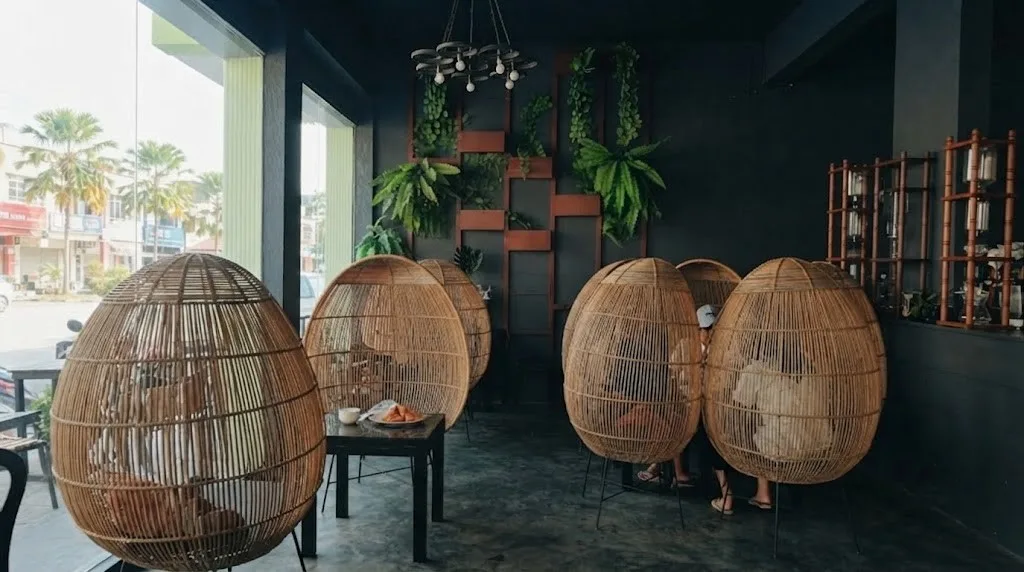
The New Meaning of "Let's Grab Coffee"
BACOLOD - In many cities, "Let's grab coffee" has become a phrase that means something much larger than coffee itself. It might mean a first meeting between colleagues who have never worked together before. It could be an afternoon catch-up between friends who have not seen each other in months. For students, it may mean finding a table where assignments can finally be finished. For someone traveling alone, it can mean having a comfortable place to sit without feeling out of place. Bacolod's cafés have become part of this everyday vocabulary. The appeal is partly practical. Coffee shops offer something that homes and offices cannot always provide: a neutral environment. You can arrive alone, meet someone there, work quietly, or simply watch the world outside the window. That flexibility has helped cafés become increasingly important to urban life. The coffee itself remains central, of course. But the experience surrounding it matters just as much. A cup of brewed coffee can be consumed in minutes. The atmosphere of a café can keep someone there for hours. That difference explains why the café has evolved into one of the most versatile spaces in the modern city.
From Traditional Merienda to Specialty Coffee
Bacolod's relationship with coffee did not begin with the arrival of modern specialty cafés.
Coffee has long been part of Filipino hospitality. It appears after family meals, during conversations with guests, and alongside afternoon snacks. In many households, serving coffee is less about caffeine than it is about welcoming someone to stay a little longer. The newer café culture has built upon that familiar tradition while introducing new ways of enjoying the drink. Visitors may now encounter different brewing methods, locally sourced beans, espresso-based beverages, cold brews, and carefully designed food pairings. Some cafés emphasize the craft of preparation, while others focus more heavily on atmosphere and design. Still others combine coffee with pastries, desserts, brunch menus, or Filipino-inspired dishes. The result is a café scene that does not fit neatly into one category. One establishment may feel like a quiet reading room. Another may resemble a lively neighborhood restaurant. A third might attract people because of its interiors, while another earns loyal customers because the baristas remember their usual order. That variety is part of what makes exploring Bacolod's café culture interesting. You can spend one morning looking for a serious cup of coffee and another afternoon simply searching for a comfortable place to talk. The two experiences do not have to be the same.
The Café as a Modern Living Room
Perhaps the most interesting transformation is the way cafés have become extensions of people's everyday lives. The traditional living room was where families gathered. The office was where people worked. The restaurant was where people ate. Today, the café can be all three—at least temporarily. A student can study for several hours. A freelancer can finish a project. A group of friends can celebrate a birthday. A traveler can plan the next day's itinerary. Someone waiting for an appointment can settle into a corner with a book. The café's greatest strength is its flexibility. It accommodates people who want company and people who want solitude. That may explain why cafés have become especially important to younger generations, remote workers, and people whose schedules do not fit neatly into traditional nine-to-five routines. A café provides a sense of being around people without requiring constant interaction. You are alone, but you are not isolated. For travelers, this can be particularly appealing. After spending hours visiting attractions or walking through busy commercial districts, a café provides a natural pause. It allows visitors to slow down and observe the city from a different perspective. Instead of rushing to the next attraction, they can sit by a window and watch Bacolod move. That is a different kind of sightseeing.
