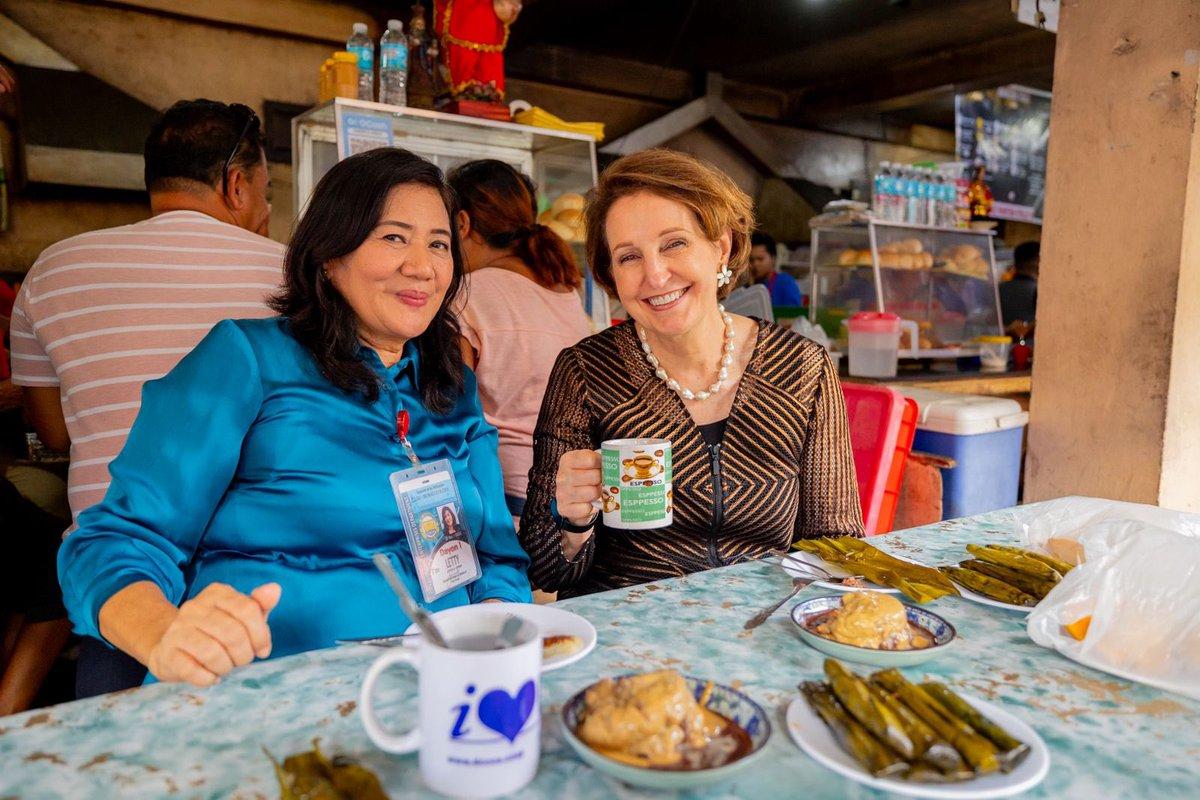
Dumaguete City is widely known for its warm hospitality, rich cultural heritage, and diverse culinary scene. Beyond its natural attractions and historical landmarks, the city has become a destination for travelers seeking authentic food experiences. The development of food tours has provided visitors with an opportunity to explore Dumaguete through its local delicacies, traditional recipes, specialty cafés, seafood restaurants, and family-owned eateries. These guided culinary experiences allow tourists to appreciate not only the flavors of the city but also the stories, traditions, and people behind its cuisine.
Promoting Culinary Tourism
Food tours have become an important component of culinary tourism by encouraging visitors to experience a destination through its unique food culture. In Dumaguete, these tours introduce travelers to local specialties such as fresh seafood, grilled dishes, traditional Filipino meals, native delicacies, and locally brewed coffee. By visiting different restaurants, cafés, bakeries, and food establishments, tourists gain a deeper understanding of the city's culinary identity while supporting local businesses.
Preserving Local Food Traditions
One of the greatest contributions of food tours is their role in preserving traditional cooking methods and regional recipes. Many local restaurants continue to prepare dishes using ingredients sourced from nearby farms and coastal communities, reflecting the province's agricultural and marine resources. Food tours encourage visitors to appreciate these authentic flavors while helping preserve culinary traditions that have been passed down through generations.
Supporting Local Businesses and Entrepreneurs
The growing popularity of food tours benefits restaurants, cafés, street food vendors, local markets, and small food enterprises throughout Dumaguete. Increased tourist spending creates employment opportunities and strengthens the local economy by encouraging entrepreneurship within the hospitality and food industries. Farmers, fishermen, bakers, and food producers also benefit as demand for locally sourced ingredients continues to grow.