


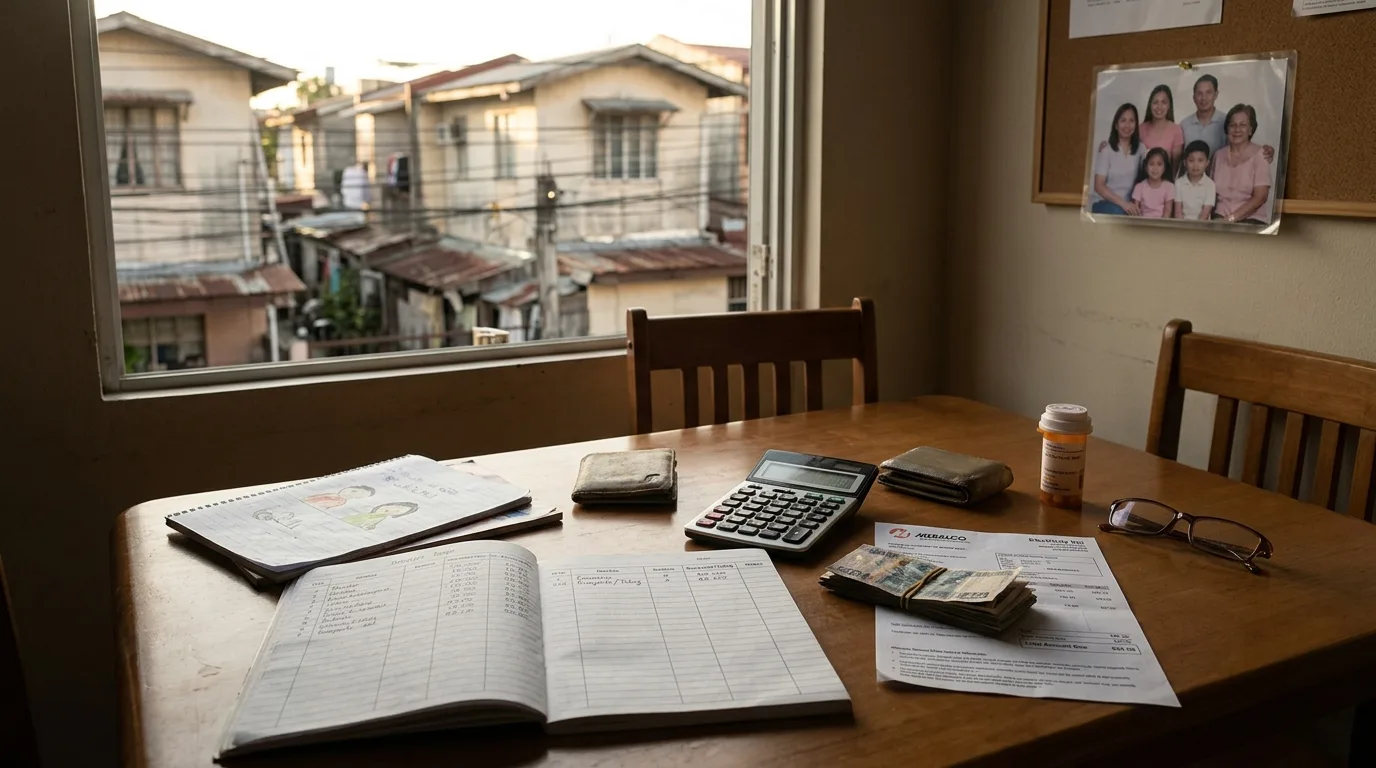
Despite a growing national economy, a staggering 68 percent of middle-class Filipinos report persistent financial anxiety, according to the FWD Philippines "Filipino Financial Confidence Report 2026." While macro-level indicators suggest stabilization, the lived reality for many households is a constant balancing act between rising costs and the need to protect their families' futures. This sense of unease isn’t a temporary setback; it is a deep-seated, long-term condition fueled by the pressure to provide for multi-generational needs while navigating an increasingly expensive economic landscape. The data highlights a critical gap where immediate survival—covering day-to-day expenses—consistently outweighs the ability to save, invest, or secure adequate insurance.
The Burden of Inflation and Family Responsibilities
Inflation remains the single largest source of pressure, with 74 percent of respondents citing rising living costs as their primary financial challenge. For the modern Filipino household, this stress is compounded by the "sandwich generation" phenomenon, where individuals find themselves financially responsible for both their children and their aging parents. This multi-generational support mandate creates a tight financial bottleneck, making it nearly impossible for many to build the emergency funds required to weather sudden life events. Consequently, essential long-term priorities such as retirement planning and insurance coverage are frequently delayed, leaving families vulnerable to a single medical emergency or job loss.
Generational Challenges and the Resilience Gap
Financial strain is felt uniquely across different age groups, each facing its own set of hurdles in the current economy. Millennials, for instance, are particularly squeezed, with over 90 percent providing financial support to parents while simultaneously raising their own children. Meanwhile, Gen Z is grappling with high levels of work-related stress and a sense that traditional financial products are either too expensive or overly complex to navigate effectively. Even Gen X, who are nearing retirement, are facing a crisis of confidence; the vast majority fear that inflation and healthcare costs will erode their life savings, leaving them without a sufficient safety net for their twilight years.
