


CLARK FREEPORT ZONE, PAMPANGA — In the modern theater of global trade, efficiency is no longer the sole metric of a successful supply chain; resilience is the new gold standard. Recent global disruptions, sudden trade wars, and shifting geopolitical alliances have taught multinational conglomerates a harsh lesson: relying on a single, centralized manufacturing hub is a massive structural vulnerability. Today, the world's leading industrial economies are aggressively seeking new, secure terrain to diversify their operations.
A Geopolitical Chess Match for Supply Chain Resilience
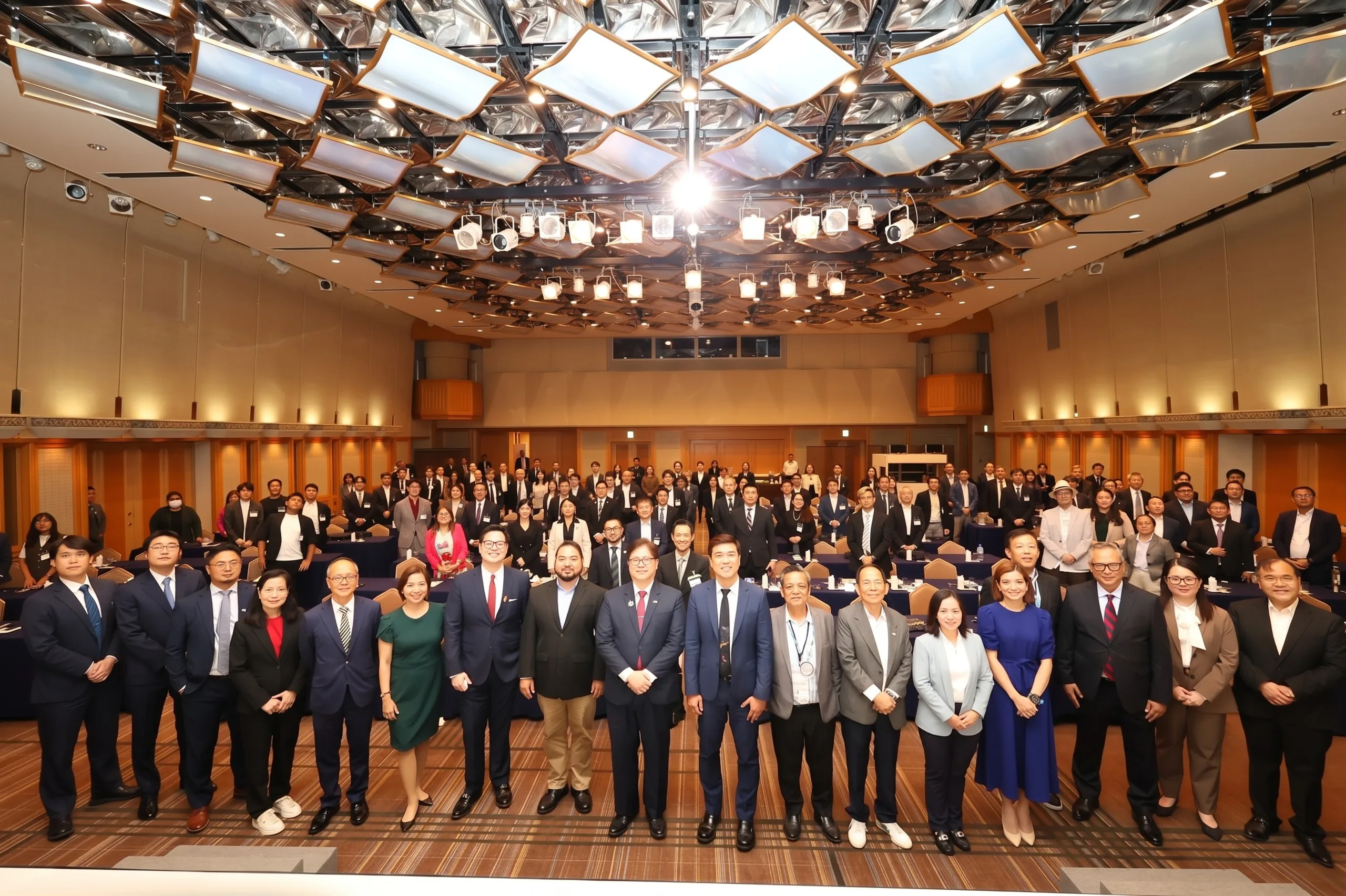
The search for stability drove the high-profile Philippine trade mission to Osaka and Tokyo, where the Luzon International Premier Airport Development Corporation took center stage alongside the Bases Conversion and Development Authority and the DTI-Philippine Trade and Investment Center. The delegation presented a sophisticated vision for the newly minted Luzon Economic Corridor to more than 220 Japanese industry leaders and business representatives, positioning the Subic-Clark-Batangas economic belt as a seamless, hyper-connected industrial powerhouse backed by the United States and Japan . The Luzon Economic Corridor has drawn wider international support since its 2024 launch, with Australia, Canada, Denmark, France, Italy, South Korea, Sweden, and the United Kingdom joining as partner countries . This growing coalition reflects confidence in the Philippines as a reliable partner and an attractive destination for long-term investment, as emphasized by President Ferdinand R. Marcos Jr. during the 2026 Luzon Economic Corridor Investment Forum.
The Clark AeroDistrict as a Self-Sustaining Economic Ecosystem
Representing this vision in Japan, LIPAD Corp Vice President for Commercial Development Eva Gabor-Tejada showcased how the upcoming airport city is being built far beyond the traditional boundaries of a standard runway. The Clark AeroDistrict is an intricately planned "aerotropolis"—a self-sustaining economic ecosystem that merges aviation, commercial business, high-end commerce, advanced logistics, and seamless urban mobility into a single, integrated perimeter. For Japanese industrial giants dominating the semiconductor, automotive component, and high-tech electronics sectors, this setup offers an incredibly lucrative platform where raw components can land on the CRK tarmac, move directly into specialized assembly lines, and be flown back out to global markets within hours. This seamless connectivity is already attracting major global players, with Lufthansa Technik establishing a 157,000-square-meter aircraft maintenance facility expected to generate approximately 1,200 high-skill jobs, and Japan's Jamco Corporation investing PHP 600 million to expand its aerospace manufacturing operations and increase its workforce from 450 to 1,400 personnel . The approved investments secured by BCDA surged more than sixfold to PHP 49.96 billion in the first half of 2026 alone, with the aviation sector accounting for nearly 68% of total approved investments, underscoring Clark's growing role as a regional aviation, aerospace, and logistics hub.
