


The Menu Comes Before the Market
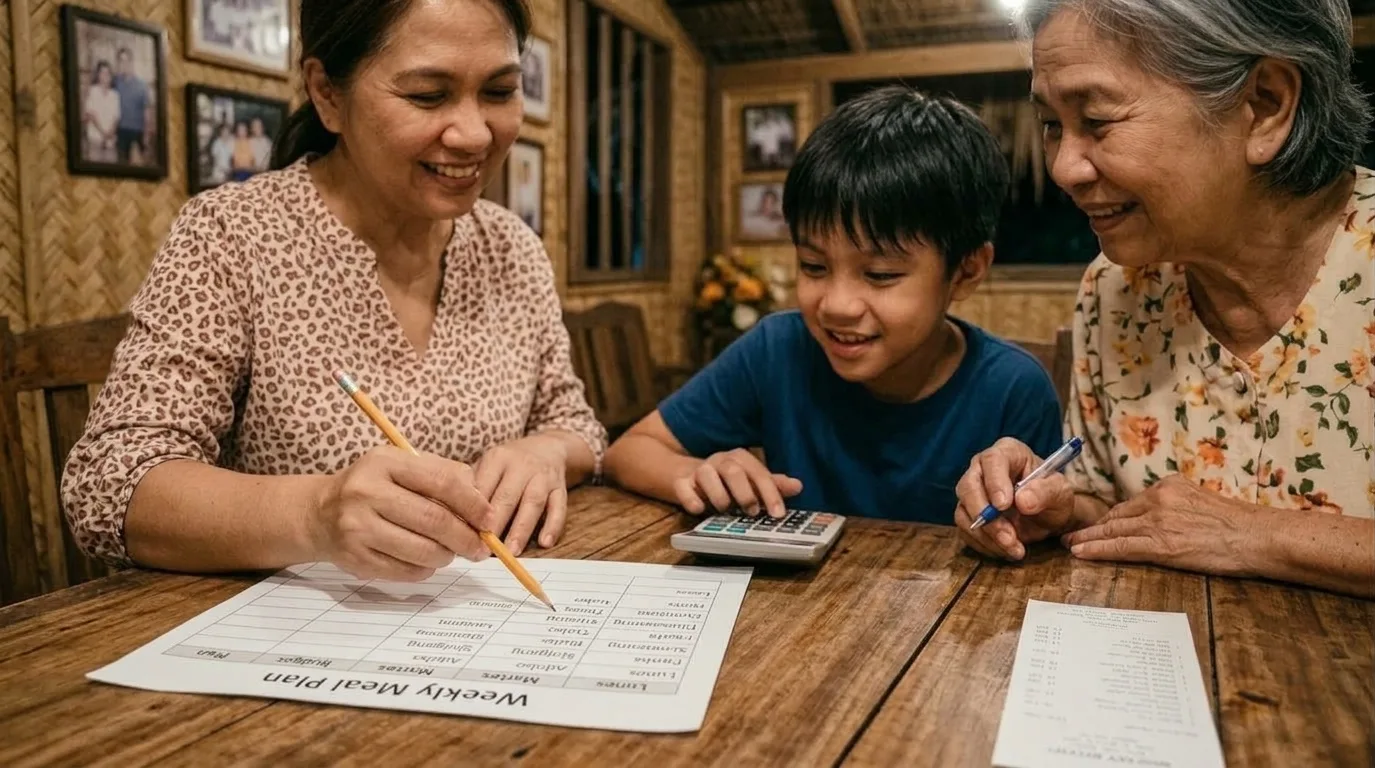
OZAMIZ CITY- The biggest change begins before shoppers leave home: deciding what the family will actually eat. A household that plans several meals in advance can list the ingredients needed for each dish, check its pantry, and remove items it already has. This simple routine helps prevent duplicate purchases and makes it easier to distinguish necessities from impulse buys. For families in Ozamiz, the menu can also remain flexible enough to accommodate affordable vegetables, fish, meat, or other ingredients available at the market. Instead of letting the shopping trip determine the week's meals, the family enters the market with a plan and adjusts only when there is a good reason.
Every Item Has a Job in the Budget
Meal planning changes the way shoppers judge value because the price of an ingredient is only part of the decision. Buyers can compare package sizes, consider how many meals an item will cover, and choose ingredients that can be used in more than one dish. For example, vegetables purchased for one recipe might also become part of a soup or another meal, provided they remain fresh and suitable for use. The approach is relevant amid national food-price pressures: the Philippine Statistics Authority's second-quarter 2026 data show that food and non-alcoholic beverages remained the largest component of household final consumption expenditure. That national figure does not measure Ozamiz residents' individual spending habits, but it illustrates why planning food purchases deserves attention in household budgeting.
A Better Shopping Routine Starts at Home
A useful meal plan does not need to be complicated or follow a strict seven-day schedule. Families can begin by planning the next three days, checking what needs to be consumed first, and leaving room for changes in schedules or food availability. Keeping a short record of frequently wasted ingredients and commonly purchased staples can help improve the next shopping list. Over time, these habits may make grocery trips more organized and help households avoid paying for food they are unlikely to use. For Ozamiz families, the goal is not to eliminate spontaneous meals altogether, but to make everyday food choices with a clearer idea of what the household needs and can afford.
