Cagayan de Oro is currently basking in the peak of its summer culinary season, where the sweltering May heat is met with the bold, unapologetic flavors of Northern Mindanao’s heritage cooking. As of May 3, 2026, the city’s dining landscape is undergoing a "cultural revival," with local chefs and market vendors prioritizing ancestral recipes to cater to a new generation of "food pilgrims." This movement is best experienced not in sterile malls, but in the historic stalls of the Cogon Market and the specialized heritage restaurants that line the city’s ancestral streets. For those exploring the city this week, the menu offers a profound look at how Maranao influences, Spanish-era braising techniques, and indigenous spices have melded into a singular, golden identity.
The Market Legend of Siosio’s Humba
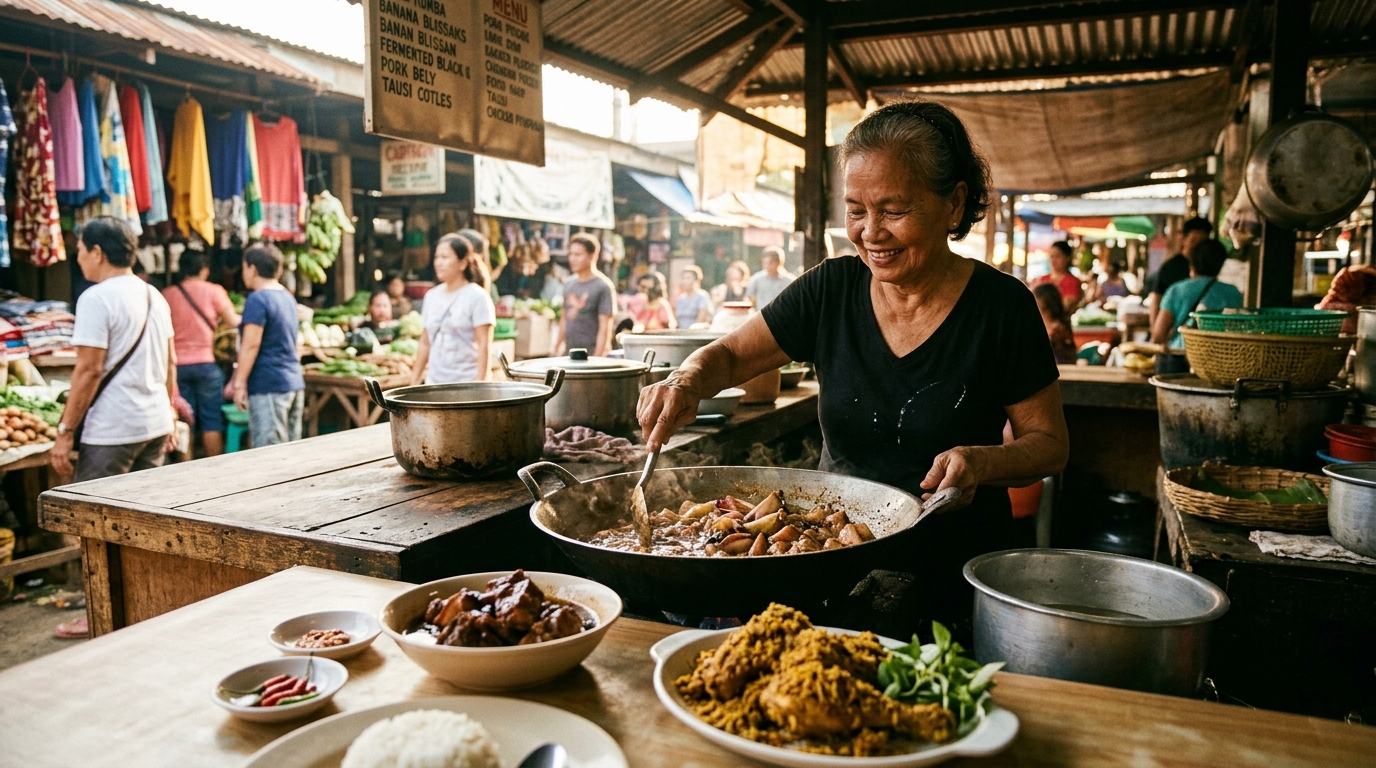
Deep within the labyrinthine aisles of the Cogon Market lies a culinary landmark that has outlasted decades of urban change: Humbaan ni Siosio. This stall remains the definitive destination for authentic Humba, a sweet and savory braised pork dish that is often considered the soulful local cousin of the Spanish-style pata tim. The secret to this heritage dish lies in the slow-reduction of pork fat with fermented black beans (tausi), brown sugar, and banana blossoms, resulting in meat so tender it practically melts upon contact. In early May, as the city prepares for various community gatherings, a visit to Siosio’s is a mandatory pilgrimage for anyone seeking the honest, unpretentious flavors that have defined Kagay-anon home cooking for generations.
Bridging Cultures with Chicken Piyaparan
Cagayan de Oro’s unique position as a gateway to Lanao has allowed Maranao culinary traditions to weave themselves into the city’s gastronomic fabric, most notably through the celebrated Chicken Piyaparan. This heritage dish is a sensory marvel, featuring chicken pieces tossed in a dry, savory mixture of palapa (roasted coconut), turmeric, and sakorab (a native scallion found only in the region). Heritage-focused establishments like Cucina Higala have brought this once-secluded regional specialty to the forefront of the city’s fine-dining scene, offering it as a symbol of the cross-cultural "friendship" the city is named after. The dish’s intricate balance of smoky coconut and sharp spice serves as a vibrant reminder of the rich Islamic influence that continues to shape the flavors of Northern Mindanao.
The Spicy Resilience of Halang-Halang
As the summer heat intensifies this week, the spicy kick of Halang-Halang remains a favorite for locals looking to stimulate the appetite. This dish, whose name literally translates to "spicy-spicy," is a creamy chicken stew simmered in rich coconut milk and infused with an aggressive amount of bird's eye chilies and ginger. While it is a staple across Misamis Oriental, the CDO version is known for its balance of silkiness from the coconut cream and the sharp, clean heat that lingers on the palate. Whether served in a humble roadside carinderia or as a refined specialty in the city's upscale districts, Halang-Halang exemplifies the Kagay-anon’s love for bold, high-energy food that mirrors the adventurous spirit of the city itself.