A Sweet Tradition With Cultural Connections
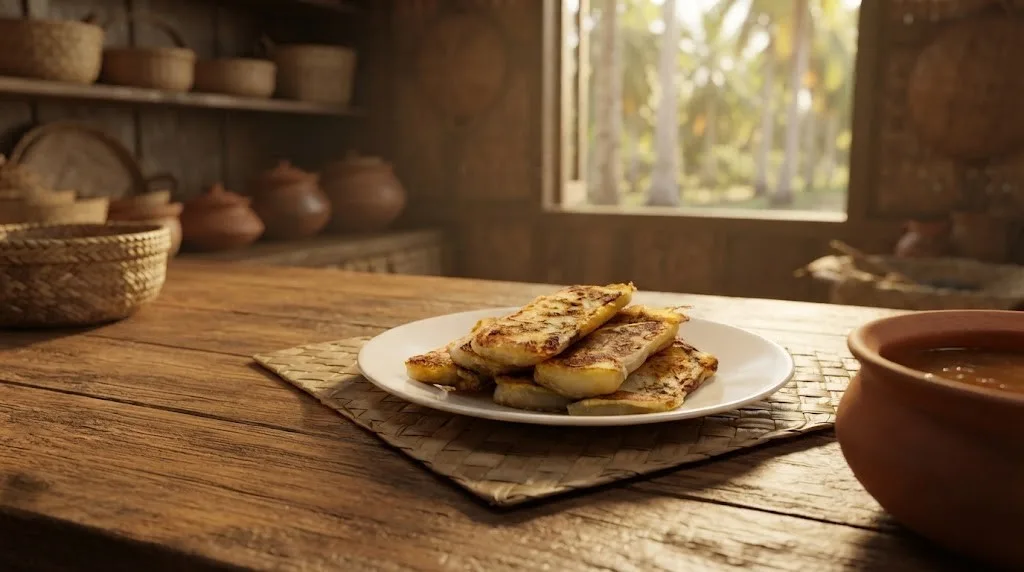
LEYTE - Tikoy is known for its soft, sticky texture and mild sweetness, making it a favorite among those who enjoy traditional rice-based desserts. Its preparation highlights the importance of glutinous rice, an ingredient that appears in many Filipino delicacies. In Leyte, the presence of similar food traditions reflects how communities adapt and embrace different culinary influences. The delicacy also represents the way food travels between cultures. Recipes are often shared, modified, and incorporated into local celebrations, creating versions that feel familiar within different communities. This exchange of flavors contributes to the richness of Filipino cuisine.
A Food Tradition That Lives Through Celebrations
Like many Filipino delicacies, tikoy is connected with gatherings and special occasions. Its presence during celebrations shows how food becomes part of cultural experiences. Families often associate these dishes with moments of sharing and togetherness. For travelers, trying traditional sweets provides a deeper understanding of local lifestyles. These foods reveal how communities celebrate, remember traditions, and maintain connections through recipes.
Why Tikoy Adds Something Different to a Leyte Food Adventure
Exploring Leyte’s delicacies is not only about discovering native recipes but also understanding the influences that shaped the province’s cuisine. Tikoy represents the meeting of traditions and flavors that continue to exist today. It offers visitors another layer of appreciation for Filipino food diversity. A simple rice delicacy can tell a bigger story about history, migration, and community connections. Tikoy remains an example of how food preserves cultural memories.