


Lessons Rooted in Farming Traditions
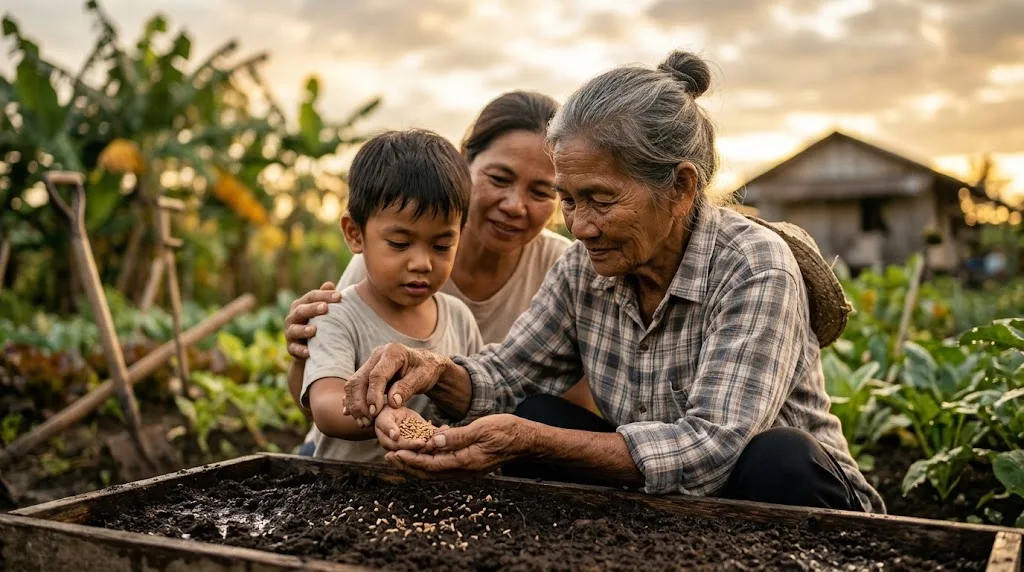
BACOLOD - Agricultural knowledge often begins at home, where children observe parents and grandparents tending crops, caring for livestock, preparing soil, and managing farm activities. Through hands-on experience, younger family members learn practical skills that may not always be found in textbooks, such as recognizing soil conditions, identifying suitable planting periods, and understanding local weather patterns. These everyday lessons preserve valuable farming traditions while giving the next generation a foundation for managing agricultural responsibilities.
Passing Down Skills and Local Wisdom
Experienced farmers carry knowledge shaped by years of working with the land and adapting to changing conditions. They can share techniques for seed selection, natural pest management, water conservation, crop rotation, and maintaining soil quality. This knowledge is particularly useful because farming conditions differ across communities, depending on climate, terrain, and available resources. When younger farmers learn directly from experienced growers, they gain practical insights that can help them make informed decisions and avoid common challenges.
Connecting Traditional Knowledge With Modern Farming
Agriculture continues to evolve through improved equipment, scientific research, digital tools, and climate-smart techniques. Combining these developments with traditional farming knowledge can help communities strengthen their agricultural practices while preserving valuable local experience. Schools, agricultural organizations, training programs, and farmer associations can create opportunities for generations to exchange ideas and learn from one another. By keeping this knowledge alive and adapting it to present-day needs, farming communities can help prepare future generations to sustain food production and rural livelihoods.
