


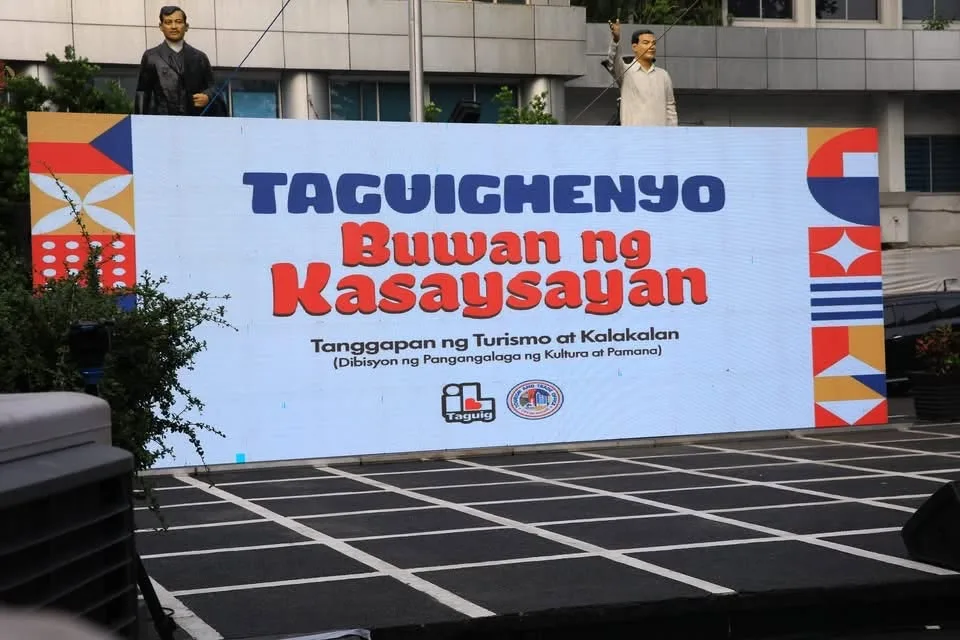
A city's history is more than dates and landmarks—it is shaped by the stories of its people, families, communities, and places. In celebration of National History Month, the City of Taguig highlighted the importance of documenting and preserving its heritage during the August 24, 2026 flag-raising ceremony hosted by the Tourism and Trade Office – Culture and Heritage Preservation Division. The initiative reflects Taguig's continuing efforts to understand its past while strengthening its identity as a city with a rich and evolving cultural heritage.
Documenting the Stories Behind the City
Through cultural mapping, the Culture and Heritage Preservation Division continues to document Taguig's heritage using different historical sources. These include old photographs, historical documents, personal collections, and stories shared by families and communities. Each material provides a glimpse into how Taguig looked, lived, and developed through the years. When collected and documented, these individual memories become part of a larger historical record of the city.
Preserving Community Memories
Families and communities play an important role in heritage preservation because many historical stories exist outside formal archives. Personal photographs, family collections, traditions, and memories can reveal details about places and experiences that may otherwise be forgotten. By documenting these community-based sources, Taguig creates opportunities for future generations to learn about the people and communities that helped shape the city.
Cultural Mapping as a Tourism Tool
Cultural mapping also has an important connection to heritage tourism. Identifying historical places, traditions, stories, and cultural resources can help create a deeper understanding of a destination. For Taguig, documenting its heritage can provide a foundation for future cultural and tourism programs that allow residents and visitors to discover the city's history beyond its modern urban landscape.
