


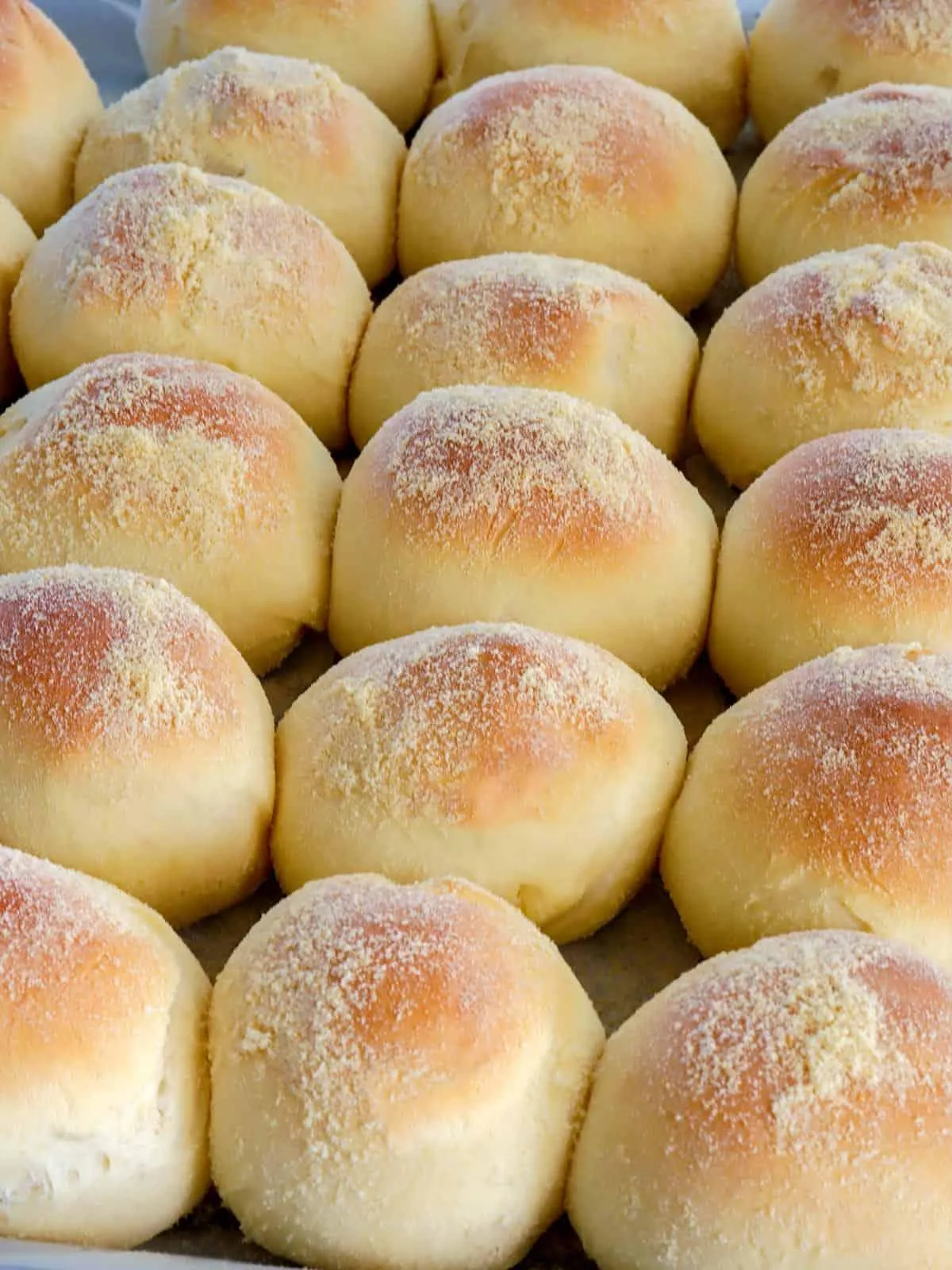
Dumaguete City is widely recognized for its rich cultural heritage, welcoming atmosphere, and vibrant local food scene. Among the everyday culinary traditions that continue to shape the city's identity is the production and consumption of pan de sal, a classic Filipino bread enjoyed by generations of Filipinos. Traditional pan de sal bakeries remain important community institutions, preserving time-honored baking practices while providing visitors with authentic culinary experiences. Through their cultural significance and enduring popularity, these bakeries contribute to the preservation of culinary heritage tourism in Dumaguete City.
Promoting Culinary Heritage Tourism
Culinary heritage tourism focuses on food traditions that reflect a community's history, culture, and way of life. Traditional pan de sal bakeries offer visitors opportunities to experience a familiar yet meaningful aspect of Filipino culture. By showcasing local baking traditions and recipes, these establishments help preserve culinary practices that have been passed down through generations.
Preserving Traditional Baking Practices
Many traditional bakeries continue to utilize baking methods that emphasize craftsmanship, consistency, and quality. Early morning baking routines, time-tested recipes, and locally adapted techniques reflect the dedication of bakers who have maintained these traditions for decades. These practices contribute to the preservation of culinary heritage while highlighting the cultural importance of bread-making within the community.
Enhancing Visitor Experiences
Travelers increasingly seek authentic food experiences that connect them with local culture. Visiting a traditional pan de sal bakery allows tourists to observe daily community life while enjoying freshly baked products. The simple experience of purchasing warm pan de sal from a neighborhood bakery offers visitors a genuine connection to local traditions and everyday customs.
