


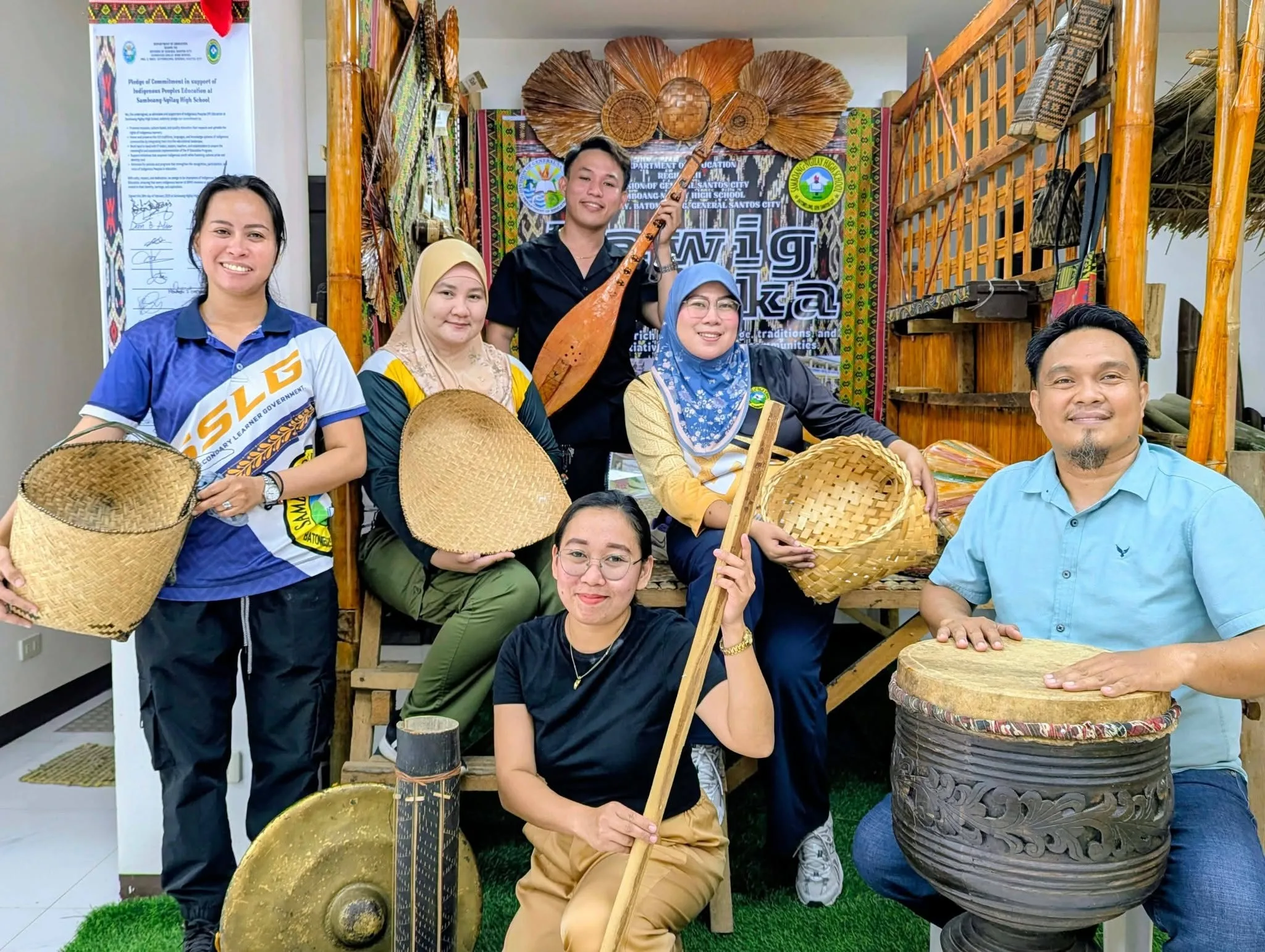
When Culture Becomes Part of the Lesson
GENERAL SANTOS CITY - For Samboang-Ngilay High School, the recognition of Cindy Mae I. Narciso and Danna Mae A. Abdul adds another chapter to the school’s continuing work in education and cultural awareness. Their selection in the national lesson-plan competition places attention on the possibilities that emerge when teachers look beyond conventional classroom materials and draw learning from the heritage found within communities. The NCCA and UNESCO initiative specifically encourages Grade 7 to 12 educators to incorporate living heritage into regular subjects while still meeting curriculum competencies. It also promotes collaboration between teachers, cultural practitioners, heritage bearers, elders, and other community members in developing lessons.
A National Opportunity for Local Knowledge
What makes the competition particularly meaningful is its focus on making living heritage useful in everyday learning rather than treating culture as something discussed only during special occasions. UNESCO describes living heritage education as an approach that can make lessons more contextualized and relevant while helping learners understand the importance of safeguarding cultural practices. The Philippine competition similarly invites teachers to connect traditional knowledge, skills, and practices with different areas of study, creating opportunities for multidisciplinary learning. For educators in General Santos, this approach opens a pathway for community knowledge to become part of conversations about language, science, mathematics, history, identity, and other subjects.
From General Santos to a Wider Educational Conversation
The achievement of Narciso and Abdul also reflects a broader effort to give Philippine living heritage a place in formal education, where young people can encounter culture through meaningful learning experiences. UNESCO’s work on living heritage education emphasizes the role of teachers and communities in helping younger generations understand and continue cultural knowledge and practices. The 2026 Philippine competition selected 10 lesson plans for classroom implementation, with the chosen teachers and schools receiving recognition, mentorship, and support for piloting their work during the school year. Against this national backdrop, Samboang-Ngilay High School’s recognition offers General Santos another reason to celebrate the creativity of its educators and the cultural richness that can inspire their classrooms.
